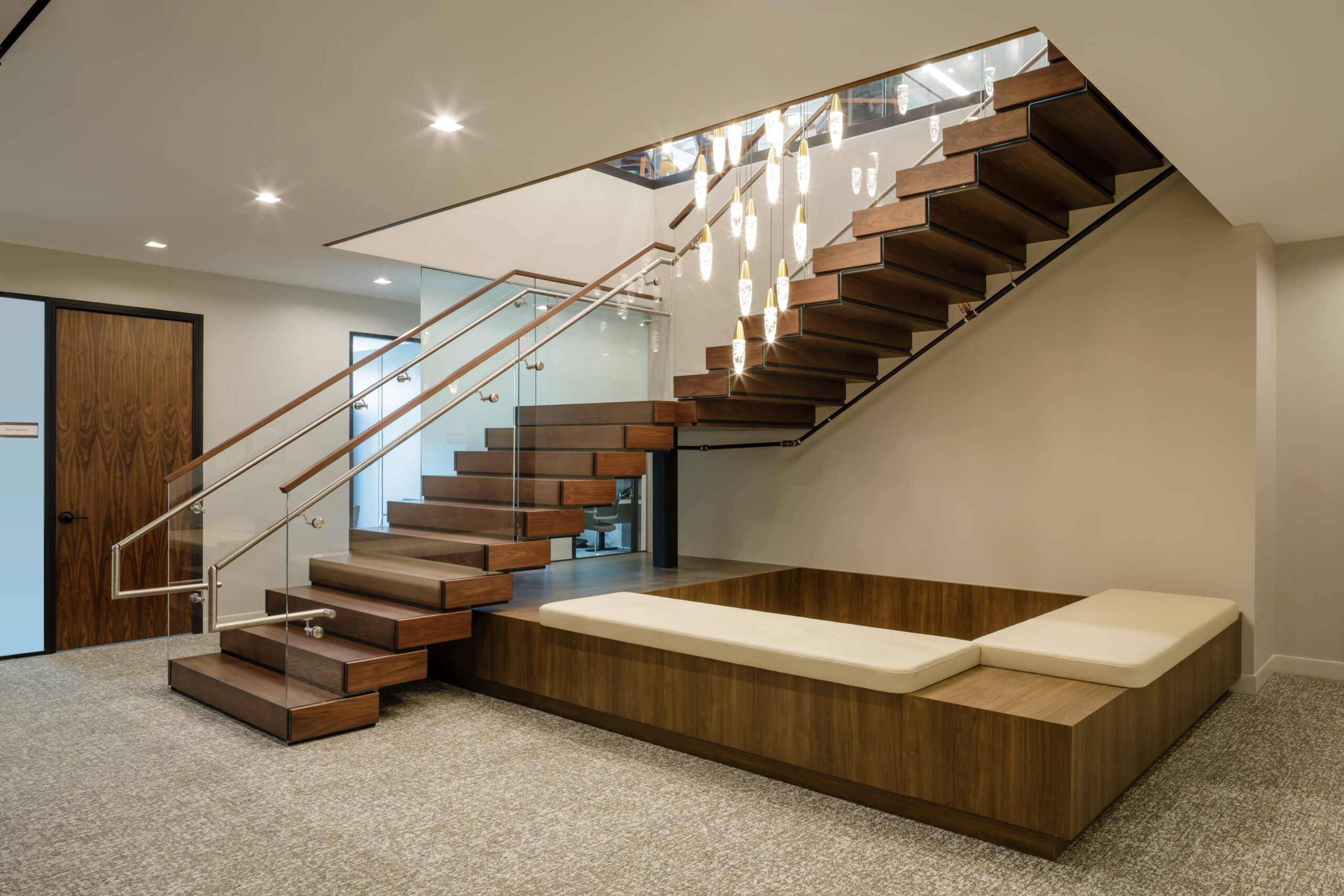
Projects are increasingly using both glass standoffs and glass railing connectors. Why are these two hardware parts utilised together even though they appear to have different purposes? What gains in performance does this combo produce? And why has this method gained popularity in the creation of glass railings? Its benefits go beyond safe fastening to include extensive enhancements in general utility, construction efficiency and architectural beauty.
People often wonder why hardware components are necessary for glass guardrail systems.
--A glass railing system's main purpose is to withstand forces including human leaning, wind loads, horizontal thrust, and dynamic forces produced by regular use. As a result, the railing system's overall safety performance is directly affected by the stability of the hardware connection structure.
This results in the configuration that follows:
Glass Panel → Panel Bracket → Glass Panel → Floor Mounting Structure → Building Structure
- Increased visual transparency is achieved through combined use
Openness and a smooth visual experience are becoming more and more important in contemporary building design. Traditional railings made of concrete or metal are sturdy, but they often obstruct views and can make a room feel cramped or heavy.
When compared to conventional metal railings, data indicates that point-fixing or semi-framed installation techniques can achieve an overall visual transparency of over 90%, greatly increasing natural light penetration. Glass standoffs and railing brackets, whether for handrails or staircases, provide the architectural space a contemporary, minimalist look while enabling people standing close to the railing to take in a broad view.
- When these elements are combined, safety performance is improved
The mechanism used to attach the glass to the building structure is just as important to a glass railing's safety as the glass itself.
Many structural failures are caused by faulty fixing-point designs, weak hardware connections, unstable support structures, or installation techniques that don't adhere to load-bearing specifications rather than by weak tempered glass. On the other hand, employing many connectors in addition to posts disperses forces over a number of locations, lowering the concentration of stress at the margins of the glass and guaranteeing a more evenly distributed distribution of loads throughout the glass.
- The design's overall aesthetic appeal is improved by the mix of glass hardware
Glass guardrails are transformed from strictly functional objects into architectural features that give both practical utility and ornamental value when glass hardware components are strategically combined to enhance the space's visual quality.
Even if the glass itself has exceptional clarity, a lack of consistency in style, substance, or finish across hardware components can lessen the overall visual effect of a glass railing project. Natural, sophisticated metal textures are popular in office buildings, hotels, and modern residential projects because they represent a modern, minimalist, and long-lasting design ethos.
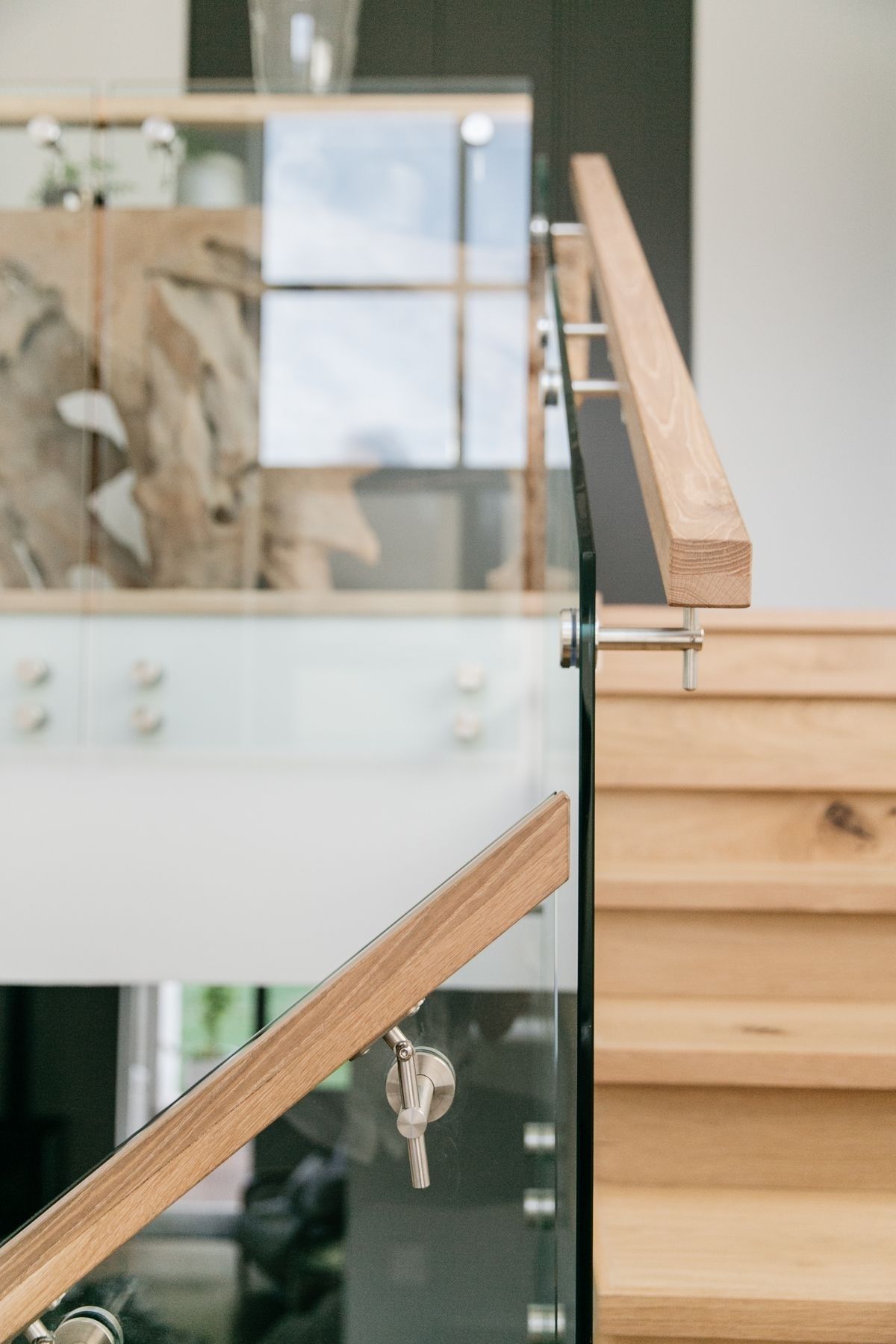
These hardware components are appropriate for a variety of applications since they concurrently meet safety and aesthetic standards. Whether for balcony railings, interior stair handrails, shopping mall atriums, exhibition spaces, or landscape platforms, the smooth integration of glass standoffs and glass panel brackets elevates the architectural quality and modernises homes by balancing transparent glass with elegant hardware.
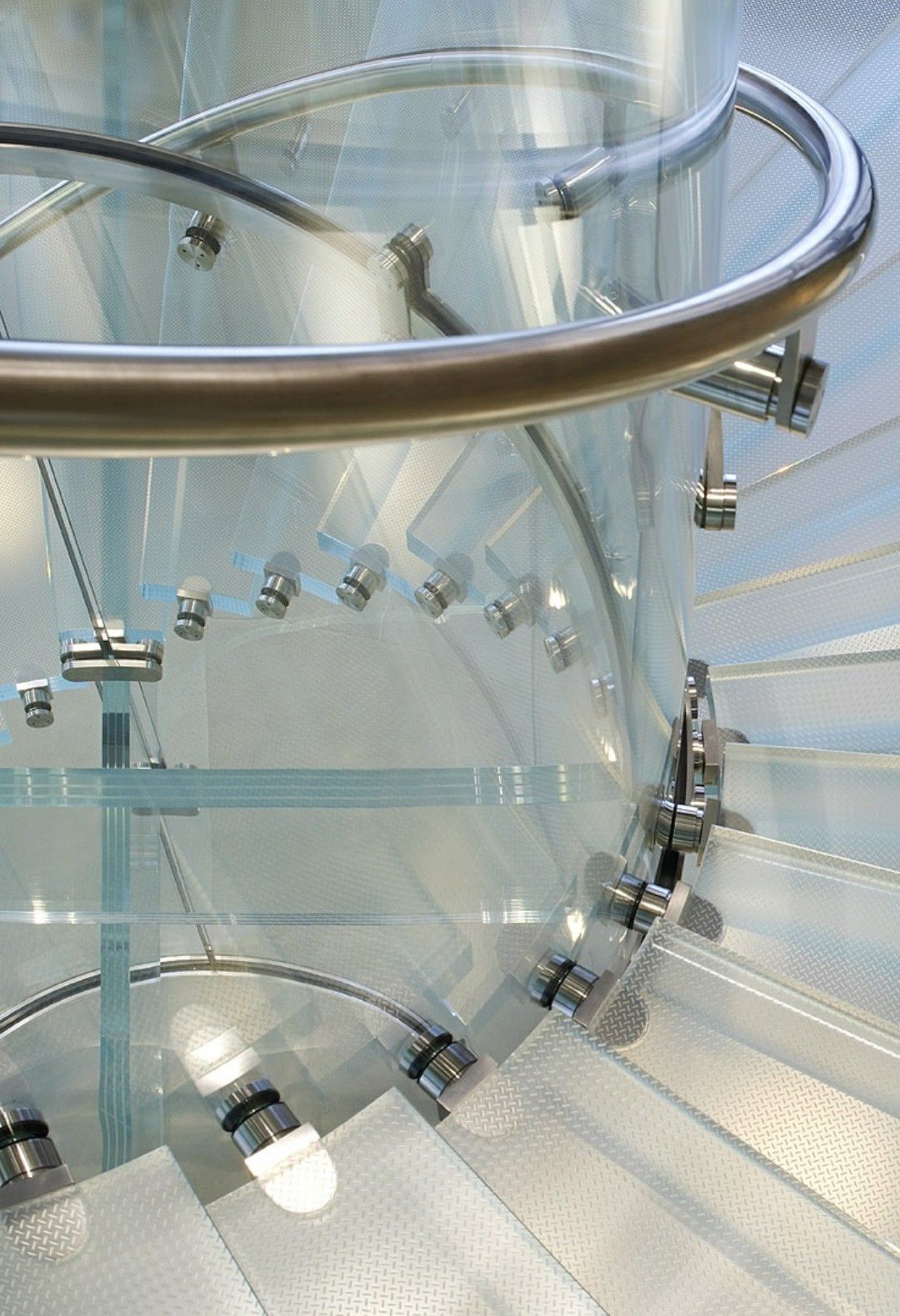
This combination has become a crucial option in contemporary glass guardrail design for both residential balconies and commercial structures, as well as for interior staircases and outside landscape areas. The combined usage of glass standoffs and handrail brackets will become more and more important in the future of architecture as consumer desire for transparent architecture, minimalist design, and superior spatial experiences rises.
All things considered, combining glass connected fittings with glass standoffs is an essential way to balance practicality, safety, and aesthetics in contemporary glass guardrail systems. While connectors ensure secure fastening and load transfer, glass panel standoffs provide stable support. Together, they significantly improve the system's long-term value, ease of installation, aesthetic appeal, and structural dependability.
.png)
Busrom Team
Marketing Department
Committed To Providing The Highest Quality Indoor & Outdoor Solutions Worldwide.