The Endless Applications of Glass Posts Are Expanding Beyond Traditional Railings
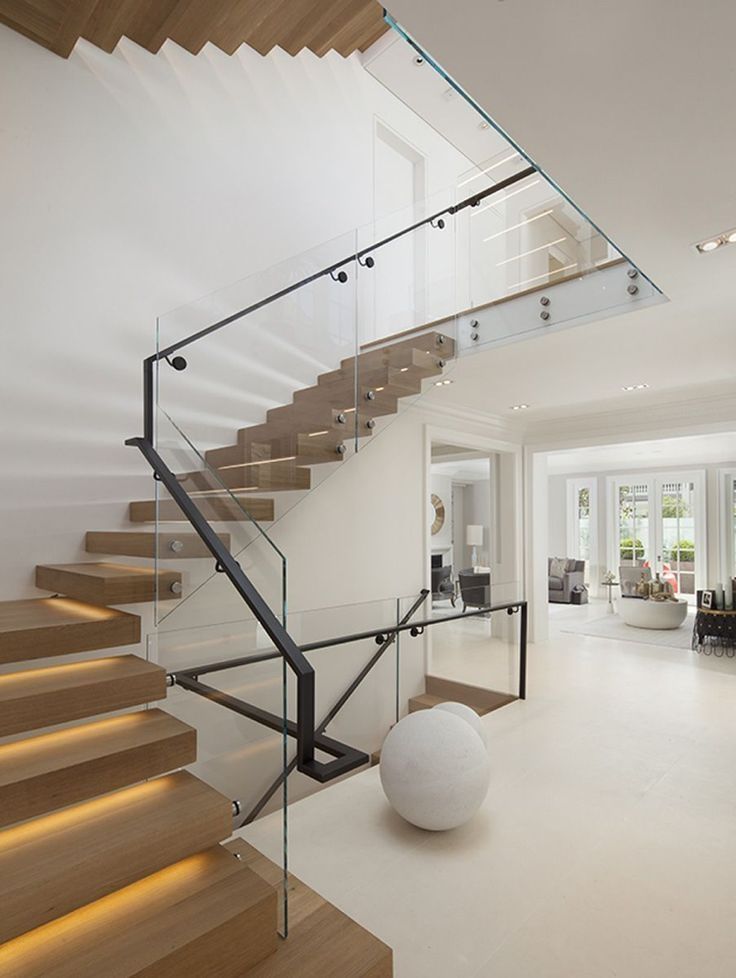
Glass railing systems employ point-fixing frameworks to reduce the need for frames and profiles, in contrast to conventional framed glass installation techniques, preserving more transparency for the glass.
One of the most traditional and well-known uses for glass standoffs is in stair railings. Sleek glass railings are gradually replacing traditional wooden or metal railings in contemporary homes, villas, hotels, flats, and commercial office spaces. Glass posts are an essential part of fastening, supporting, and guaranteeing safety since they connect the glass to the staircase construction. These posts are usually fastened to the tempered glass with bolted fasteners and placed on the sides of stair treads, landing edges, or concrete bases.
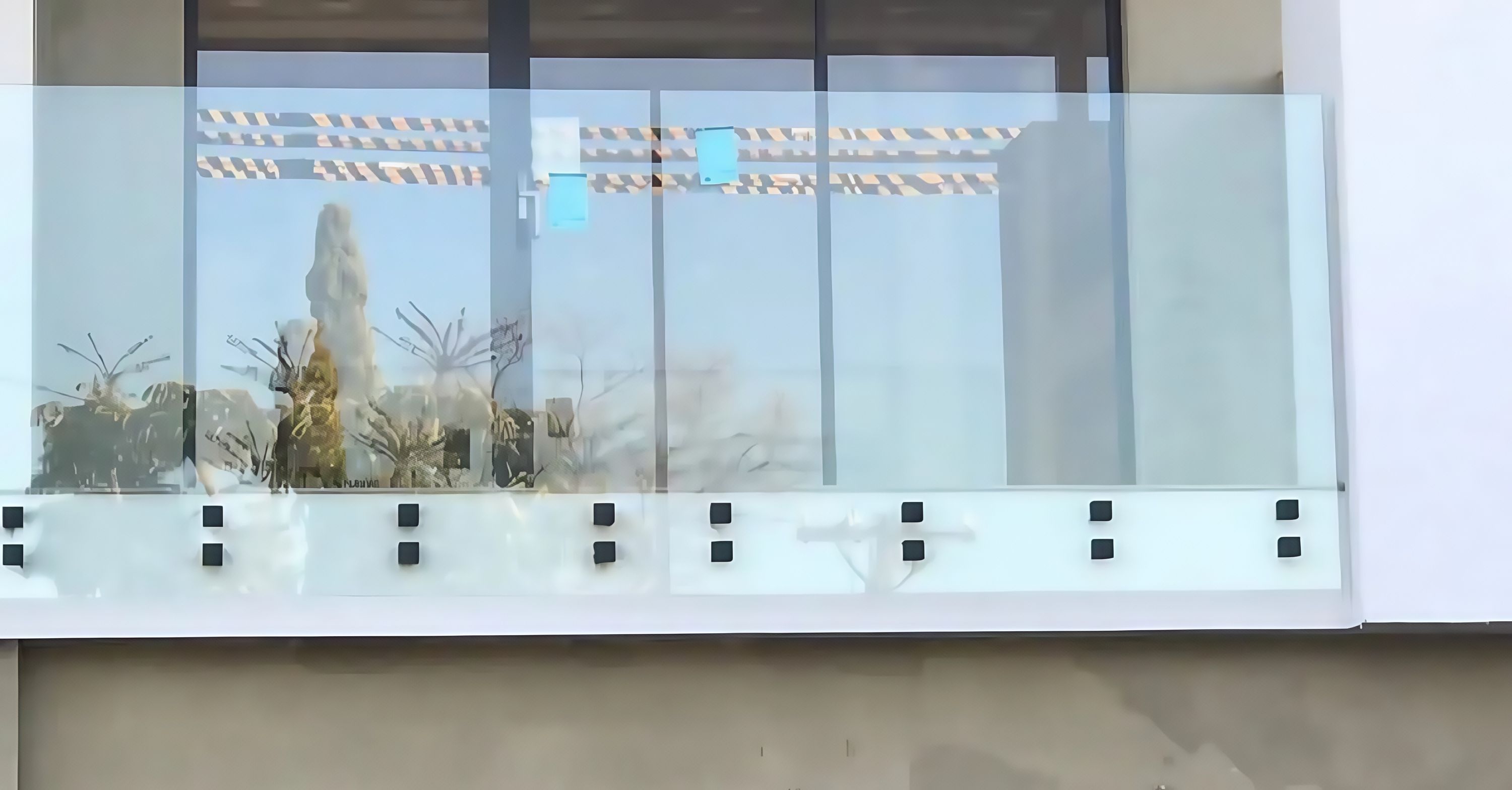
Glass standoff pins are essential elements of balcony glass balustrades in addition to internal staircases. Conventional balcony railings provide stability but typically block views because they are constructed of concrete, steel tubing, or aluminium alloy. Glass guardrails that use glass panel standoffs, on the other hand, optimise the preservation of the surrounding scenery. Applications consist of:
·Residential balconies in high-rise buildings
·Balconies in hotel guest rooms
·Properties with views of the ocean
·Buildings with apartments
·Vacation villas
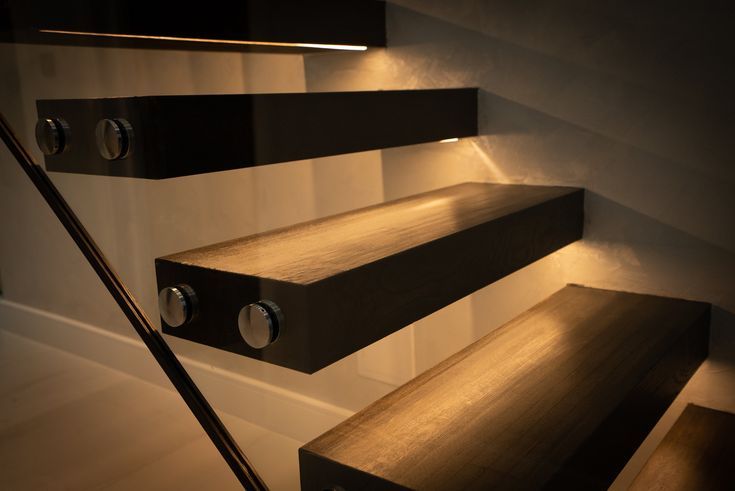
Glass standoffs are also widely used in pool areas, whether in public recreation centers, private villas, hotels, or resorts. These systems strike the ideal mix between safety, seclusion, and aesthetic openness by combining transparent tempered glass with glass post fixings.

Glass partitions are becoming a common feature of contemporary office design due to the popularity of open-plan office concepts. Glass fence standoffs' point-fixing form reduces frame structures and harmonises the entire appearance with the high-tech feel, transparency, sophistication, and sleekness desired in contemporary commercial environments. This hardware can be used to secure inside glass walls as well as external railings, such as:
·Commercial space zoning
·Glass barriers in a conference room
·Partitions in offices
·Partitions for exhibition halls
Glass standoff pins are, of course, frequently utilised in commercial display applications in addition to residential and business settings. They are perfect for displays, but why? Conventional display cabinets frequently need a lot of metal frame. On the other hand, glass fasteners reduce structural mass, enabling customers to pay closer attention to the products on display. For example, transparent glass and tiny stainless-steel supports reduce visual obstruction in jewellery stores, giving diamonds, gold, and other items better lighting and display effects.
In the meantime, glass panel standoffs have been used more frequently in landscape projects in recent years. Transparent glass railings are sometimes used in place of conventional fencing on elevated viewing platforms, such as rooftop gardens, urban parks, riverfront pathways, mountainside decks, and scenic views. This improves the architectural structure's aesthetic appeal while providing tourists with vast views.
Glass standoffs have revolutionised installation techniques as well as a space's aesthetic appeal and user experience. They improve spatial openness through transparent design. They improve architectural aesthetics through intricate structural detailing. They achieve a better balance between functionality and artistry while also addressing safety, durability, and maintenance requirements. Glass mounting gear contributes to the creation of open, contemporary, and long-lasting environments in public, commercial, and residential contexts.
Market research shows that the main demand for glass supports is still centred in residential settings and architectural railing systems, even though adoption rates vary by location and project type. Overall, residential applications, such as glass stair railings, balcony and terrace balustrades, and private pool enclosures, account for between 60%-65% of market demand. About 25%-30% of demand comes from commercial and public building projects, with the remaining 5%-10% coming from specialised custom applications. The range of applications for glass standoffs is anticipated to grow as customers and the architectural design sector place a greater emphasis on material quality, safety performance, and spatial aesthetics.
The use cases for glass supports are expanding as contemporary architectural design trends move toward transparency, openness, and minimalism. Beyond their current use in glass railings and staircases, they will become more and more important in smart buildings, upscale homes, businesses, and public areas in the future.