Stop Buying Glass Standoffs Blindly - 80% of Glass Cracks, Guardrail Detachments, and Other Issues Stem from These Common Selection Mistakes You Must Know About
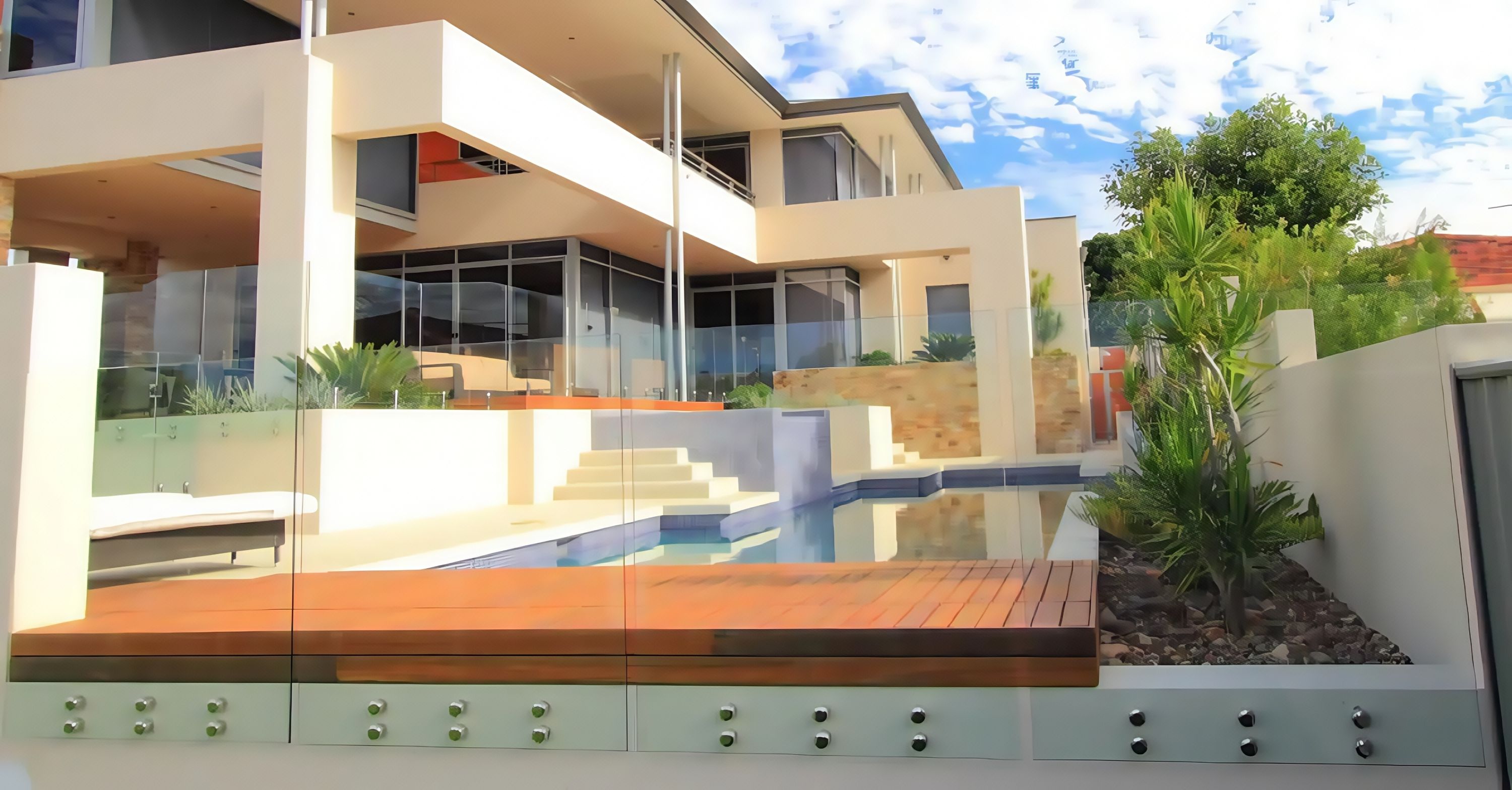
Glass standoffs are a common type of glass hardware used to achieve the clean, uncluttered appearance of frameless glass railings, glass curtain walls, and glass partitions. However, choosing the wrong standoff hardware - in terms of material, torque, gaskets, or substrate - can lead to risks such as glass cracking or railing collapse.
Glass Standoff - It may appear structurally simple, but once installed, whether the glass remains securely in place depends largely on the compatibility of the hardware material, the load-bearing mechanism, the sealing gasket, and the mounting substrate.
When choosing metal standoffs, we cannot rely solely on their external dimensions and surface finish, we must also consider factors such as glass thickness, installation location, load capacity, and the actual operating environment. In particular, the actual load-bearing capacity of glass standoffs of the same specification may vary depending on the substrate, structure, and installation conditions.
Next, we’ll use some practical factors and common pitfalls as examples to explain the Glass Standoff selection process step by step.
I. Why Is the Glass Standoff the ‘Invisible Safety Core’ of Glass Engineering Projects?
In many areas of modern architectural decoration, commercial fit-outs, and high-end home renovations, the Frameless Glass System has completely replaced traditional glass structures featuring wrought iron, solid wood handrails, and heavy frames, thanks to its transparent, minimalist, and floating visual appeal. It is commonly used in applications such as indoor and outdoor railings and staircases, garden terraces, outdoor balconies, office partitions in office buildings, shopping mall display glass, landscape curtain walls, and the mounting of heavy-duty advertising signage.
The Glass Standoff is a critical load-bearing fastener within the entire frameless glass system and serves as a core component that determines the project’s safety, service life, and aesthetic appeal.
In the perception of the vast majority of procurement professionals and those involved in actual construction, glass railing standoffs is merely low-cost decorative fittings that do not require careful selection or standardised installation. However, statistical data from the global building safety industry over many years has completely overturned this perception: according to the UK’s CROSS-SAFETY’s 2023–2025 statistical reports on building hardware failures - compiled over three consecutive years - reveal that 18.7% of incidents involving the collapse of frameless glass balustrades, spontaneous glass breakage, and loosening or detachment were not caused by glass quality issues, but rather by incorrect selection of balustrade standoffs, non-compliant installation, and material degradation. Otherwise, 83% of incidents were classified as gradual failures, occurring predominantly 6-24 months after completion, and were highly likely to trigger a series of problems, including personal injury, construction rework, claims from property owners, and damage to brand reputation.
When it comes time to actually use glass standoffs, selecting the right type is by no means simply a matter of‘matching dimensions’, rather, it is a systematic engineering process that requires consideration of factors such as the application environment, load standards, material properties, installation methods, and service life. While many low-cost orders may seem to cut costs, oversights in the details can lead to a surge in after-sales issues, bulk returns, negative reviews, and unsold inventory for overseas projects.
Drawing on the International Building Code (IBC),authoritative domestic building codes, field data from overseas projects, salt spray test reports, and analyses of failure cases, we will provide a comprehensive breakdown of all potential pitfalls, technical specifications, selection criteria, installation precautions, and acceptance procedures for Glass With Standoffs, offering you professional procurement and construction standards that can be implemented immediately.
II. Complete Structure And Core Operating Principles Of The Glass Standoff Mounts
In many cases, the root cause of construction failures is that installers have no understanding of the load-bearing mechanism of Glass Standoffs and treat them merely as ordinary fastening screws. However, a standard, certified load-bearing Glass Standoff Bracket is by no means a single metal part; rather, it is a composite, flexible load-bearing assembly in which every component plays an irreplaceable role in ensuring safety, and none can be omitted.
2.1 Complete Component Configuration of the Standoff
The complete set of standard engineering-grade standoff glass accessories includes: a stainless steel mounting base, a stainless steel extended sleeve body, a high-strength threaded rod, double-sided elastic cushioning gaskets (EPDM/silicone), a waterproof decorative end standoff cap, and anti-slip locking washers.
However, low-priced, substandard products on the market commonly omit gaskets, reduce the thickness of sleeves, and use low-strength screws, which directly lead to safety hazards and ultimately result in financial losses and may even endanger lives.
2.2 Logic of the Core Structure Operation
Tempered glass and laminated glass are brittle materials; although they have high compressive strength, they have extremely poor resistance to localized stress and cannot withstand rigid pressure from metal. The core design principle of glass guardrail standoffs is Flexible Load Distribution: by using highly elastic, weather-resistant silicone or EPDM spacers to isolate the hard stainless steel from the brittle glass, it transforms concentrated pressure at a single point into uniform pressure across a surface, eliminating the problem of stress concentration at the glass mounting holes.
The entire system is subjected to dual dynamic loads over the long term:
- Static vertical loads resulting from the dead weight of the glass panels.
- Dynamic lateral loads caused by wind pressure, leaning against a person, accidental impacts, and floor vibrations.
However, high-quality glass standoffs can absorb dynamic loads over the long term, protecting the glass from cracking and preventing the fasteners from loosening, whereas low-quality or improperly installed glass panel standoffs will concentrate all stress directly at the edges of the drilled holes in the glass, leading to gradual cracking and sudden detachment.
III. Six Common & Critical Pitfalls In The Industry
Based on post-sales data from overseas engineering projects, actual test reports from building materials testing laboratories, the IBC (International Building Code), and China’s JGJ industry standards, we have identified the six types of errors that result in the highest failure rates and greatest losses during construction and are also the most common cost pitfalls to avoid during the procurement process.
Pitfall 1: Substituting Lower-grade Stainless Steel (201) For 304 / 316, Which Leads To Corrosion
This is the most common issue encountered in all glass standoff purchases. To cut costs, many manufacturers generally claim to use “304 stainless steel,” but in reality, they substitute 201 stainless steel for the standard 304 or 316 grades. However, 201 stainless steel has an extremely low nickel content and very poor corrosion resistance, making it completely unsuitable for outdoor, humid, or coastal environments.
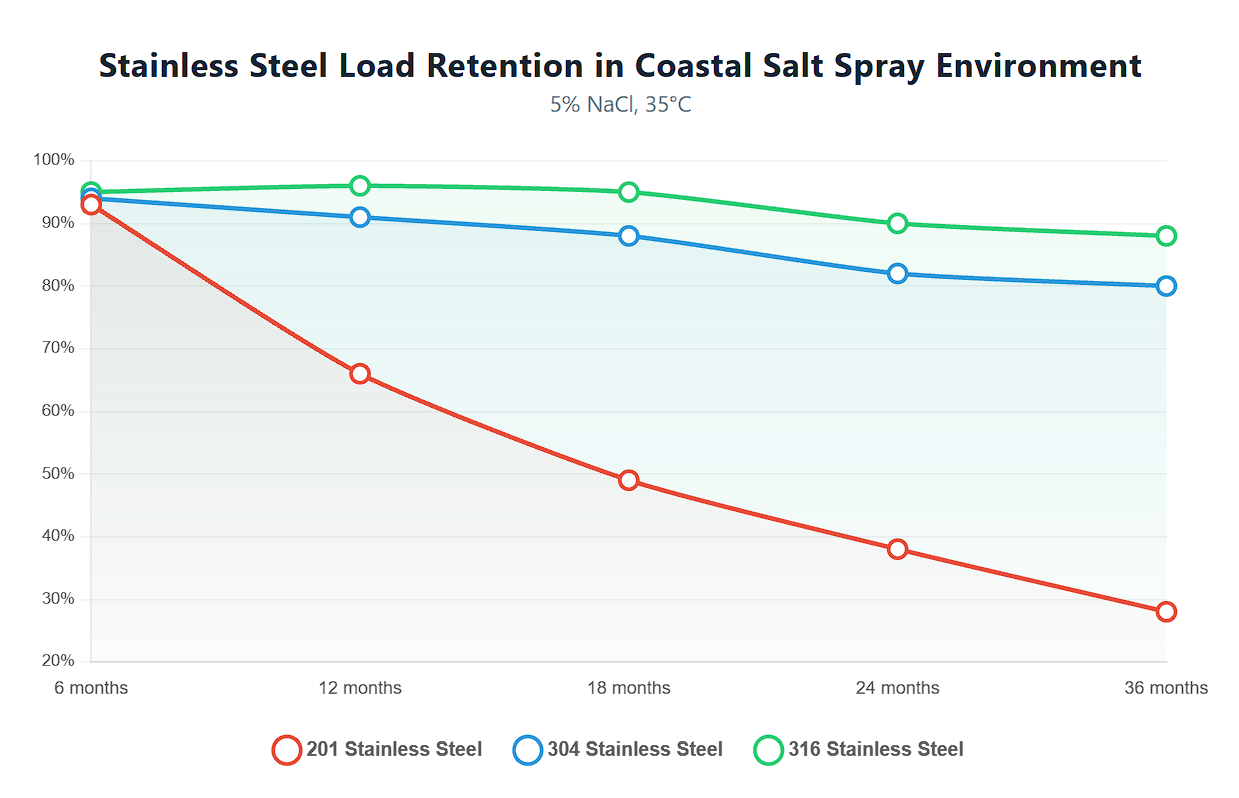
Laboratory Test Data: According to a third-party salt spray test report for building materials, in a coastal salt spray environment (5% salt concentration, 35°C), 201 stainless steel standoff exhibit noticeable pitting corrosion, thread oxidation, and surface peeling after 12 months of installation, then After 24 months of installation, the effective cross-sectional area of the bolt is reduced by 40%-62%, resulting in a significant decrease in load-bearing capacity and making the bolt highly susceptible to breakage and complete detachment. In contrast, the salt spray test for the equivalent 304 stainless steel product shows no corrosion for up to 500 hours, while 316 stainless steel exhibits salt spray resistance of over 1,000 hours.
Taboos In Scene Classification: 304 stainless steel may be used in relatively dry indoor environments; however, in outdoor environments with high humidity - such as balconies, patios, exterior curtain walls, coastal cultural and tourism projects, and areas surrounding swimming pools - the use of 316 stainless steel is mandatory, and 201 stainless steel is strictly prohibited in load-bearing railing projects.
Pitfall 2: Loss Of Control Over Installation Torque; Excessive Tightening Leads To Chronic Spontaneous Breakage Of The Glass
This is the most common hidden defect in residential and small-scale commercial construction. Most workers lack standardized tools and rely solely on their sense of touch when using electric and impact wrenches to tighten bolts, causing localized pressure at glass drilling sites that far exceeds the standard.
Laboratory Test Data: The standard installation torque for compliance is 2–4 N·M. Within this range, the stress levels at the glass mounting holes remain within safe thresholds. When the torque exceeds 6 N·M, the probability of microcracks forming in the tempered glass increases by 710%. If the torque exceeds 8 N·M, the glass will crack immediately or develop hidden cracks, which will inevitably lead to spontaneous breakage within 1–6 months due to subsequent temperature fluctuations or minor vibrations.
Mandatory Regulatory Requirements: Clause 12.2.3 of JGJ113-2015《Technical Specifications for the Application of Architectural Glass》explicitly requires that point-supported glass fasteners not be overtightened, that an elastic buffer space be provided, and that rigid locking be prohibited. The IBC 2021 International Building Code similarly requires that glass fasteners be tightened manually using torque and prohibits the use of impact-type power tools.
Pitfall 3: Omitting The Elastic Cushioning Gasket, Resulting In Direct Contact Between The Metal And The Glass - This Is A Widespread Bad Practice In The Industry
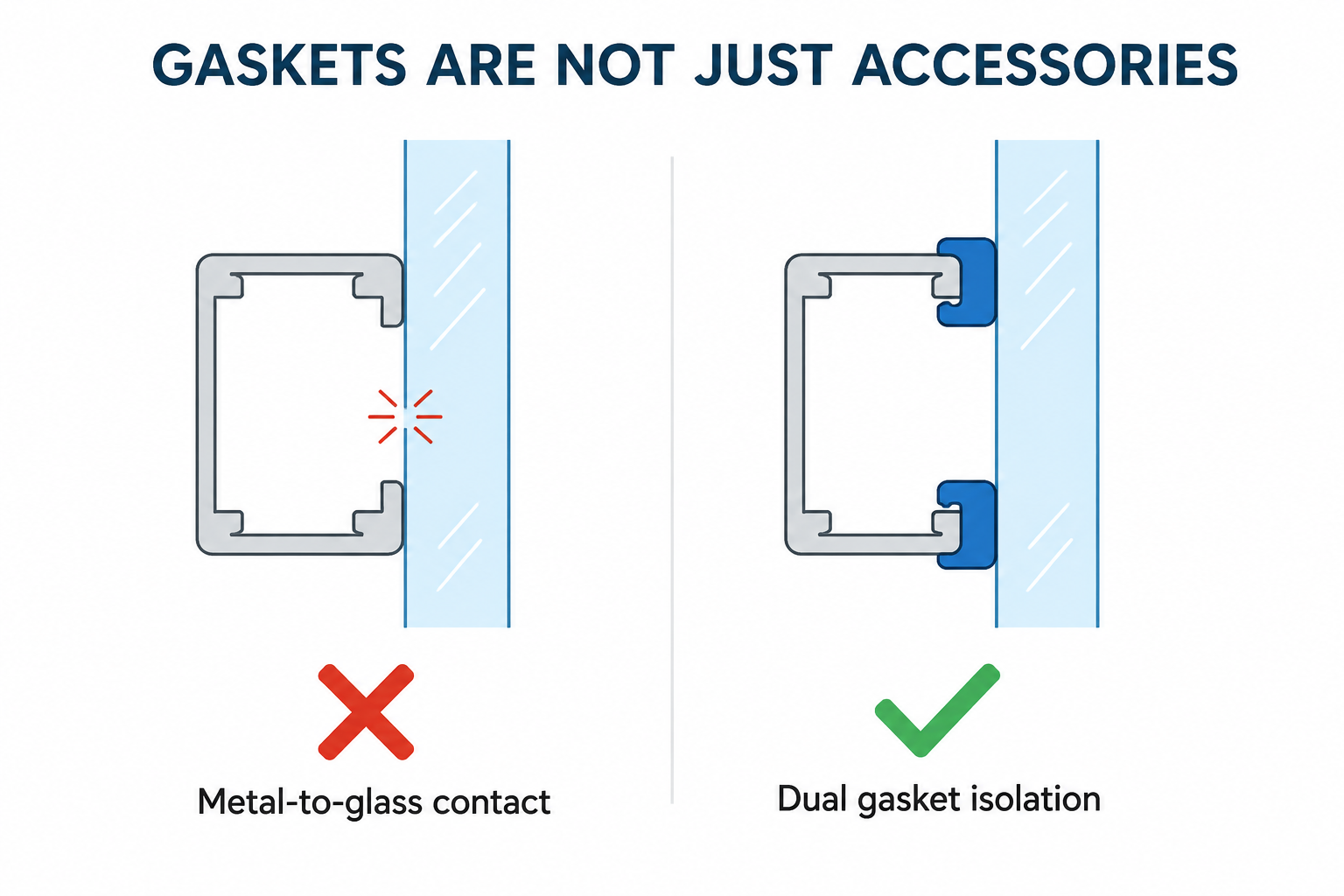
To save time and achieve a snug fit, many construction teams omit the double-sided silicone/EPDM cushioning gaskets, allowing the stainless steel sleeve to come into direct contact with the glass. While most people mistakenly believe that these gaskets are merely decorative components, they are actually the core safety cushioning elements of the entire system.
The coefficients of thermal expansion for glass and stainless steel differ significantly, and seasonal temperature fluctuations cause these materials to expand and contract by different amounts. Without a spacer to provide isolation, the metal edges will continuously cut into and compress the glass openings. Under prolonged repetitive stress, radial cracks will form at the drilled holes, eventually causing the entire pane to shatter. At the same time, stresses generated by equipment vibrations or slight human movements cannot be cushioned and will continue to accumulate at the glass’s weakest points.
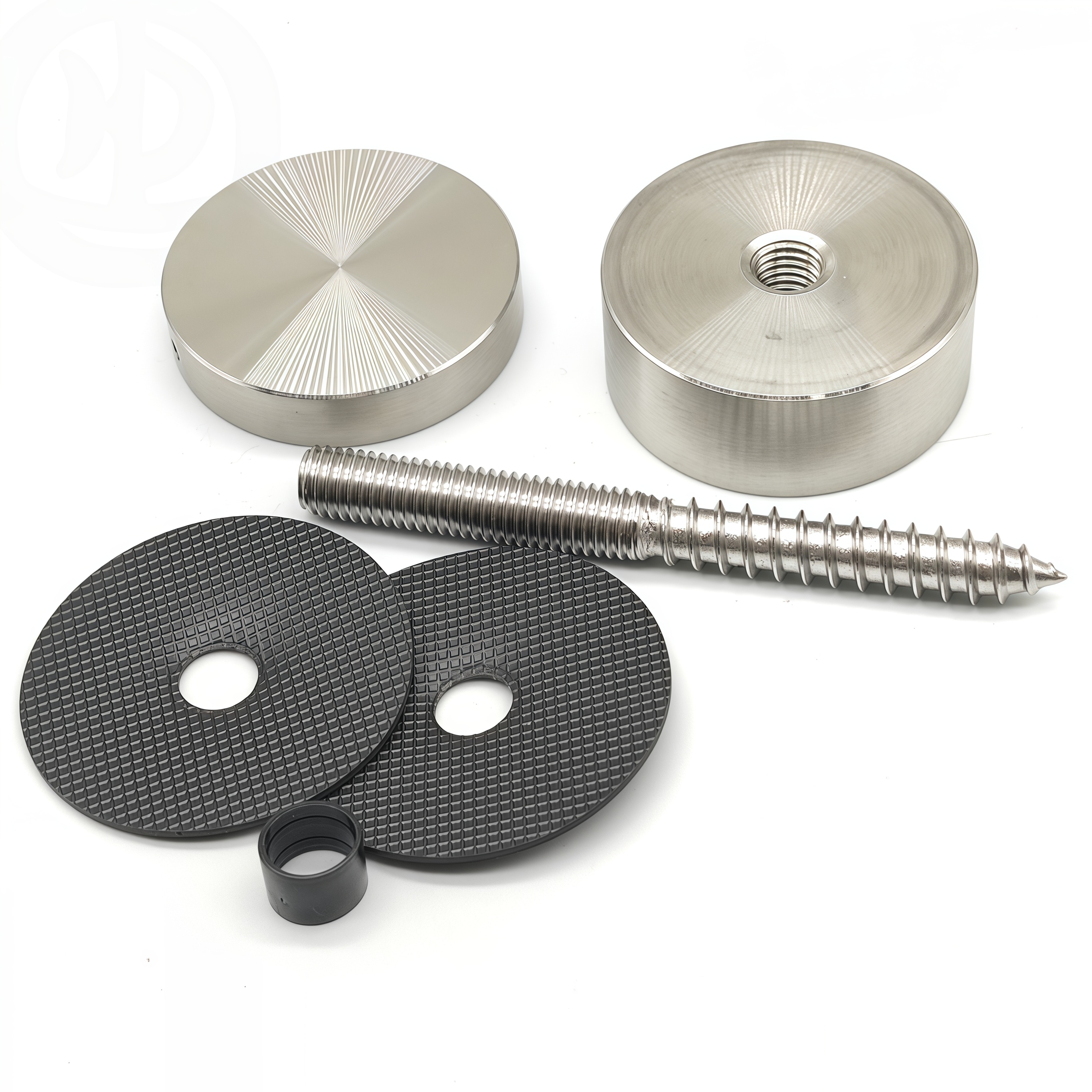
Industry Standard Specifications: Compliant gaskets must be made of weather-resistant silicone or EPDM with a Shore hardness of 50–60. They must be heat-resistant, weather-resistant, and resistant to yellowing and hardening. Gaskets must be installed on both sides of the glass; omitting them, installing them on only one side, or using inferior, thin gaskets is strictly prohibited.
Pitfall 4: Incorrect Selection Of The Substrate For Anchoring, Leading To Substrate Failure And Overall Detachment
Many people focus only on the product quality of Stainless Standoff, but overlook the load-bearing capacity of the substrate - which is the primary cause of failure in the base’s anchoring. According to data from the 2025 Engineering Research White Paper, 42% of falls from frameless glass railings are not caused by damaged hardware, but rather by failure of the wall substrate anchoring.
Hollow-core brick walls, thin plaster layers, low-density panels, and moisture-damaged panels are completely incapable of withstanding the lateral tensile and compressive forces exerted by glass panels. Even when using high-end 316 stainless steel standoffs, the application of force can cause anchor bolts to loosen, panels to tear, and bolts to pull out, leading to serious safety incidents.
Compliance Standards Substrates: In load-bearing guardrail applications, the guardrails must be secured to solid concrete, thick solid wood, or embedded steel structural anchors. For hollow walls and lightweight partition walls, embedded steel plates must be installed in advance and the substrate reinforced, direct attachment to decorative finishes or hollow substrates is prohibited.
Pitfall 5: Mismatch Between Glass Thickness, Hole Dimensions, And Stainless Standoffs Specifications
Using small-sized glass standoffs with thick glass, using large-pressure glass standoffs with thin glass, or having hole spacing that does not meet specifications will all directly compromise the structural stability of the glass.
JGJ102-2003《Technical Specifications for Glass Curtain Wall Engineering》explicitly stipulates that point-supported countersunk fasteners must be compatible with single-pane tempered glass that is at least 8 mm thick, safety glass used in guardrails must be tempered, and the use of ordinary float glass for floor-to-ceiling applications is prohibited.
There is also a hole-to-edge clearance specification that is easily overlooked: the distance from the center of a hole drilled in glass to the edge of the glass must be at least 2.5 times the thickness of the glass. If the clearance is too small, it can cause stress concentration at the edge of the glass, leading to cracking even under slight stress.
Pitfall 6: Completely Locked With No Clearance, Leading To Long-Term Stress Fatigue Caused By Thermal Expansion And Contraction
The difference in thermal expansion and contraction coefficients between stainless steel and glass is more than three times, and the seasonal temperature fluctuations throughout the year cause continuous deformation of both materials. If the railing standoff is fully tightened during installation with no allowance for movement, compressive stress will continuously build up between the bolts, the glass, and the wall. Over time, as the structure undergoes fatigue and aging, a series of problems will arise - such as loosening of the threads, cracks in the glass, and hardening and failure of the washers - which are the primary causes of long-term warranty failures.
The coefficient of thermal expansion for stainless steel is 17.3 × 10⁻⁶/°C, while that for glass is 9.0 × 10⁻⁶/°C; the difference in thermal expansion between the two is nearly twofold. Repeated expansion and contraction throughout the four seasons - with the metal expanding and pressing against the glass in summer and contracting to create gaps and looseness in winter - led to a completely locked installation with no‘breathing space’in the structure.
This ultimately results in gasket hardening → thread loosening → glass cracking → overall shaking and detachment.
This is the most easily overlooked hidden cause of long-term warranty failures.
IV. Scenario-Based Risk-Level Selection System
The True Core Requirements Of Procurement: avoiding cost waste, not crossing safety red lines, and precisely matching the application scenario. Load capacities, environmental conditions, and risk levels vary significantly across different application scenarios, a one-size-fits-all approach will either result in excessive cost waste or create safety hazards.
Next, based on international building safety standards, we will classify application scenarios into three risk levels - low, medium, high and provide corresponding material, glass, torque, and substrate selection solutions to meet all overseas project requirements.
4.1 Low-Risk Scenarios: Indoor Glass Display Panels, Office Partitions, Decorative Glass
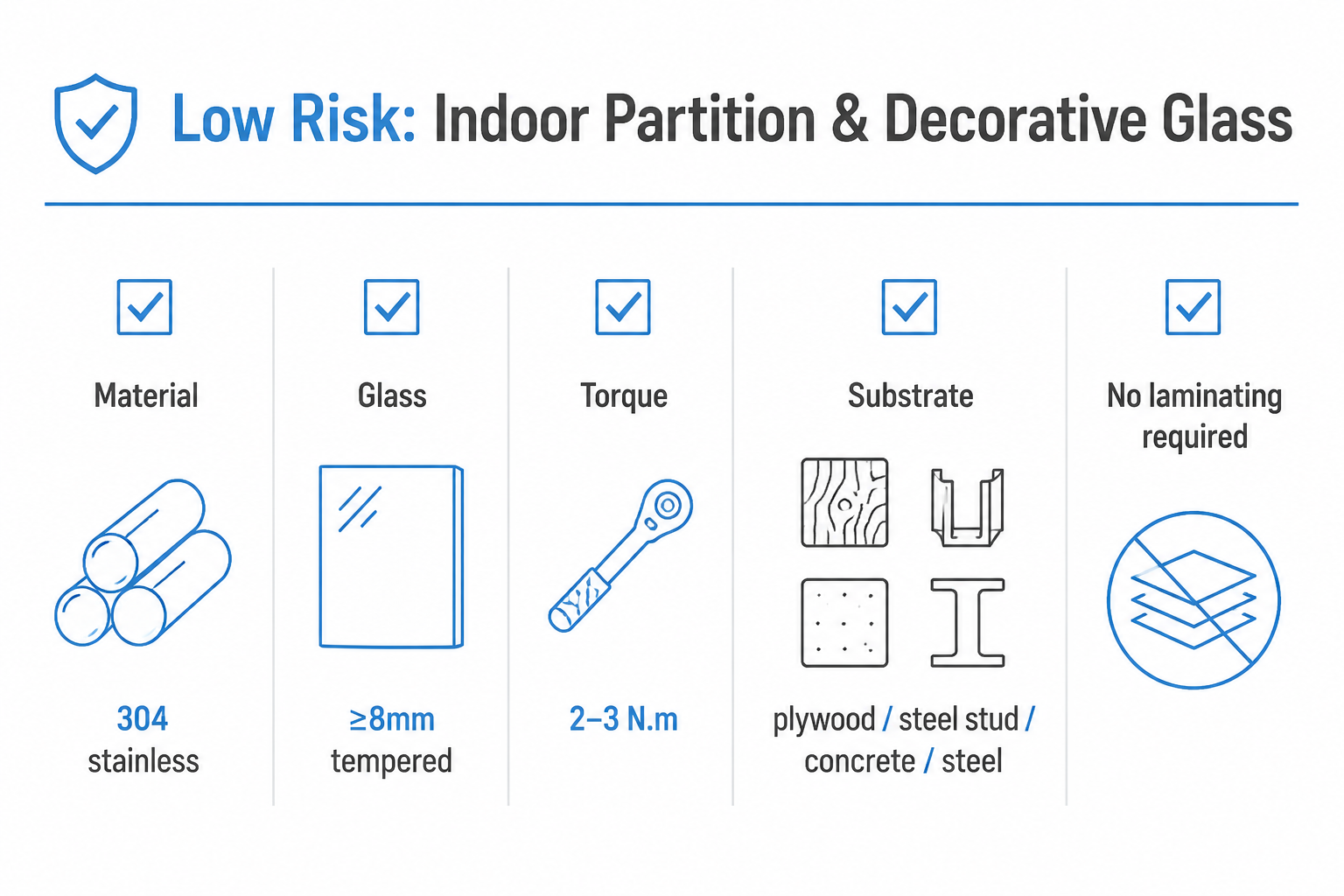
Scenario Characteristics: No human contact, no risk of impact, no wind pressure loads, dry environment, supports only the weight of the glass; the risk of failure is extremely low, with an emphasis on aesthetics and structural stability.
Complete Selection Criteria: 304 stainless steel is sufficient for the material. The glass must be at least 8 mm thick tempered glass, the installation torque should be controlled between 2 and 3 N·M, suitable substrates include solid plywood, light-gauge steel studs, concrete, and steel structures, laminated glass is not required; and cost-effectiveness is the top priority.
4.2 Medium-Risk Scenarios: Indoor Stair Railings, Duplex Railings, And Glass Enclosures In Atriums
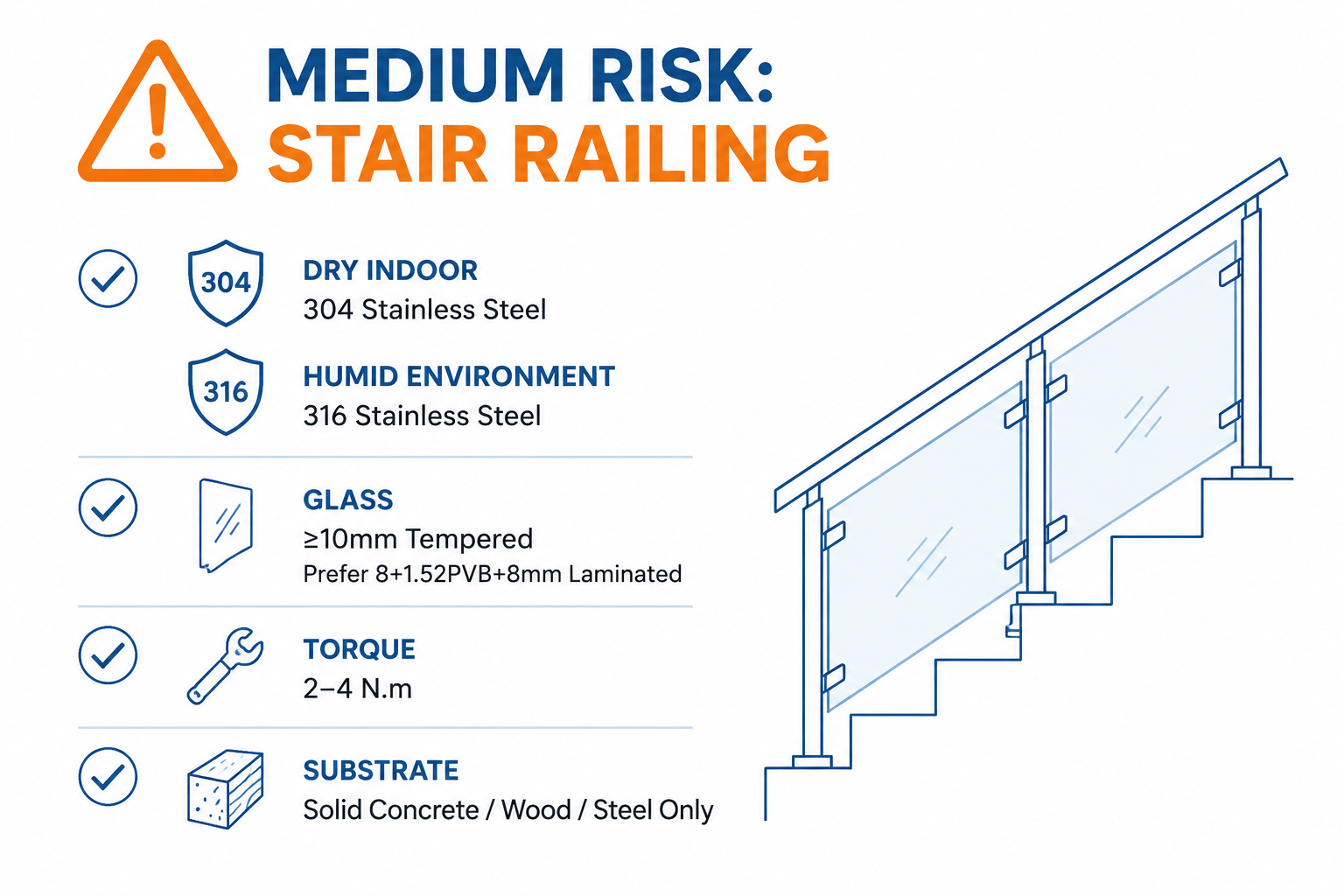
Scenario Characteristics: Behaviors such as people leaning against the glass, children bumping into it, and everyday friction frequently occur. Glass Standoff is a semi-structural safety component, if it is unstable and prone to causing personal injury, placing higher demands on the stability and durability of its hardware.
Complete Selection Criteria: Use 304 stainless steel for dry rooms, 316 stainless steel is mandatory for damp rooms and basements, the minimum glass thickness is 10 mm tempered glass, with 8+1.52 PVB+8 mm laminated tempered glass preferred, installation torque must be strictly controlled between 2 and 4 N·M, and the substrate must be solid concrete, solid wood, or steel—hollow or thin-panel substrates are strictly prohibited.
4.3 High-Risk Scenarios: Outdoor Balconies, Patios, Seaside Railings, Swimming Pools, And Landscape Curtain Walls
Scenario Characteristics: These components are continuously exposed to wind, rain, sunlight, salt fog, and temperature fluctuations, while also being subjected to wind pressure, people leaning against them, and accidental impacts. They face the highest risks of corrosion and structural failure and are therefore classified as components requiring priority safety management.
Complete Selection Criteria: 316 stainless steel must be used, 304 and 201 grades are prohibited. Glass must be double-layered laminated tempered glass, with a minimum configuration of 10 + 1.52 PVB + 10 mm. Installation torque: 2–3.5 N·M, it is better to be slightly loose than too tight. The base material must consist of concrete reinforced with embedded steel plates; all hollow walls must undergo specialized reinforcement treatment; waterproof gaskets must be provided to enhance outdoor durability.
V. Comparison Table Of Authoritative Standardization Parameters
This table integrates data from Chinese construction industry codes, the International Building Code (IBC), and the UK Building Hardware Safety Report. All parameters are authoritative and universally applicable and can be directly included in international trade quotations, product manuals, and construction contracts to help avoid post-sale disputes.
The Ultimate Comparison Chart Of Material Lifespans And Suitable Applications
VI. Standardized Self-Inspection And Acceptance System For Completed Projects (Essential For Foreign Trade After-Sales Service)
A self-inspection and acceptance check upon project completion is key to preventing future accidents and reducing post-installation disputes. We have developed a streamlined, practical on-site self-inspection process that requires no specialized equipment and is suitable for all glass railing installation projects.
- Visual Inspection For Cracks In Glass:
Carefully inspect the area around the glass drill holes for radial hairline cracks, hidden cracks, or chipped edges. If any signs of damage are found, the glass must be replaced immediately and must not be used. - Structural Stability And Wobble Test:
Gently push the glass panel with both hands using even pressure. If there is no noticeable wobbling, shifting, or unusual noise, the test is passed; any wobbling indicates that the gaskets have deteriorated, the screws are loose, or the base material has failed to anchor properly, and immediate reinforcement and corrective action are required. - Visual Inspection Of Hardware Components For Corrosion:
For long-term outdoor and coastal projects, pay special attention to the surfaces of glass standoffs. Type 201 stainless steel is prone to rapid development of yellowish-brown rust spots and flaking due to oxidation. If corrosion is detected, replace the components with Type 316 stainless steel parts immediately. - Gasket Integrity Check:
Inspect the gap between the bolt and standoff caps to ensure that the double-sided silicone gasket is intact, with no missing sections, no crushing or cracking, and no hardening or deformation. If the gasket is damaged, replace it immediately to prevent direct contact between the glass standoff and the glass. - Inspection During Installation:
The use of impact drills or power wrenches to tighten fasteners is strictly prohibited throughout the entire process. All bolts must be tightened evenly by hand, ensuring they are not overtightened and remain straight and aligned.
VII. A Guide To Avoiding Pitfalls In Procurement
The vast majority of after-sales issues stem not from product quality problems, but from discrepancies between the delivered goods and the order specifications caused by vague procurement parameters, inadequate communication, and unclear order details. To address orders for engineering projects with different applications, we have compiled dedicated procurement specifications to help ensure accurate ordering and minimize post-sale disputes.
- Specify The Material Grade And Avoid Vague Labeling:
When placing an order, you must clearly specify '304/316 stainless steel', labeling the product simply as 'stainless steel' is prohibited to prevent the substitution of inferior 201-grade material from the outset. For high-risk outdoor orders, you may request a material spectroscopic analysis report and a salt spray test report. - Clearly Specified Complete Set Of Accessories:
The contract and purchase order should state that 'the complete set includes double-sided EPDM/silicone cushioning gaskets and waterproof end caps' to prevent the omission of essential safety components or their sale at an additional charge. - Precise Matching Of Specifications And Dimensions:
Based on the glass thickness and the thickness of the wall substrate, accurately calculate the screw length and sleeve height, and allow for a standard expansion gap to prevent loosening due to excessive length or seizing due to insufficient length. - Specify Surface Treatment Standards:
Outline the surface treatment process based on project requirements, ensuring the surface is free of burrs, scratches, and weld defects and meets the aesthetic standards of high-end engineering projects. - Customized Solutions Tailored To Specific Environments:
For coastal, poolside, and high-humidity outdoor environments, discuss in advance customizing versions with enhanced waterproofing and salt fog resistance, thereby extending the product’s service life.
VIII. An In-Depth Analysis Of Common Misconceptions In The Industry
To further address common misconceptions in the industry, we’ve broken down the four most widespread misconceptions—which are also the easiest pitfalls to fall into.
🔴Misconception 1: Glass Standoffs Are Used Solely For Decorative Purposes And Don't Affect Safety
Glass standoffs are structural load-bearing components that support the entire fixed load of the glass. They are the core safety components of frameless glass systems, and errors in selection or installation can directly lead to collapse accidents.
🔴Misconception 2: The Tighter, The More Secure, You Can’t Go Wrong By Tightening It
Because glass is a brittle material, over-tightening can cause irreversible stress damage. While this may not show any symptoms in the short term, it can lead to spontaneous breakage over time, making it the industry’s hidden 1st hazard.
🔴Misconception 3: Use 201 Stainless Steel Freely For Indoor Applications
Even in humid indoor environments, due to air conditioning condensation and atmospheric oxidation, 201 stainless steel can corrode and become loose, shortening the structure’s service life and compromising its overall appearance and safety.
🔴Misconception 4: It Doesn't Make Much Difference Whether A Gasket Is Used Or Not
The gasket is the only flexible cushioning component. Without it, the glass and metal would rub and press against each other with no give, which would inevitably cause cracks due to temperature changes and vibrations. Therefore, its use is a mandatory requirement for standardized installation.
IX.Summary
Glass standoffs may appear to be small hardware components, but they are crucial to the safety and durability of an entire frameless glass installation project. Behind their minimalist and aesthetically pleasing appearance lie rigorous material standards, precise installation techniques, scientific load-bearing principles, and a tiered system for selecting the appropriate standoffs based on specific application scenarios. The vast majority of project failures, post-sales disputes, and safety incidents stem from a lack of attention to detail.
Avoiding low-cost, low-quality non-standard products, adhering to standardized selection and installation guidelines, and tailoring configurations precisely to specific scenarios are not only key to mitigating safety risks and minimizing after-sales losses, but also essential details for enhancing project quality and building a reputation for high-end engineering. High-quality glass standoffs not only embody a minimalist, sophisticated architectural aesthetic but also establish a robust, long-term safety barrier for every engineering project.
X.FAQ
1.Is 304 or 316 stainless steel better for standoffs?
304 stainless steel is commonly suitable for indoor applications and relatively dry, non-corrosive environments. 316 stainless steel contains molybdenum, because it provides improved resistance to chlorides and corrosion. So, for outdoor installations, coastal areas, swimming pools, and other environments exposed to salt, moisture, or chemicals, 316 is generally the preferred option.
2.How far apart should glass railing standoff be?
Glass railing standoffs are typically spaced :
300–450 mm for indoor railings.
300–400 mm for outdoor residential railings.
250–350 mm for coastal or high-wind areas.
The final spacing should depend on the glass thickness, panel size, design loads, and the manufacturer’s or engineer’s specifications.
3.Can glass standoff be mounted into wood?
Yes. You can mount standoffs to wood when they are anchored into solid structural framing, such as timber posts or blocking. The supporting wood must be strong enough for the glass railing system. Do not install standoffs only into thin boards, fascia, or decorative wood.
4.Do the standoffs need gaskets?
Yes, steel standoffs typically use rubber or plastic gaskets between the metal fitting and the glass. It helps prevent direct metal-to-glass contact, protect the glass around the mounting hole, and distribute pressure more evenly.
5.Does a glass railing require laminated glass?
Section 2407.1 of the 2021 International Building Code (IBC) generally requires glass used in handrails and guards to be laminated glass made with fully tempered or heat-strengthened glass, with some exceptions. Local requirements may vary depending on the adopted code edition and amendments, so always confirm the applicable local building code.)
References & Sources
[1] JGJ 113-2015《Technical Specifications for the Application of Architectural Glass》
[2] JGJ 102-2003《Technical Specifications for Glass Curtain Wall Engineering》
[3] CROSS-SAFETY《Failed Base Fixings To Frameless Glass Balustrade》
[5] 《GB/T 10125-2021 Corrosion Testing In Artificial Atmospheres And Salt Spray Testing》
[6] 《GB/T 31205-2014 Abrasion-Corrosion Resistant Steel Castings》
[8] 《GB/T 4171-2008 Atmospheric Corrosion Resisting Structural Steel》