Why Do Different Structural Designs of Bathroom Glass Hinges Directly Affect Shower Safety?
.png) Busrom Team
Busrom Team- •
- 2 MIN TO READ
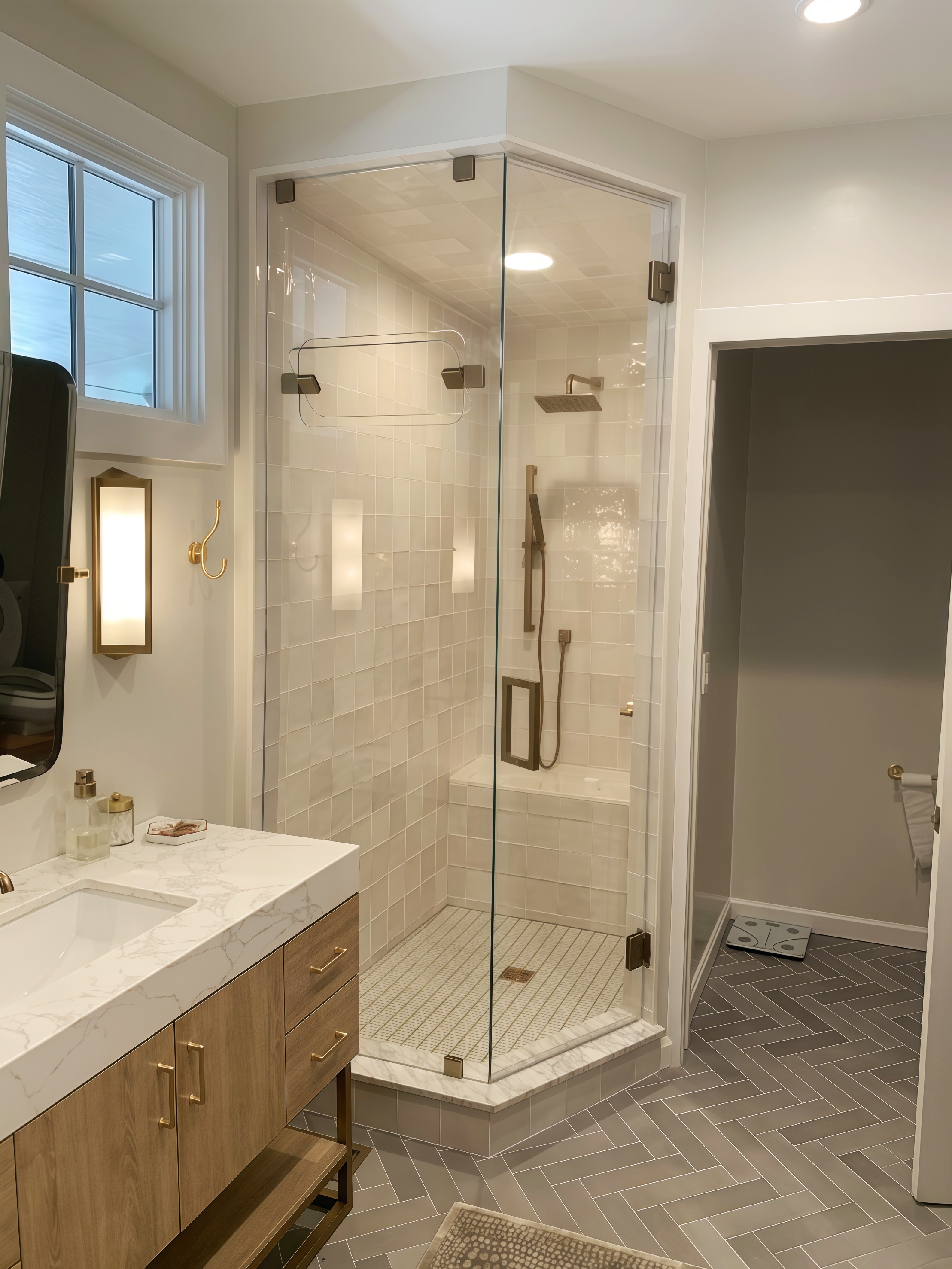
In a bathroom system, the glass joint jobs as an "invisible core component." While it may appear just a port, it really bears the complete weight of the glass door, guides its opening and closing motions, and warrants architectural protection over the long-term. From a design perspective, performance distinctions stem not primarily from look or item, but from the sturdiness of the inner architectural style. Variants in building arrangement straight affect the feeling of operation, load-bearing capacity, service life, and safety and security criteria.
What enables a glass joint to take care of weight and help with rotation?
A glass hinge includes 3 major elements: the repaired positioning, the pivot system, and the glass-clamping framework. The pivot device establishes total installation safety; the pivot device controls the level of smoothness of activity; and the clamping framework directly affects whether the loads are dispersed consistently throughout the glass. State-of-the-art joints usually make use of a multi-point load-bearing design. This disperses the great deals over a larger phone call location, consequently lowering anxiousness concentration and preventing problems such as loosening or micro-cracking of the glass gradually. Simply put, the quality of the architectural design directly identifies the "security standard" for the whole shower door system. Security of the location→Figures out safety and security
Level of smoothness of the pivot→Find out the practical feel
Clamping protection→Identifies life-span
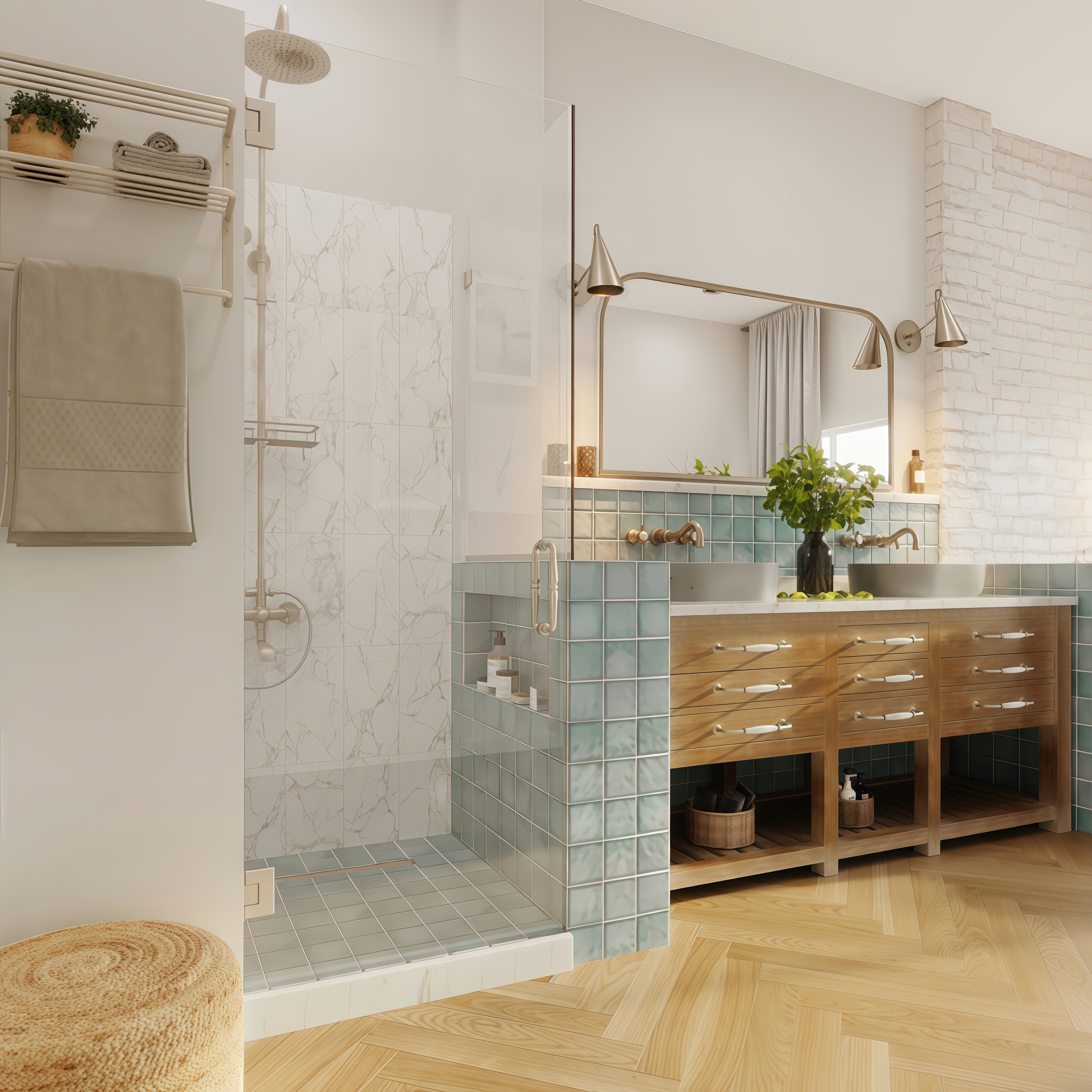
1 Single-Pivot Structure
Structure: Features a solitary main axis of rotation; interior elements contain a steel pivot core and bushing
Benefits: Reliable framework, low failure rate, appropriate for lightweight to medium-weight glass doors (8-10mm)
Applications: Requirements for domestic shower enclosures and lightweight glass door systems
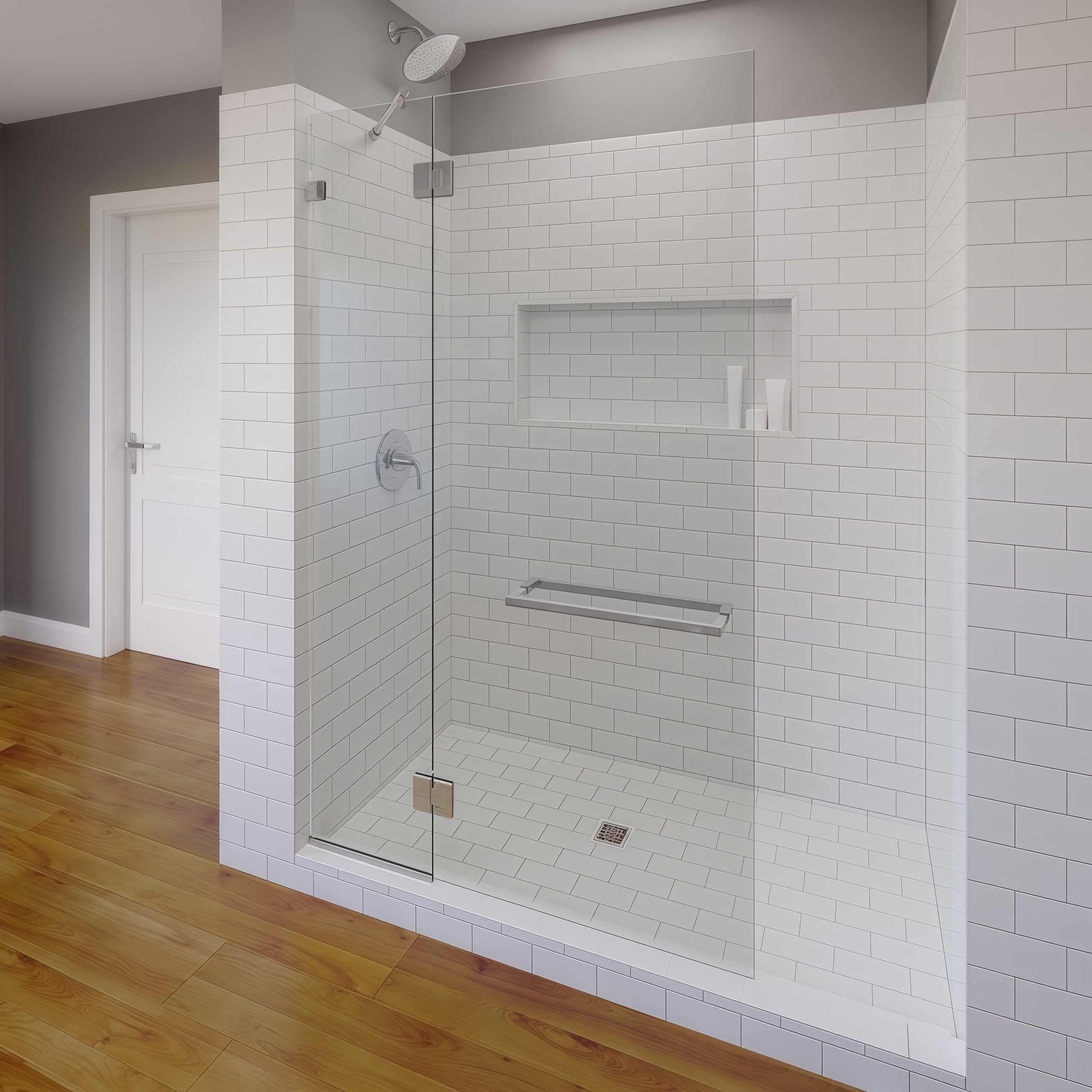
2 Dual-Bearing Structure
Framework: Lots of circulation changes from "factor get in touch with" to "surface contact", integrates steel ball-bearing system
Advantages: Smoother operation, rubbing lowered by roughly 30-50%, high stability, immune to loosening
Applications: Resort shower units, business shower rooms, high-traffic locations
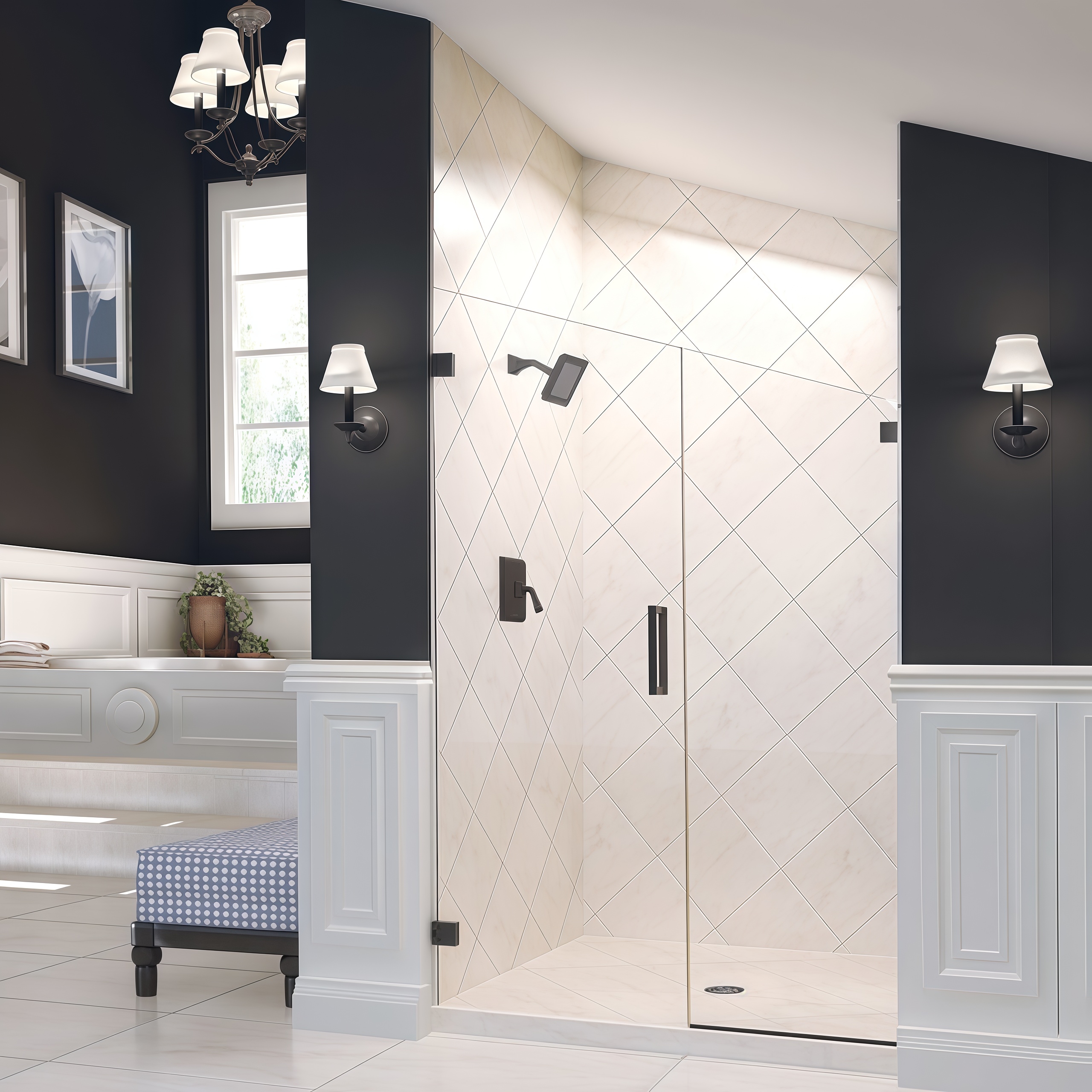
3 Heavy-Duty Reinforced Structure
Framework: Enlarged 304/316 stainless steel body, multi-screw locking system, interior architectural ribbing
Benefits: Load-bearing capacity enhanced by over 50%, high resistance to contortion and lasting sagging
Applications: Large hotel washrooms, industrial public bathrooms, extra-wide glass door layouts
When picking toilet glass joints, the choice can not be made alone from the planned usage circumstance. Initially, consider the glass thickness; next, analyze the regularity of use; then, consider the spatial setting and security and safety requirements to find the best fit. As an example, 8mm glass is a much better fit for a single-pivot framework, while 10mm or thicker glass functions much better with dual-bearing systems. Residential use focuses on basic protection, whereas resorts or high-traffic areas need resilience and a smooth procedure. If wall surface problems are suboptimal, adjustable structures need to be focused on. Practically, this is a treatment of establishing the structural setup based on use demands.
Just how should you pick?
The reasoning can be detailed simply.
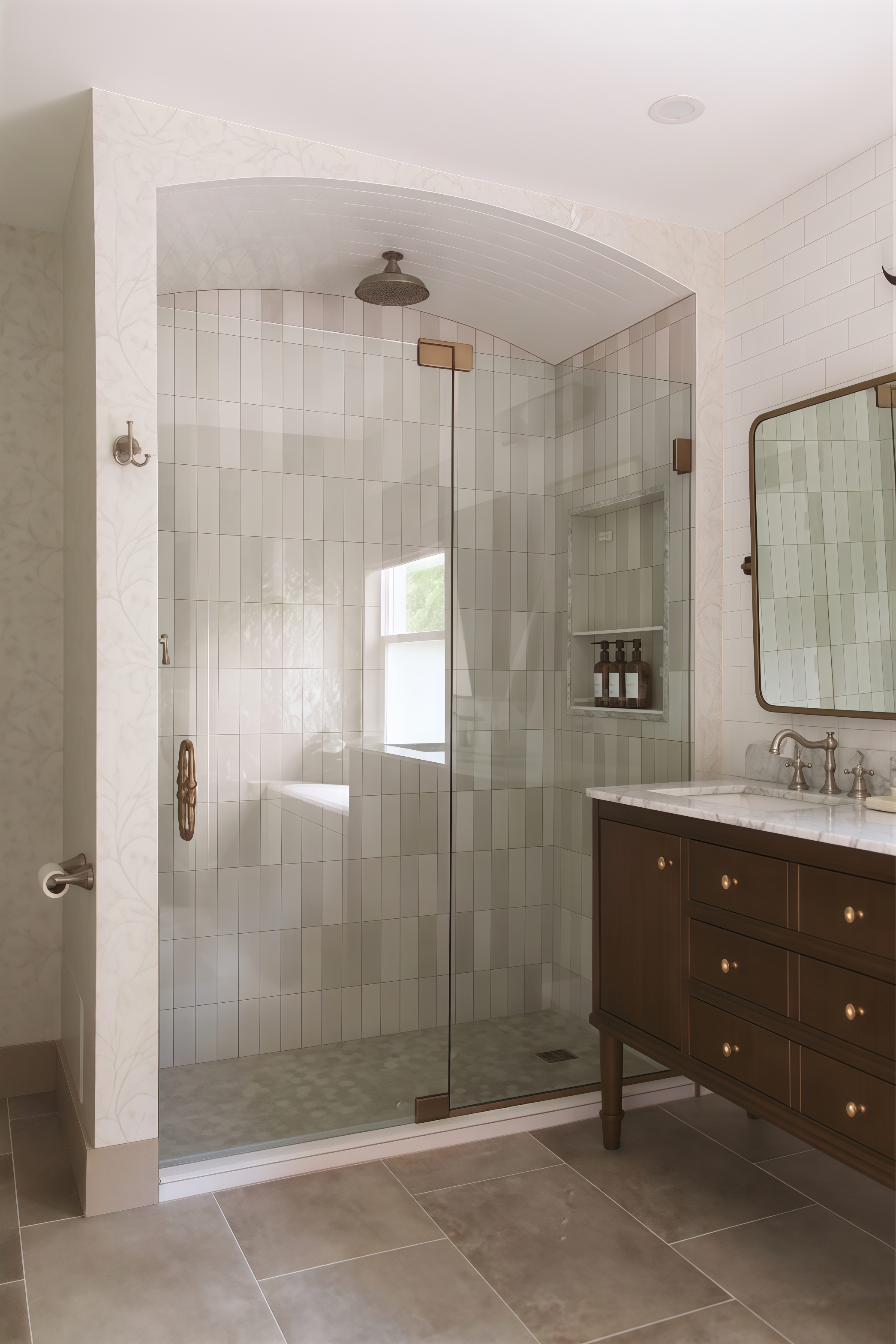
- Take into consideration the glass density
8mm → Single-pivot/standard structure
10mm → Dual-bearing/damped framework
12mm and over → Heavy-duty structure
- Take into consideration the regularity of use
Low-frequency home usage → Single-pivot is adequate
Medium-to-high consistency (over 10 times every day) → Dual-bearing
High-frequency business settings → Sturdy bearing
- Take into consideration the installation ambience
Normal home → Conventional structure
Hotel/Apartment → Dual-bearing
Non-standard walls → Flexible structure essential
- Consider safety and protection demands
Fundamental security → Demand structure
High security and protection criteria → Long-lasting + damping mix
Various structures of washroom glass pivots correspond to unique functional obligations; their architectural design directly establishes the security, life span, and practical feel of the entire glass door. A truly reasonable alternative is not pertaining to pursuing the best needs, yet rather aligning architectural performance with the genuine use atmosphere.
Busrom Team
Marketing Department
Committed To Providing The Highest Quality Indoor & Outdoor Solutions Worldwide.