Which Glass Clamp Angle Is Best for Different Bathroom Layouts?
.png) Busrom Team
Busrom Team- •
- 2 MIN TO READ
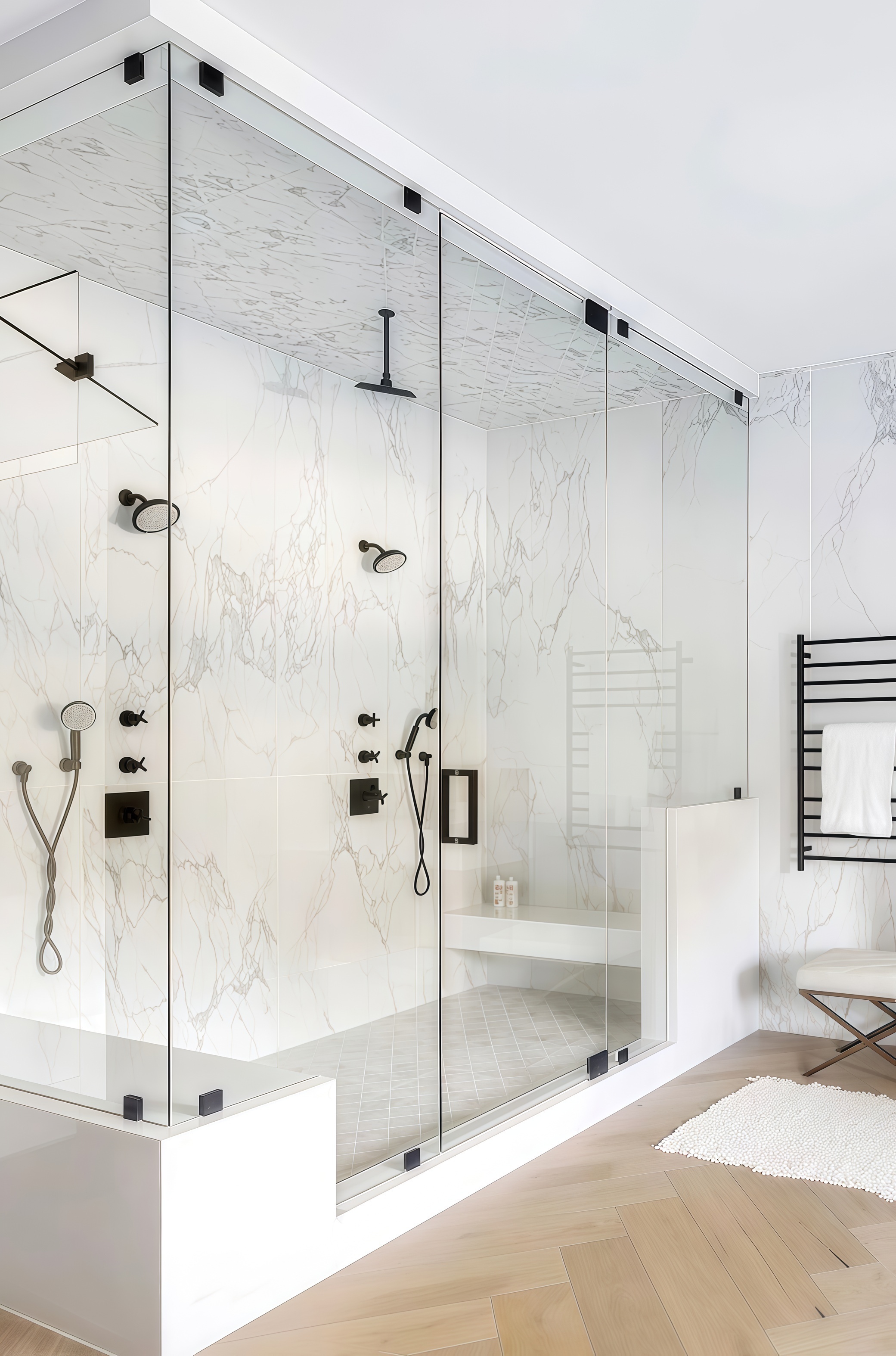
In contemporary restroom design, the "angle classification" of glass clamps is a critical factor affecting building compatibility and overall spatial visual quality. Various angles not only identify how glass panels connect, but also match directly to the information of architectural configurations and installation circumstances. From a design perspective, common angles include 0°, 90°, 135°, and 180°, as well as adjustable and non-standard angles; each has a distinct rationale and a variety of spatial applications.
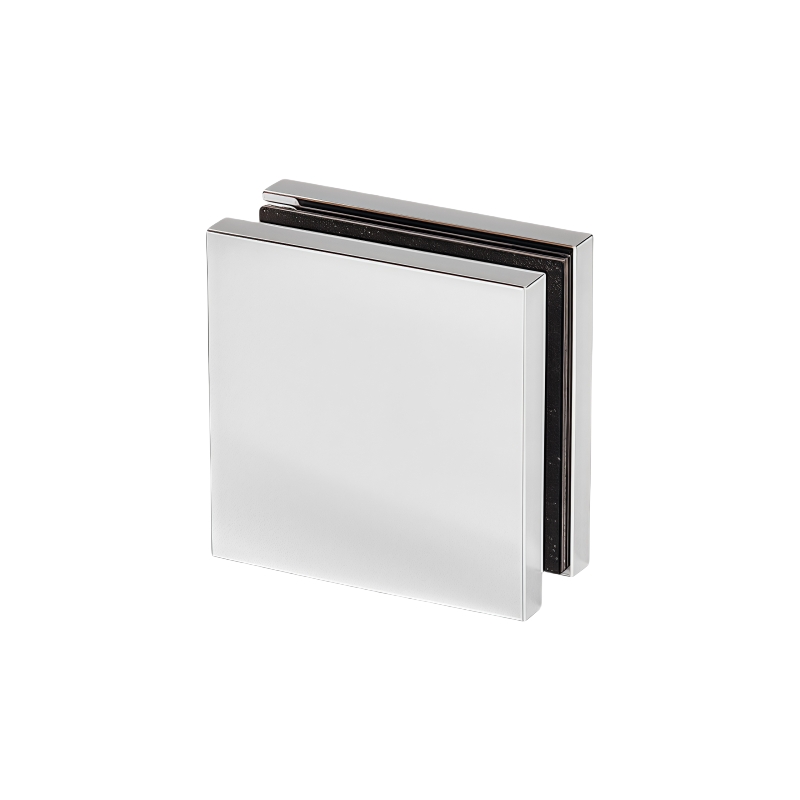
0°Straight-Line Clamp
Typically made use of to safeguard glass panels on the same plane or to connect glass to a wall in a straight line.
- Application: Inline shower screens, direct dividers, bath units, and single-sided wall-to-glass places
- Function: Visually minimalist; blends almost effortlessly with the glass
- Appropriate for: Modern family or resort tasks favouring a "minimal, open-concept washroom" design
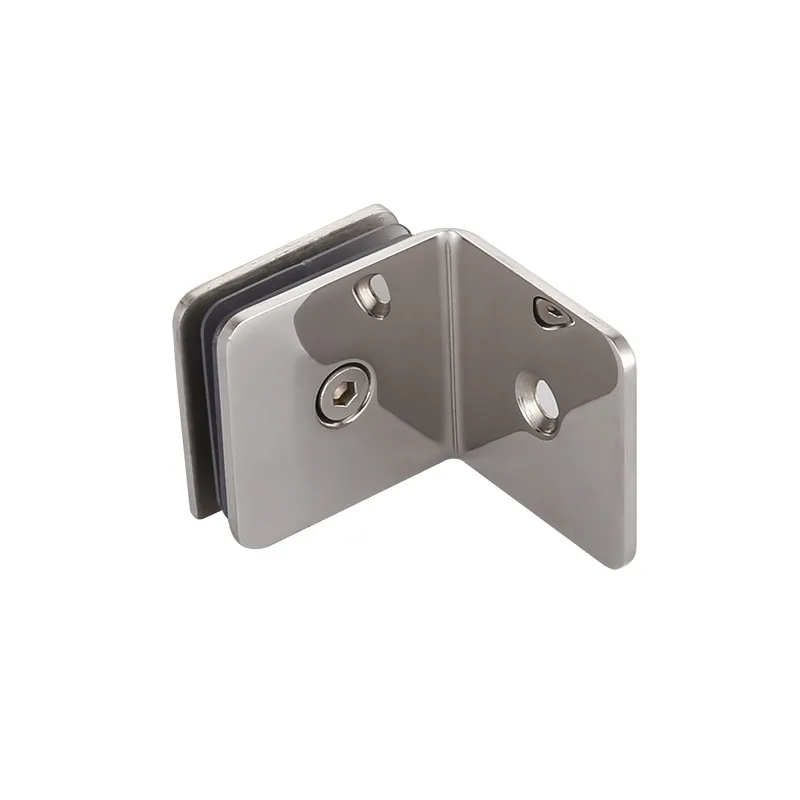
90°Right-Angle Glass Clamp
One of the most extensively used entryway bathrooms is mainly used to connect two glass panels at a vertical (L-shaped) angle.
- Application: L-shaped edge shower enclosures, wall-and-glass edge setups, space-saving formats for portable homes
- Quality: Unique metallic sides, highlights architectural interpretation
- Perfect for: Compact bathroom and standard hotel shower designs
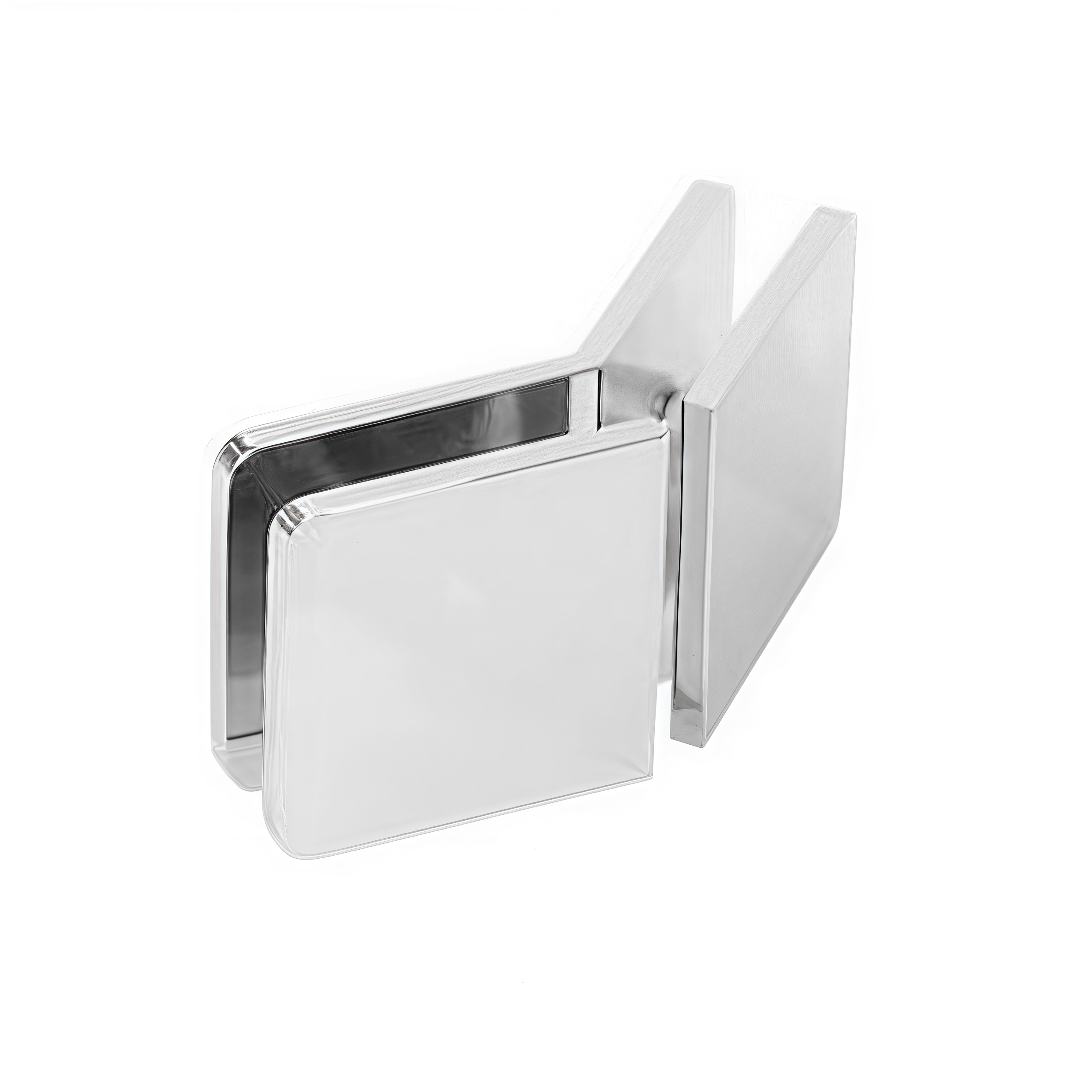
135°Angled Glass Clamp
A design-oriented option, commonly used to affix two glass panels at a broader, a lot more open angle.
- Application: Non-standard polygonal bathroom, distinctly made bathroom areas, and open-concept shower styles with a strong aesthetic focus
- Attribute: Supplies an open, soft visual account that stays clear of a cramped feel
- Common in: Costs homes, shops, hotels, and design-focused houses
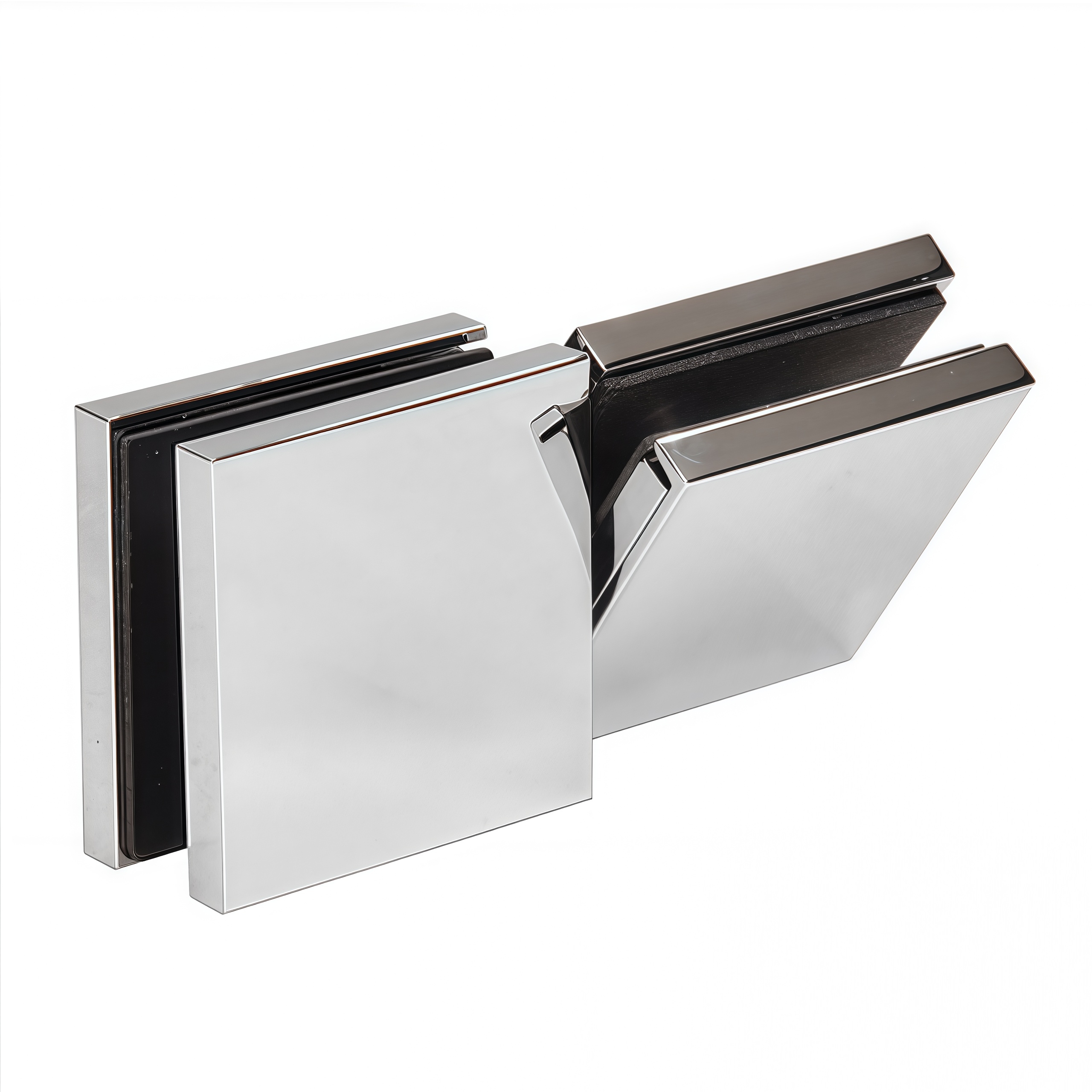
180°Straight-Line Adapter Clamp
Mainly made use of to sign up with 2 glass panels in a continuous, straight expansion along the same straight line.
- Application: Direct walk-in shower display screens, extra-long glass dividers, and constant transparent zoning designs
- Function: Extremely underrated, emphasizing continuity and a sense of openness
- Frequently made use of in spacious bathrooms or high-end service bathroom facilities
In the practical application of washroom glass clamps, the scope of angles expands well past usual setups. As modern-day shower room makes wind up being dramatically more complex and personalized, specialized structural angles and application approaches have emerged. These "cutting-edge angle formats" serve purposes beyond basic link; they proactively form the spatial framework, lots distribution, and aesthetic rhythm of the environment. For instance, the introduction of 105°-110°"soft-angle" clamps permits the glass to fit much more typically with the location's style while creating a softer visual aesthetic.
Angle requirements, in addition, influence the choice of the clamp concerning glass density compatibility. Larger angles usually need wider securing surfaces to disperse stress efficiently, whereas acute or right-angle structures concentrate on safety and security under vertical loads. No matter the angle, 304 or 316 stainless-steel is the recommended product for high-humidity atmospheres to ensure long-lasting rust resistance.
These aspects are no longer merely equipment for joining 2 panes of glass; they are important parts that help in specifying the spatial rhythm. Therefore, choosing the suitable angle in contemporary shower style is not just an issue of installation logistics-- it is a complete choice that incorporates architectural engineering, spatial design, and the user experience.
Busrom Team
Marketing Department
Committed To Providing The Highest Quality Indoor & Outdoor Solutions Worldwide.