How To Choose The Right Glass Railing Clips For A Safe And Durable Frameless Glass Railing System?
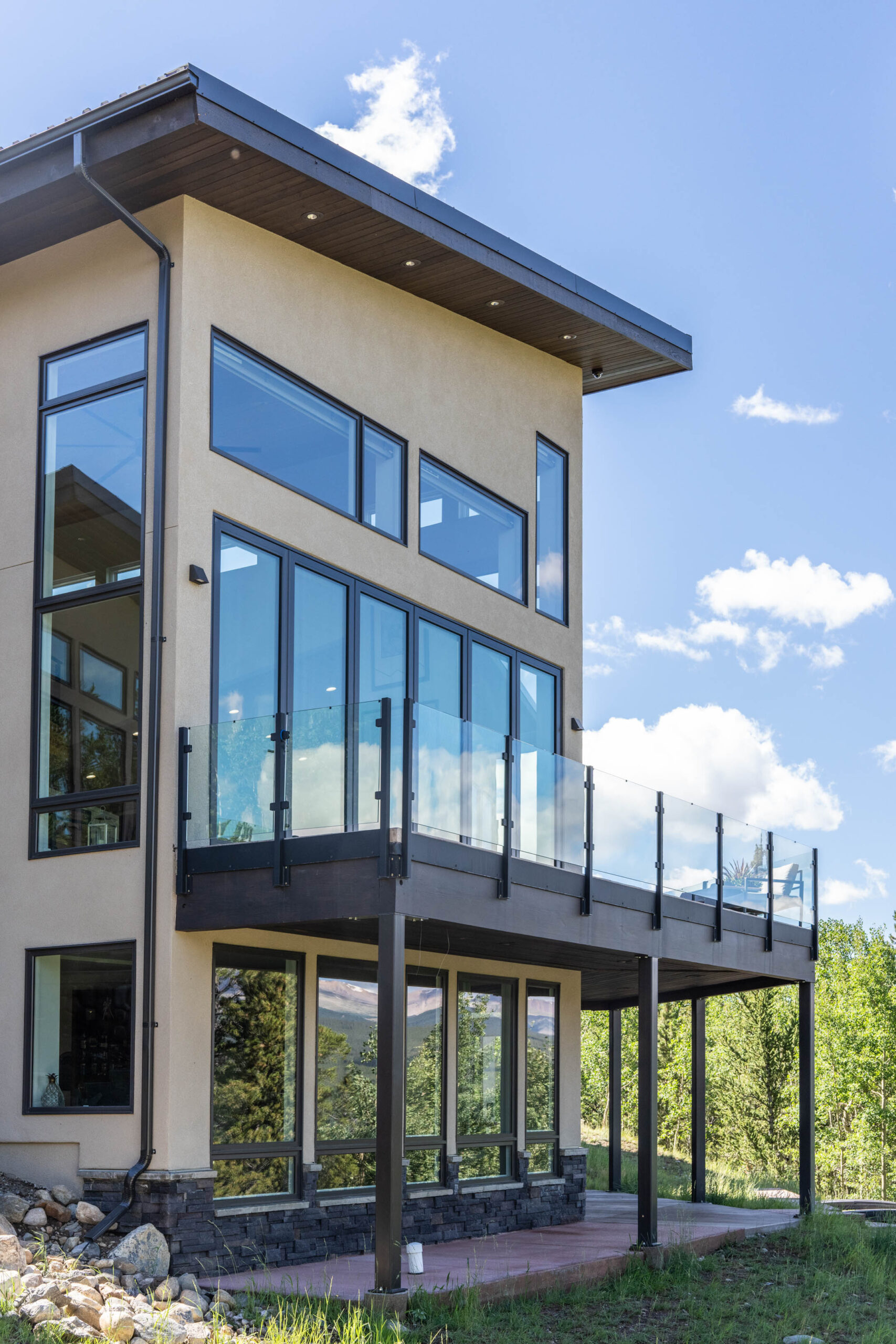
Frameless glass railings give the impression that the glass is standing on its own. In reality, every panel is held by carefully engineered glass railing clips and clamps that transfer weight and wind loads into the structure beneath. These small components are easy to overlook, but they decide how safe the railing is and how clean it looks.
Selecting the right glass railing clips starts with two facts: the thickness of the glass and the load the railing must carry. Everything else, from the finish to the screw pattern, follows from those two numbers.
Where These Fittings Earn Their Keep
- Balconies and Terraces
On a balcony, the panel meets a post or a base plate, and the glass railing clamp carries the full wind load of the sheet. High balconies and exposed corners demand higher load ratings than the same glass height indoors, because the wind pressure grows with every metre of exposure.
- Staircases and Landings
Stairs change direction, which means the fittings must hold an angle rather than a straight line. Adjustable clamps handle the pitch of a frameless glass stair railing and keep the glass line continuous from step to step.
- Pool Fences and Coastal Sites
Chlorine, salt, and UV are the enemies of cheap fittings. A frameless glass pool fencing run or a coastal glass balustrade needs 316 stainless steel and UV-stable gaskets, because the environment attacks the hardware every single day.
The two terms are often used interchangeably, yet there is a practical distinction:
- Glass clips are compact brackets that grip the edge of the glass and anchor it to a wall, post, or base plate
- Handrail glass clamps are larger two-piece fittings that sandwich the panel, often with rubber pads, for a stronger and more adjustable hold
- Both come in fixed and adjustable versions, depending on the mounting angle required
In everyday projects, clips are common where the panel meets a wall or post, while clamps appear where panels connect to each other or to a top rail. For a straight balcony run, a matched set of glass railing clips is often enough. For a handrail with a top rail, the same project needs heavier glass railing clamps at the connection points, which is why the hardware list is drawn up before anything is ordered.
Why Glass Thickness Changes the Selection
Clips and clamps are designed around a specific glass thickness. Most architectural glass railings use 10–12 mm or 12–15 mm tempered or laminated glass, and the hardware must match:
- Measure the actual glass thickness at the edge
- Check that the clamp opening and rubber gaskets fit that thickness
- Confirm the glass railing height and wind exposure to verify the load rating
- Identify the mounting surface, whether steel base plate, concrete, or wood
A glass clamp that is too wide for the glass will not grip evenly, while one that is too narrow puts concentrated stress on the edge. Either way, the panel is at risk. The opening of a glass railing clamp is machined to a stated glass thickness, and reputable manufacturers print that range on the product page. If the clamp opening and the measured glass thickness do not agree, keep looking.
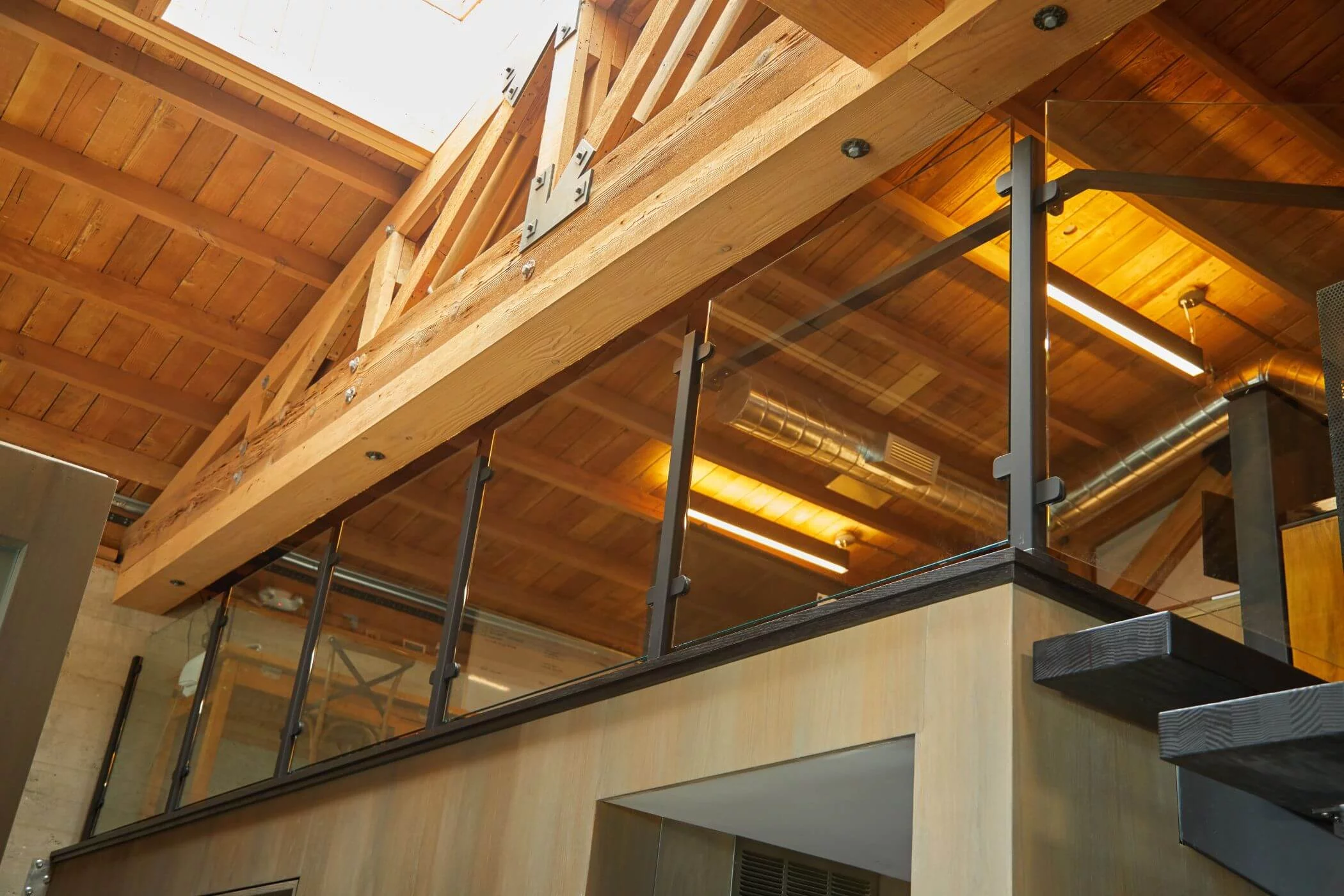
Glass railing hardware is usually utilised in high-traffic areas or outdoor settings. Corrosion resistance is therefore an essential component for guaranteeing long-term endurance rather than just an optional feature. While Grade 304 stainless steel satisfies the criteria for the majority of interior and ordinary outdoor applications, Grade 316 stainless steel is better suited for settings like coastal areas and poolside locations due to its improved corrosion resistance.
The long-term performance of the railing system is influenced by additional accessory components in addition to the primary material. For example, rubber gaskets need to have outstanding UV resistance to avoid ageing or cracking, which could reduce clamping efficacy after extended exposure. Furthermore, precisely machined contact surfaces improve the stability of the connection and reduce scratches on glass edges.
The least expensive hardware components are frequently not the most cost-effective option over time. The safety of the complete railing system may be gradually jeopardised by a corroded glass clamp or a deteriorated connector, even tho these problems may not be immediately apparent. Additionally, later component replacement frequently requires disassembling portions of the railing structure, which raises maintenance expenses.
Glass railing installation determines whether the hardware performs as rated. Clean the glass edges thoroughly before clamping, apply even torque on all screws because over-tightening can chip the glass, use the manufacturer's drill template for base plates, and re-check torque after the first few weeks once the system has settled. Many installers tighten clamps by feel, but a torque wrench removes the guesswork, because even tension across every fitting keeps the glass free of internal stress points. Whether you use glass clips at the base and glass railing clamps at the top rail, the torque routine is identical, and the same silicone gasket care applies to every fitting.
Undersized fittings fail in predictable ways. The clamp loosens slowly as the panel moves, the rubber gasket wears on one side, and the glass begins to rattle in the wind long before anyone notices the hardware itself. In the worst case, a panel shifts out of alignment and puts the entire railing under uneven stress. Choosing a clamp with capacity above the calculated load is not wasteful; it is the difference between a fitting that lasts and one that needs attention every season.
Maintaining A Frameless Railing
Exterior frameless glass railing systems ask more of their fittings than any indoor application. Flush the gaskets with fresh water in coastal areas to remove salt residue, check torque on all clamps twice a year, replace any gasket that has hardened or cracked, and inspect base plates for water pooling around the anchor points. Most railing problems announce themselves early through a loose panel or a squeak in the wind, and a short inspection routine catches those signs while the fix is still a simple adjustment.
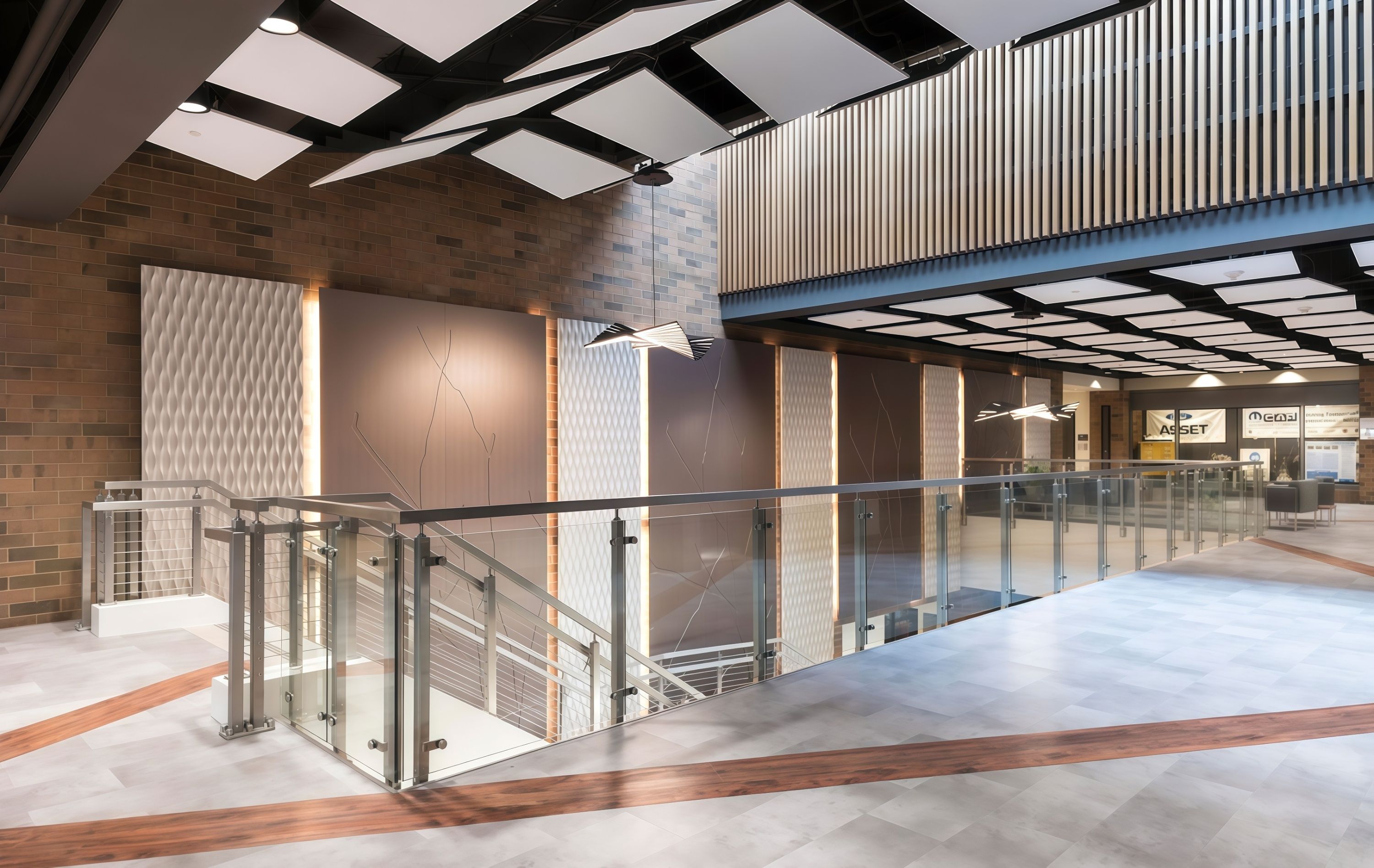
Whether the project relies on compact clips or larger clamps, the same rule applies: the fitting must be matched to the glass and checked on a schedule. A glass handrails system that uses handrail glass clamps for its top connection deserves the same torque check as the base fittings.
Consistency across the whole frameless glass railing system is what keeps a glass balustrade both safe and beautiful for the life of the building. Architects and glass railing contractors who specify the whole set together also avoid the mismatched finishes that plague mixed-supplier projects.
Are Some FAQ? Yes.
Are Glass Railing Clamps Stronger Than Clips?
Glass railing clamps usually carry higher loads because they sandwich the panel with two faces and rubber pads, while clips anchor the edge. For panels over a certain height or in exposed locations, clamps are the safer choice. Both work well when rated correctly, so compare the load rating rather than the name.
What Glass Thickness Do Balcony Railings Use?
Balcony glass railing systems typically use 10–12 mm or 12–15 mm tempered or laminated glass. The fitting opening must match the measured thickness exactly. For high-rise or windy balconies, also confirm the wind load rating of the clamp, because the panel height multiplies the force on every fixing point.
Do Pool Fences Need Different Clips?
A frameless glass pool fencing project needs corrosion-resistant fittings because chlorine and water are constant. 316 stainless steel and UV-stable gaskets are the practical minimum. The mounting style is the same as other fences, but the material spec is stricter, and the gaskets should be inspected more often.
Can You Use Clips on a Stair Railing?
Yes, but a frameless glass stair railing needs adjustable fittings because the angle changes at every step. Adjustable clamps handle the pitch and keep the glass line continuous. Fixed clips work on straight runs only, so stairs are almost always a clamp project.
Glass railing clips and clamps work as a system: match them to the glass thickness, rate them for the load, keep the finish consistent, and check the torque on a schedule. Those four habits keep a frameless glass railing safe and clean for decades.
Busrom's guardrail glass clip series covers fixed and adjustable fittings in 304 and 316 stainless steel for 10–15 mm glass. To understand how clip strength and load transfer work, or to choose the right clamp for a coastal project, start with your glass thickness and panel height, then send Busrom the project details.
The same fittings are described with different names across catalogs: a frameless glass railing system, frameless glass balustrade, frameless glass guardrail, frameless glass fence or glass railing hardware. Whatever the label, the fitting must match the glass thickness and carry the calculated load.