Why Are Hidden Hooks Becoming Essential in Modern High-Traffic Home Spaces?
.png) Busrom Team
Busrom Team- •
- 2 MIN TO READ
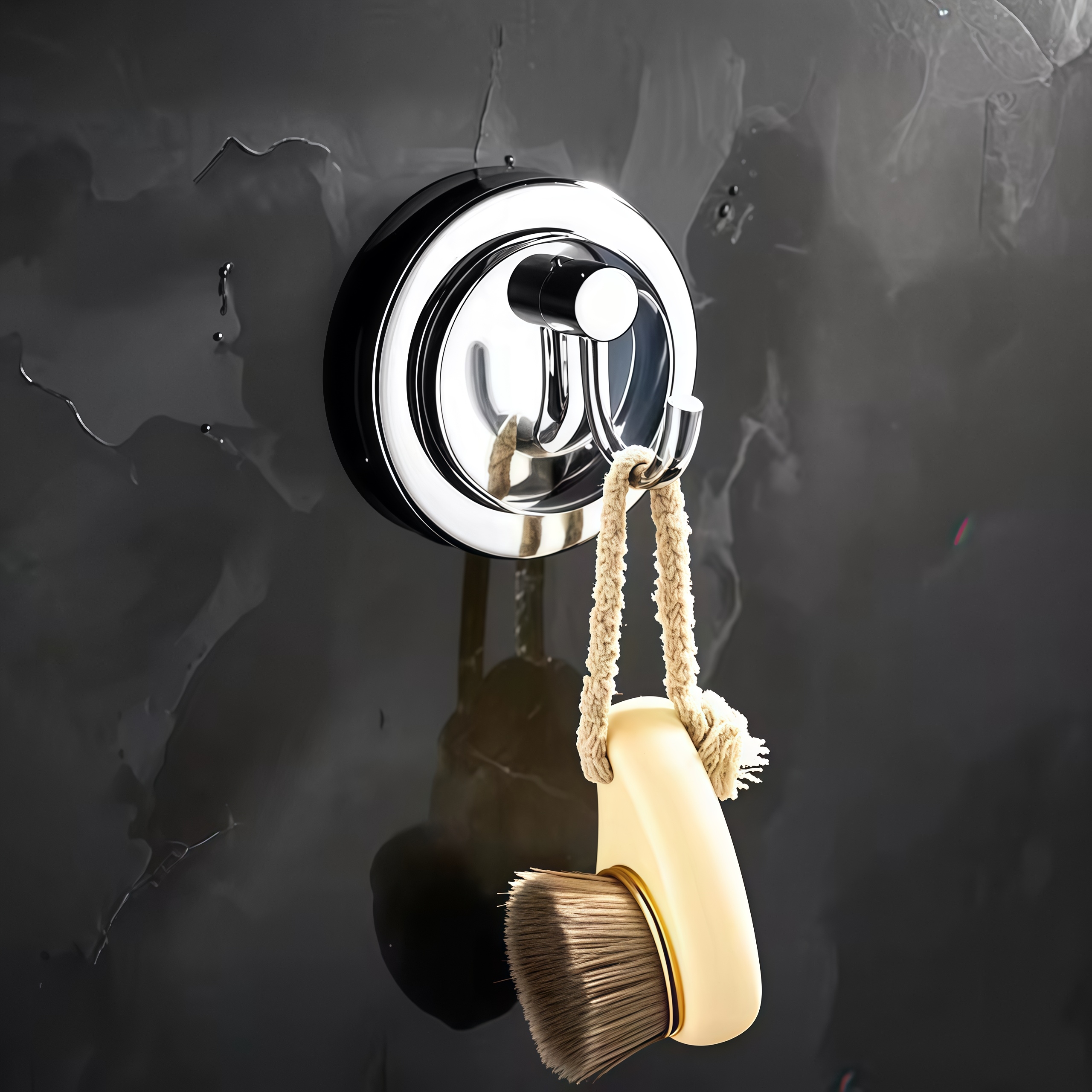
In contemporary spatial style and home equipment systems, the hidden hook has actually advanced from an easy storage space device into a tool for developing "implicit spatial order". With a design that lessens visibility or makes the framework virtually hidden. It flawlessly incorporates the act of hanging items on the wall and furnishings systems, attaining an equilibrium between functionality and visual appeal. These hooks suit a vast array of items, whether it is lightweight keys, day-to-day commuter backpacks, or medium-weight items like cooking area aprons. They supply steady support within their load-bearing limits. It is precisely this convenience across various circumstances that has actually made the undetectable hook a staple item of hardware for constant home usage.
Why is the worth of hidden hooks most evident in high-traffic locations?
The entryway location usually deals with over 70% of a family's "short-term storage" demands, such as hanging up coats, bags, and tricks upon arrival. Typical exposed hooks can produce a visually cluttered look where items appear accumulated; on the other hand, unseen hooks reduce visual breach, offering a sense of order and neatness to the setup of installed things, therefore boosting the perceived tidiness of the entrance by approximately 30% to 50%.
Following is the room. Unseen hooks are frequently mounted on the wall beside the bed or the side of a closet to hold the following day's outfit. This reduces the propensity to haphazardly load clothing on chairs or the bed, developing a cleaner, much more peaceful ambience.
In the kitchen area, installing our stainless steel hooks can change both comfort and looks. Usually used for hanging utensils, aprons, shopping bags, or cleansing tools, they can be placed close to the main workflow, reducing the reach required to access items and increasing day-to-day effectiveness.
Finally, in shower rooms and shower locations, they serve to hold towels and toiletry bags. They maintain reliable functionality even in high-humidity settings while avoiding the visual bulkiness often associated with traditional rack systems.
1 Improve spatial "tidiness"
- Minimize clutter by around 25%-60%.
- Enhance the general sense of sanitation and order.
2 Enhance the "minimalist style language"
- Develop even more unbroken wall surfaces.
- Enhance aesthetic continuity.
3 Improve the area's "sense of breathability"
- Make the space appear "lighter".
- Develop more consistent light representation.
The optimal installation height for hidden hooks typically ranges from 120 cm to 160 cm. This range aligns with the natural reach of the human body, allowing items to be retrieved or hung without the need to stretch upward or bend down, thereby ensuring the smoothest user experience. Additionally, "visual blind spots", such as the wall behind a door, the side panels of cabinets, or wall corners, are prime locations for installing invisible hooks. These spots allow for the utilization of otherwise wasted space without disrupting the primary visual plane, effectively complementing functionality while boosting spatial efficiency.
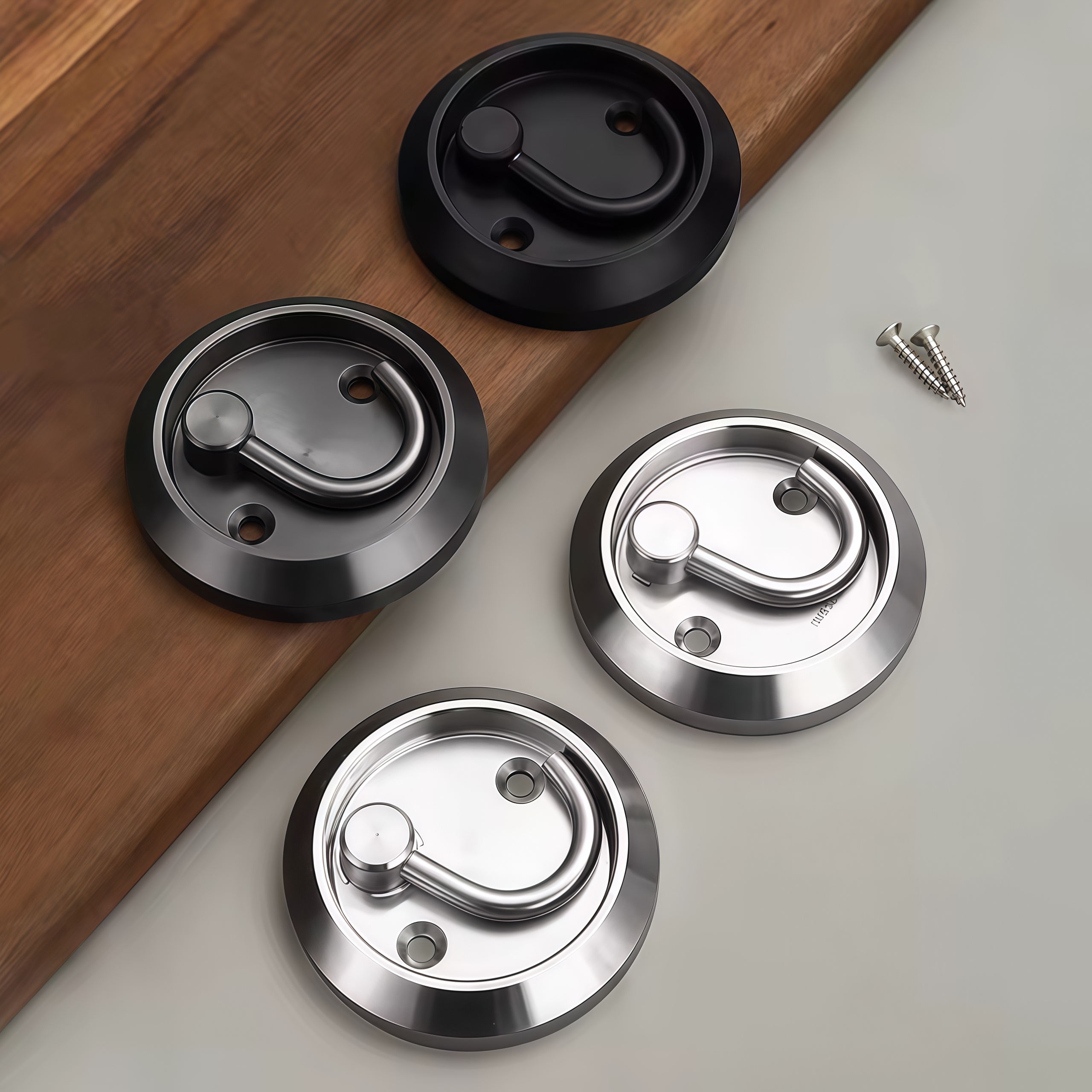
Invisible hooks also demonstrate great functional versatility in balcony and laundry areas. They can be used to hang garments awaiting drying, laundry bags, storage pouches for clothespins, or even lightweight cleaning tools like spray bottles and foldable cleaning cloths. Unlike traditional drying rods or large racks, invisible hooks excel at "targeted supplementation", rather than occupying prime space, they utilize idle areas along walls or appliance edges, creating a more fluid workflow within the laundry area. In compact homes, this type of small-scale, supplementary design can improve spatial utilization efficiency by approximately 15%–25%.
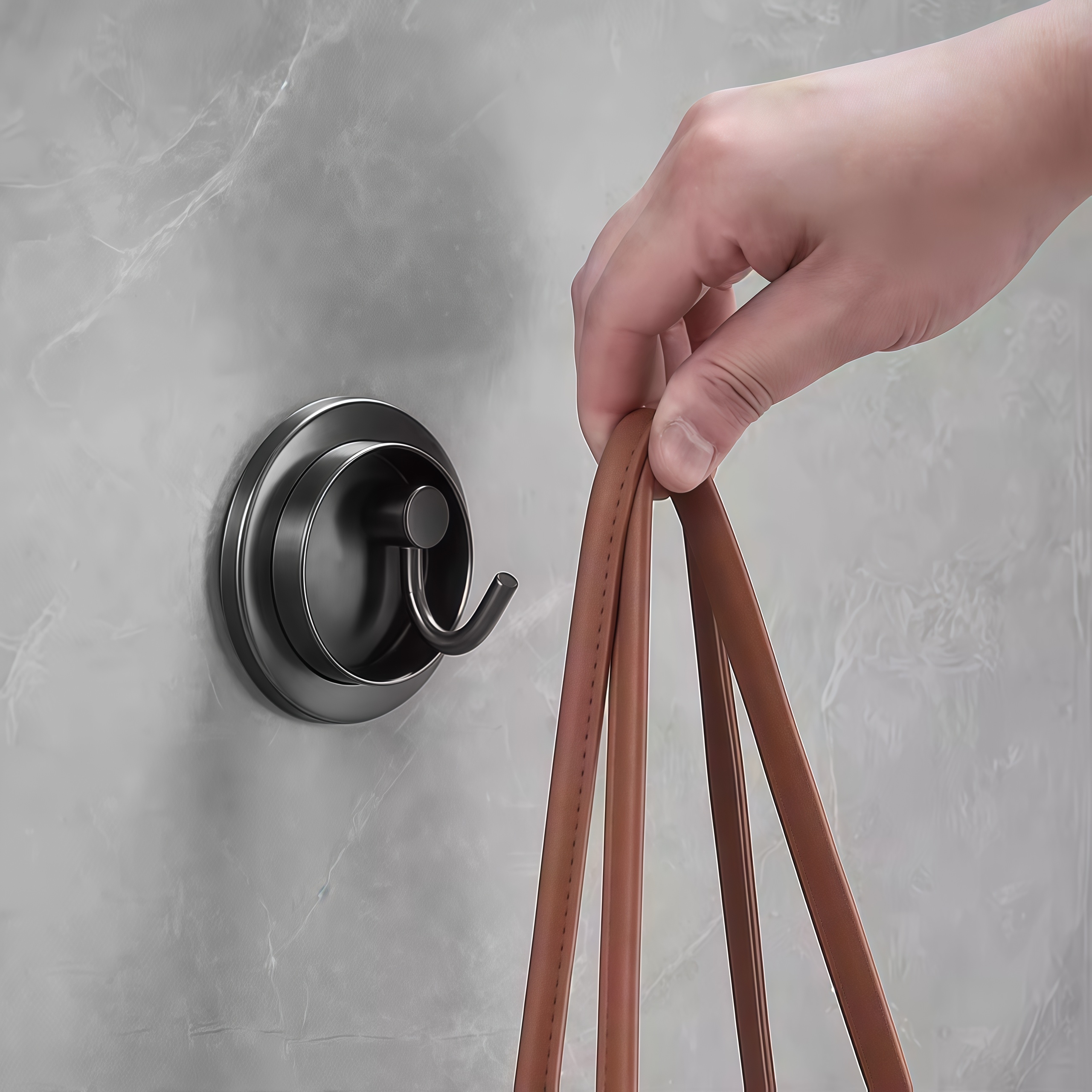
From the perspective of behavioral science, unnoticeable hooks provide an additional, often-overlooked benefit. They lower the "cognitive lots of aesthetic decision-making. When the hook itself is unnoticeable, customers are a lot more likely to use it based on function as opposed to being distracted by the hook's look. In spatial psychology, this layout logic is thought of as a "low-interference storage system". It lessens reluctance, permitting the act of keeping items to occur naturally instead of feeling like a forced or easy task.
The application of undetectable hooks has actually long gone beyond the simple function of hanging clothing. They are advancing into tools that guide spatial actions, allowing day-to-day challenges to exist within a space in a fashion that is a lot more orderly, controlled, and visually pleasing. By connecting functionality, blood circulation performance and visual aesthetics, these apparently minor hardware accessories play a crucial, albeit frequently underestimated, function in the general spatial experience.
Busrom Team
Marketing Department
Committed To Providing The Highest Quality Indoor & Outdoor Solutions Worldwide.