How Often Should Glass Standoffs Be Cleaned?
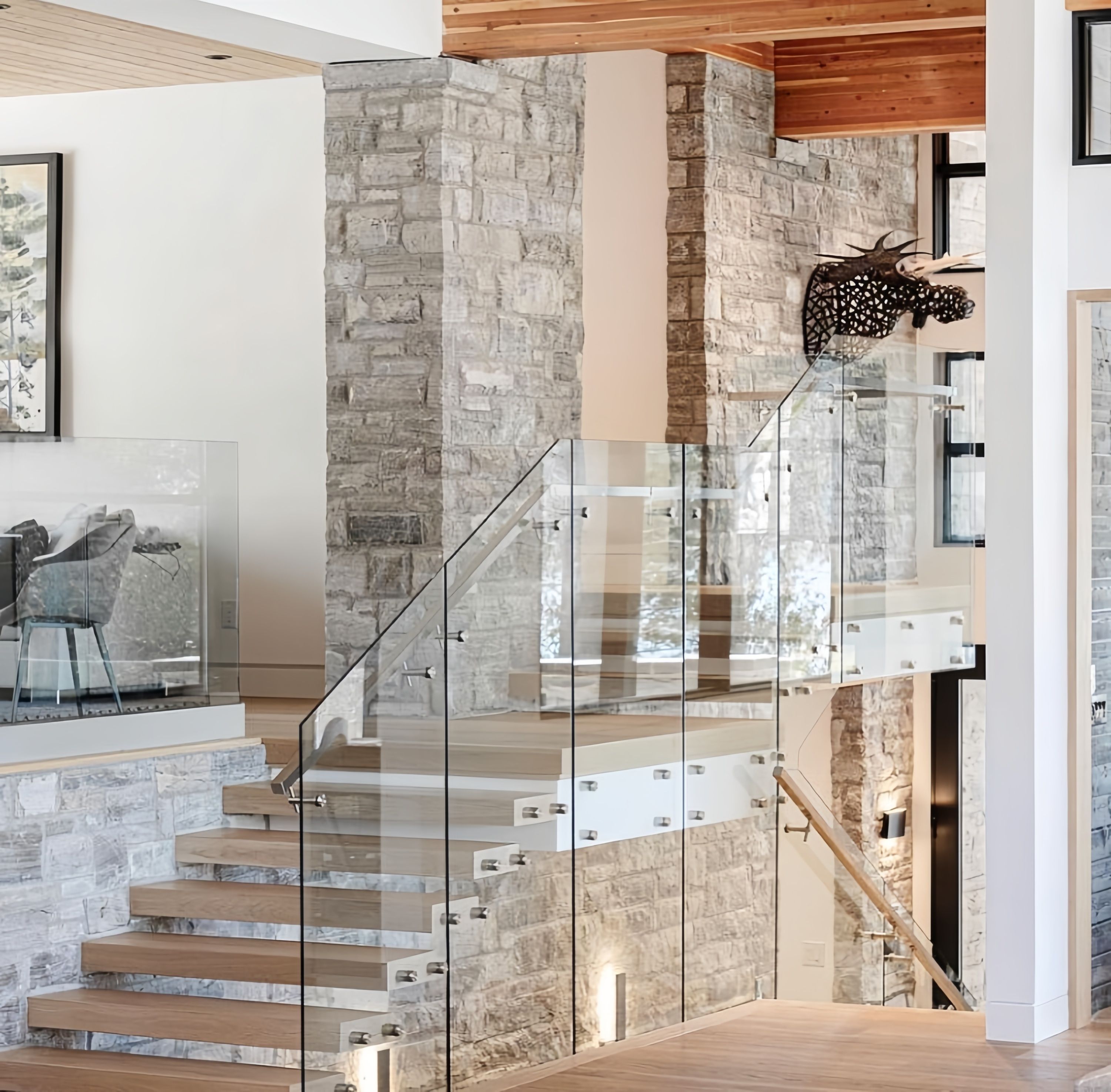
As indispensable hardware components in glass systems, glass standoffs are frequently exposed to air, moisture, dirt, and seaside areas. Consequently, surface sanitation impacts not just the overall aesthetic charm but also directly impacts deterioration resistance, connection security, and service life. While 304 and 316 stainless steels possess outstanding inherent corrosion resistance, they still require regular upkeep.
Industry experience suggests that routine, proper cleaning can minimize surface area grime accumulation by roughly 60%-80%, properly lower the threat of localized deterioration brought on by impurity adhesion, and prolong the item's overall life expectancy by more than 30%.
- Routine Completely Dry Cleaning-- keeps surface areas devoid of dirt and fingerprints
- Warm Water With Neutral Detergent-- a lot more efficient for eliminating oily deposits
- Alcohol Cleaning-- quickly gets rid of fingerprints and light oily movies
- Fresh Water Rinsing-- suitable for outdoor glass barrier systems
For indoor glass standoffs, airborne dirt, fingerprints, and great particles gradually build up on the steel surface daily. Lasting accumulation not only dulls the metal's gloss but can also bring about the formation of gunk layers in moist atmospheres. Microfiber cloths, defined by fine, thick fibers and reduced linting, are excellent for combed, mirrored, and electroplated surfaces. They efficiently catch dirt without scratching the surface. Compared to conventional cotton cloths, microfiber cloths commonly have over 30% higher absorption capability and lessen the redistribution of dust into the air.
When surfaces are stained with oil, water spots, sweat, or kitchen area oil, a completely dry fabric alone is typically not enough for comprehensive cleaning. In such cases, wet cleaning with warm water and a neutral detergent is recommended. Neutral detergents typically have a pH near 7, guaranteeing they do not harm the stainless steel's passive layer or endanger the equipment's surface area finish. Add a small amount of neutral detergent to cozy water, wipe delicately with a soft fabric, wash with fresh water, and quickly completely dry with a clean cloth to successfully stop water spots.
Oils and fingerprints left by fingers tend to be more noticeable on glass railing blog posts featuring premium finishes, such as black, gunmetal grey or champagne gold. In such instances, a non-woven fabric wetted with around 75% alcohol can be used for cleaning. Alcohol vaporizes quickly and leaves little residue, making it very reliable at getting rid of light oily films, cosmetic traces, and sweat marks. A fast wipe of simply a couple of secs is usually enough to restore the metal's original luster. In addition, it provides effective surface cleaning, making it suitable for high-traffic locations such as resorts, office complexes, and elevator entrance halls.
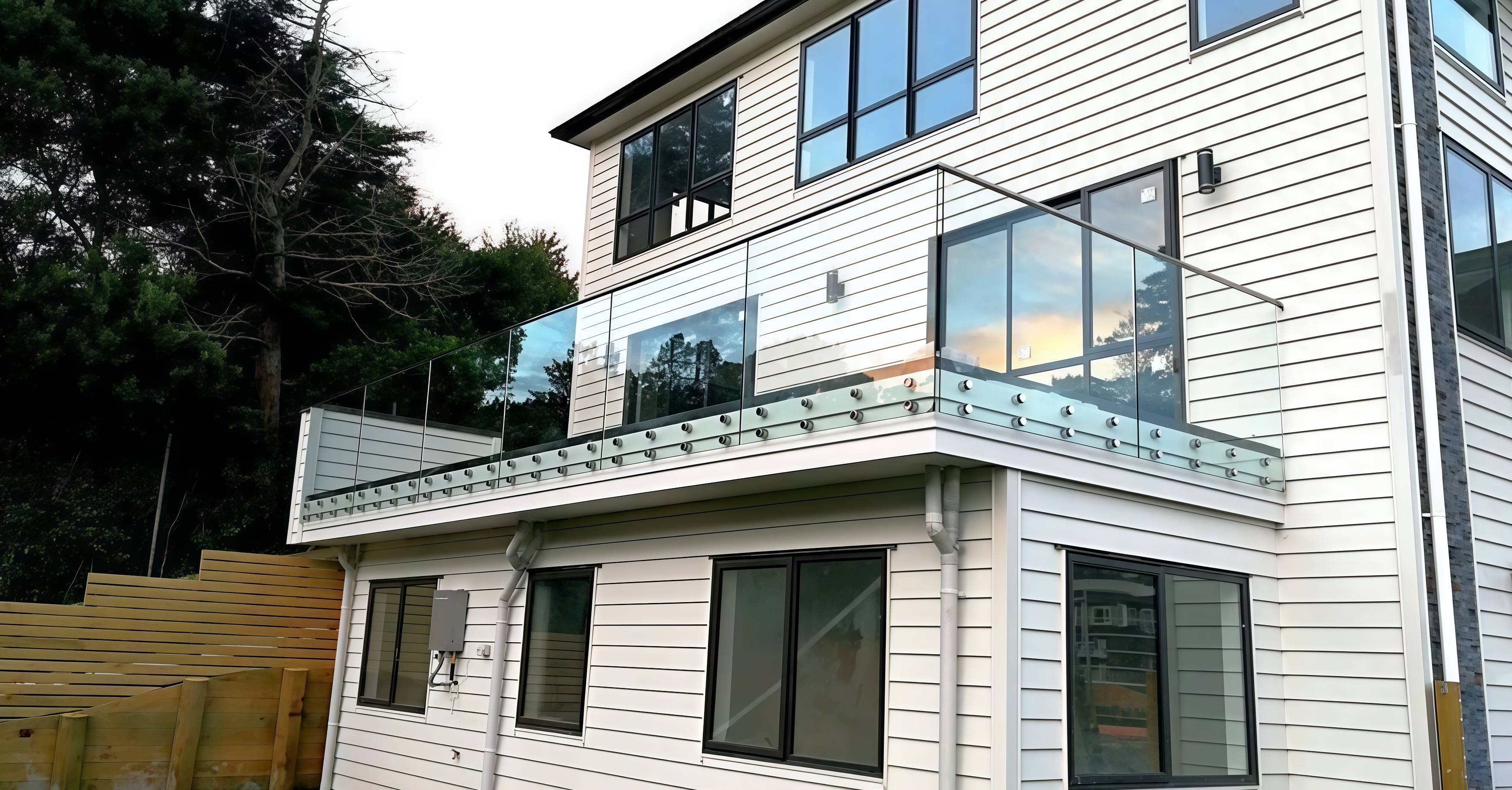
Glass articles installed in outside settings, such as guardrails, porches, terraces, and rental property courtyards or seaside regions, are frequently subjected to rain, dust, pollen, air-borne pollutants, and salt-laden air. For these settings, the messages can be washed directly with tidy water. If essential, use a soft sponge for gentle scrubbing, and then dry with a clean fabric.
Consistent, light maintenance not just protects over 90% of the initial luster of the glass posts over the long term, but also reduces future deep-cleaning prices related to stubborn stains or oxidation accumulation, ensuring the whole glass system keeps an immaculate, high-quality appearance.
.png)
Busrom Team
Committed To Providing The Highest Quality Indoor & Outdoor Solutions Worldwide.