Varför Är De Flesta Glasavståndshållare På Marknaden Gjorda Av Rostfritt Stål?
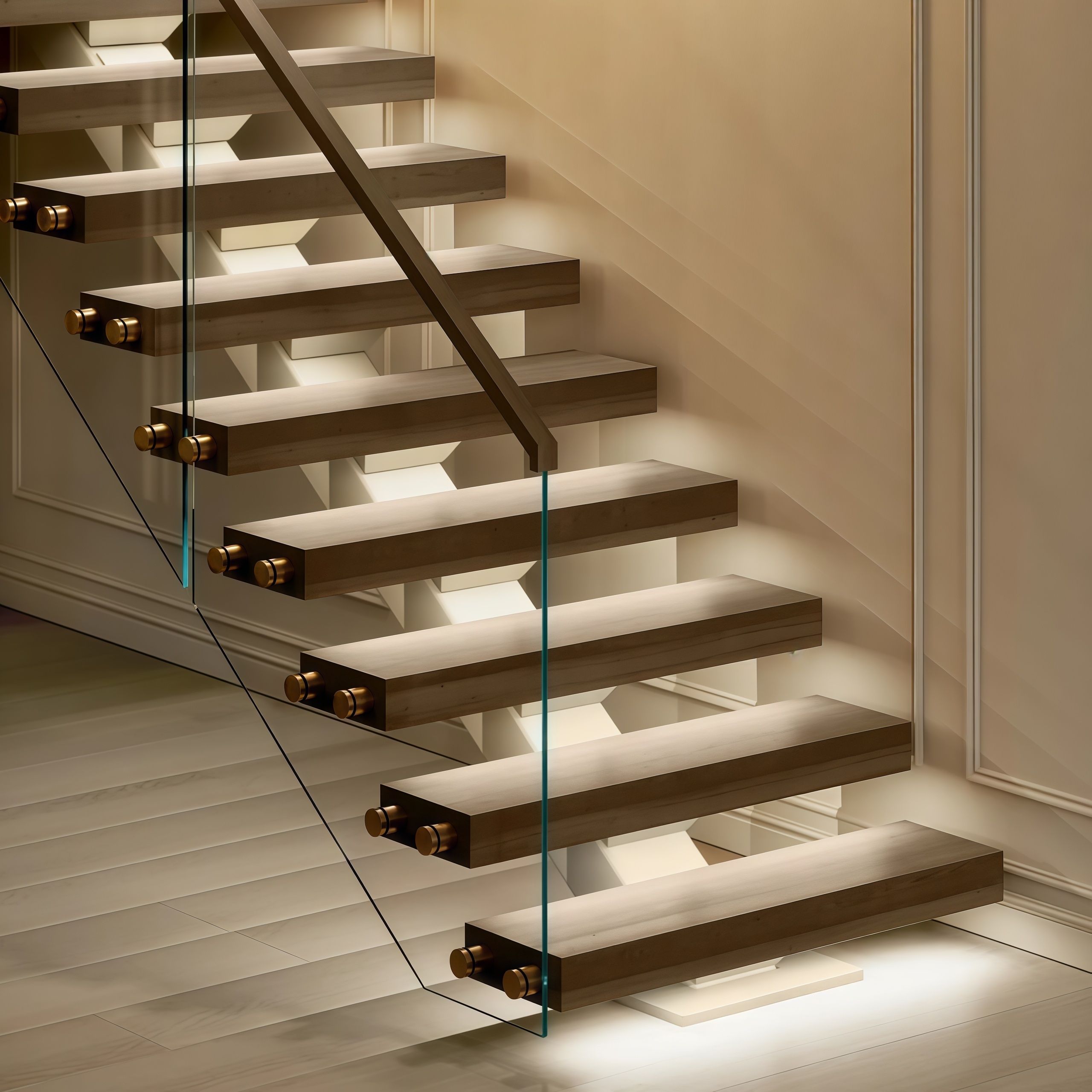
Varför används rostfritt stål i majoriteten av glasräcken på marknaden? Många kanske tror att det bara beror på att rostfritt stål har ett exklusivt utseende och ser bra ut i kombination med glas. I själva verket finns det dock ett antal andra överväganden när man väljer rostfritt stål, såsom långsiktiga underhållskostnader, mekanisk hållfasthet, korrosionsbeständighet, bearbetningsnoggrannhet och miljöanpassningsförmåga. En produkts utseende är bara en faktor när det gäller långsiktig strukturell säkerhet i glas. Mycket viktigare är materialets förmåga att bibehålla stabilitet och pålitlighet under många års användning.
EN glasavstånds huvudsyfte är att hålla glasstrukturen stadigt på plats under lång tid, vilket kräver exceptionell materialhållbarhet. Den största fördelen med rostfritt stål jämfört med vanligt kolstål är dess förmåga att motstå korrosion.
Krom, nickel och molybden är bland de komponenter som finns i den järnbaserade legeringen som kallas rostfritt stål. Den primära faktorn som påverkar dess korrosionsbeständighet är krom. Ett extremt tunt men stabilt kromoxidskyddande lager, känt som en "passiveringsfilm", bildas på materialets yta när kromhalten stiger över cirka 10,5 %.
Trots att det bara är några nanometer tjockt, förhindrar detta skyddande lager framgångsrikt att den underliggande metallen korroderar på grund av syre, fukt och vissa kemikalier. När passiveringsfilmen utsätts för luft kan den självreparera små repor på ytan och bevara den långsiktiga rostbeständigheten.
Å andra sidan gör skador på ytskiktet av vanligt stål det mer sårbart för rost. Detta kan minska den strukturella tillförlitligheten och även försämra utseendet. Rostfritt stål är dock det material man väljer för att skapa glasavståndshållare eftersom det presterar konsekvent under många års användning.
Har tillräcklig styrka för att uppfylla strukturella krav.
304 Rostfritt Stål
- Draghållfastheten överstiger 515 MPa, vilket uppfyller de dagliga belastningskraven för glasavståndsfästen.
- Sträckgränsen är mer än 205 MPa, vilket effektivt motstår deformation orsakad av långvarig belastning.
- Cirka 40 % töjning indikerar stark slagtålighet och seghet.
- Hårdheten ligger vanligtvis mellan HRB 70 och 90.
316 Rostfritt Stål
- En stabil strukturell bärförmåga tillhandahålls av en draghållfasthet över 515 MPa.
- Långsiktig strukturell stabilitet säkerställs genom en sträckgräns som överstiger 205 MPa.
- Vid yttre tryck kan töjningen uppgå till cirka 40 %, vilket ger god dämpningsförmåga.
- Hårdheten ligger normalt mellan HRB 70 och 95.
Varför är då hållfasthetssiffrorna för dessa två varianter av rostfritt stål så jämförbara?
Den främsta förklaringen är att molybden tillsätts i 316 rostfritt stål, vilket ger det bättre motståndskraft mot kloridjonkorrosion och gör det lämpligt för tuffare förhållanden. Därför är 304 rostfritt stål vanligtvis tillräckligt för tillämpningar som glasavståndshållare i typiska inomhusmiljöer, kommersiella områden eller bostadstrappor. 316 rostfritt stål ger dock ett bättre långsiktigt värde för mycket korrosiva miljöer, som byggnader vid havet, simbassänger eller exklusiva utomhusprojekt.
Rostfritt ståls metalliska glans och glasets transparens, lätthet och modernitet utgör en perfekt kombination. Rostfritt stål har en utmärkt finish och kan bearbetas för att skapa en mängd olika estetiska effekter, till skillnad från vanligt stål som behöver extra ytbehandling.
- Ett sofistikerat och elegant kommersiellt utseende skapas genom att kombinera transparent glas med distanser i rostfritt stål med spegelblank finish.
- Användningen av distanser i borstat rostfritt stål med ultraklart glas kompletterar en modern minimalistisk design.
- Transparent glas och svarta distanser i rostfritt stål förbättrar den arkitektoniska känslan av djup och linjer.
Den initiala kostnaden för att köpa avståndshållare för skyddsräcken i glas kan minskas om vanliga metaller används. Ytterligare behov som ytunderhåll, ommålning, rostborttagning och utbyte av komponenter kan dock öka. Därför bör långsiktiga underhållskostnader beaktas vid val av byggmaterial utöver det ursprungliga inköpspriset.
Nu vet du varför rostfritt stål är det föredragna materialet för de flesta glasavståndshållare?
Rostfritt Stål används ofta eftersom det ger den perfekta blandningen av strukturell integritet, säkerhet, hållbarhet och designestetik, utöver sitt attraktiva utseende.
Den erbjuder enastående korrosionsbeständighet vad gäller prestanda, vilket garanterar långsiktig användbarhet. Den är strukturellt stark och hållbar nog för att garantera en stabil glasinstallation. När den används med glas ger den ett elegant, modernt och exklusivt visuellt utseende ur ett designperspektiv. Ekonomiskt sett är de långsiktiga underhållskostnaderna lägre även om den initiala kostnaden är högre än för vanliga material.