Which One Is The Better Choice For Frameless Glass Railings?
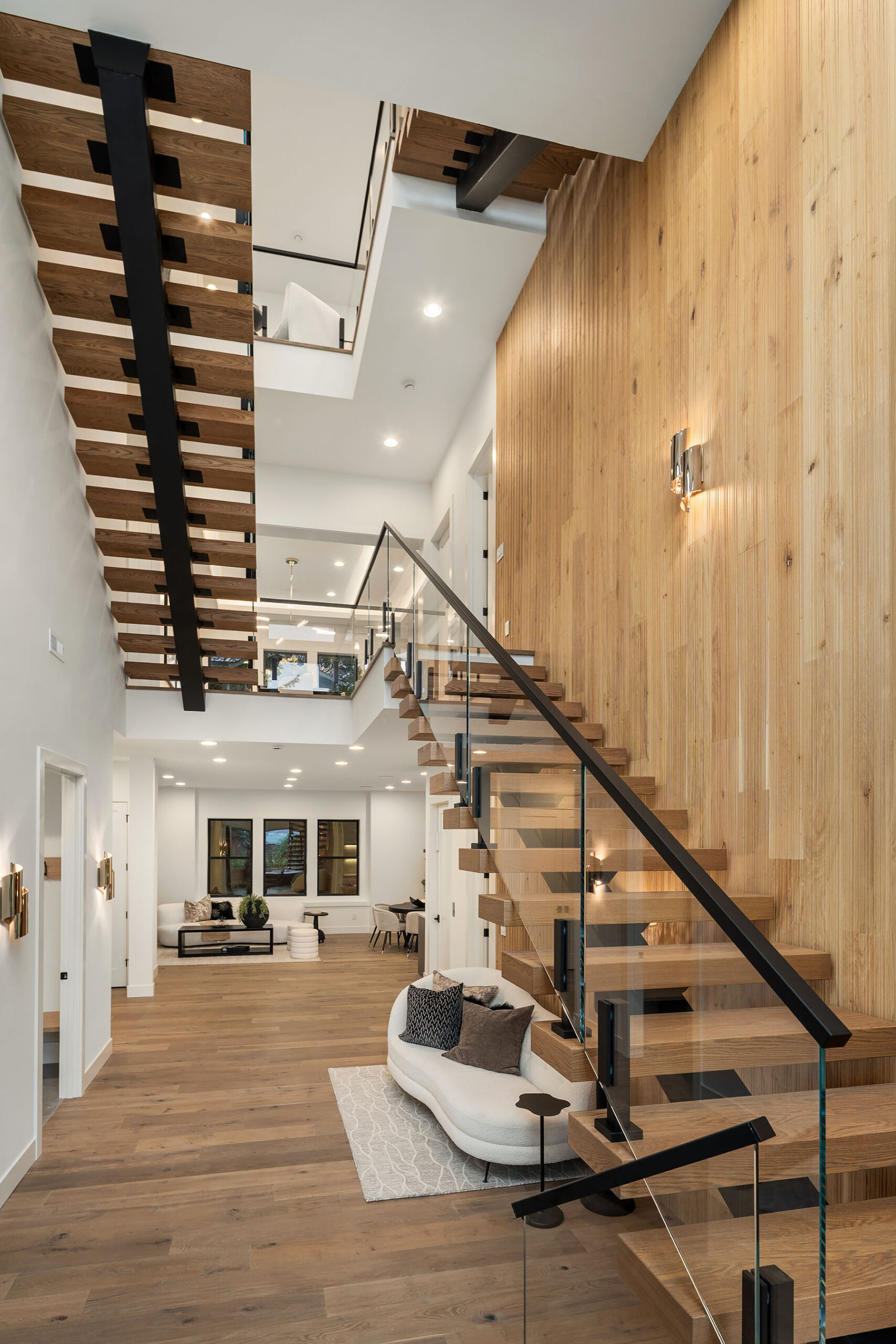
Many consumers may be perplexed when they first come across these two categories of goods. Why does the market differentiate between glass spigots and glass clips when the ultimate objective is to secure the glass? Is the less expensive choice adequate? Which is the best option for a frameless railing? For my project, which should I choose?
In the end, the decision is based on whether the hardware satisfies the safety, stability, and aesthetic requirements of the guardrail system rather than just whether it can secure the glass.
Although both glass fence spigots and glass clamps are frequently used hardware parts for glass railings on interior stairs, their load-bearing mechanics, installation techniques, and aesthetic effects are very different. To put it simply, glass railing clamps are more suitable for auxiliary support and lighter-duty frameless glass installations, whereas glass spigots are better suited for independent, load-bearing frameless railing systems. Although both are suitable for frameless railings, their best uses are different.
The goal of frameless railings is to reduce the visual hindrance that comes with conventional posts and frames so that the glass can continue to be as transparent and unbroken as possible.
Why are glass panel spigots becoming the most popular option for frameless railings?
By securing the glass from the bottom, the hardware hides a large portion of the structural hardware, giving the piece a cleaner, more minimalist appearance. Instead of a structure divided by several metal connection points, a railing that uses it displays to the observer a continuous field of glass. For this reason, glass fence spigots are frequently preferred in upscale residential, hotel, swimming pool and landscape projects.
Why do frameless railings also utilize glass clamps?
Some customers may believe that glass panel clips have no benefits because spigot glass provides more stability. In actuality, though, glass clamps provide a more adaptable installation method. Clients might not need sophisticated load-bearing systems for smaller projects. Rather, they place a higher priority on cost-effectiveness, convenience of installation, and straightforward post-installation modifications. Glass clamps provide clear benefits in these situations.

Where is each kind usually utilized?
Glass Spigot
- Projects that prioritize aesthetics include contemporary homes, villa terraces, and manicured areas.
- Outdoor tasks where the hardware must endure weathering and exposure to the elements for long-term stability.
Glass Clamp
Indoor glass stair railings, small glass balconies panel, and ornamental barriers are examples of settings with lower profiles, less load requirements and more stable conditions.
A crucial aspect of glass clips' applicability for smaller, more stable applications is often overlooked by consumers. Why large-scale frameless interior glass railing may not be the best fit for glass clips. The following is a summary of the distinction.
- The concern, "How can the frameless railing remain stable over the long term?" is addressed with glass spigots.
- The question, "How can the glass be secured quickly and flexibly?" is addressed by glass fasteners.
The load-bearing mechanism of glass fence clamps is their main drawback. External pressures applied to the glass are concentrated at the contact points between the clamp and the glass, since the clamp relies on localized clamping to handle pressure. The glass may wobble slightly if there are not enough guardrail glass clamps or if the installation spacing is too large.
Post spigot, on the other hand, uses a bottom-support structure. The support directly bears the weight of the glass, transferring it to the foundation or floor. The stability requirements of large-scale railings are better met by this load path, which is more straightforward.
From your point of view, selecting between handrail spigot and glass to glass clamp involves more than just buying a railing addition. It involves figuring out how the entire project will be used in the future. If the project environment, frequency of use, and long-term maintenance requirements are ignored in favor of concentrating just on the initial procurement expenses. Later on, you could have to pay more for replacements or changes.
A great railing system needs to strike a balance. Despite their light appearance, they are dependable in use. For this reason, the choice of hardware systems is becoming more and more important in high-end projects. True quality is found in the subtleties that guarantee stability over many years of usage rather than just on the surface.