Why Architects and Contractors Prefer 316 Stainless Steel for Coastal Glass Railings?
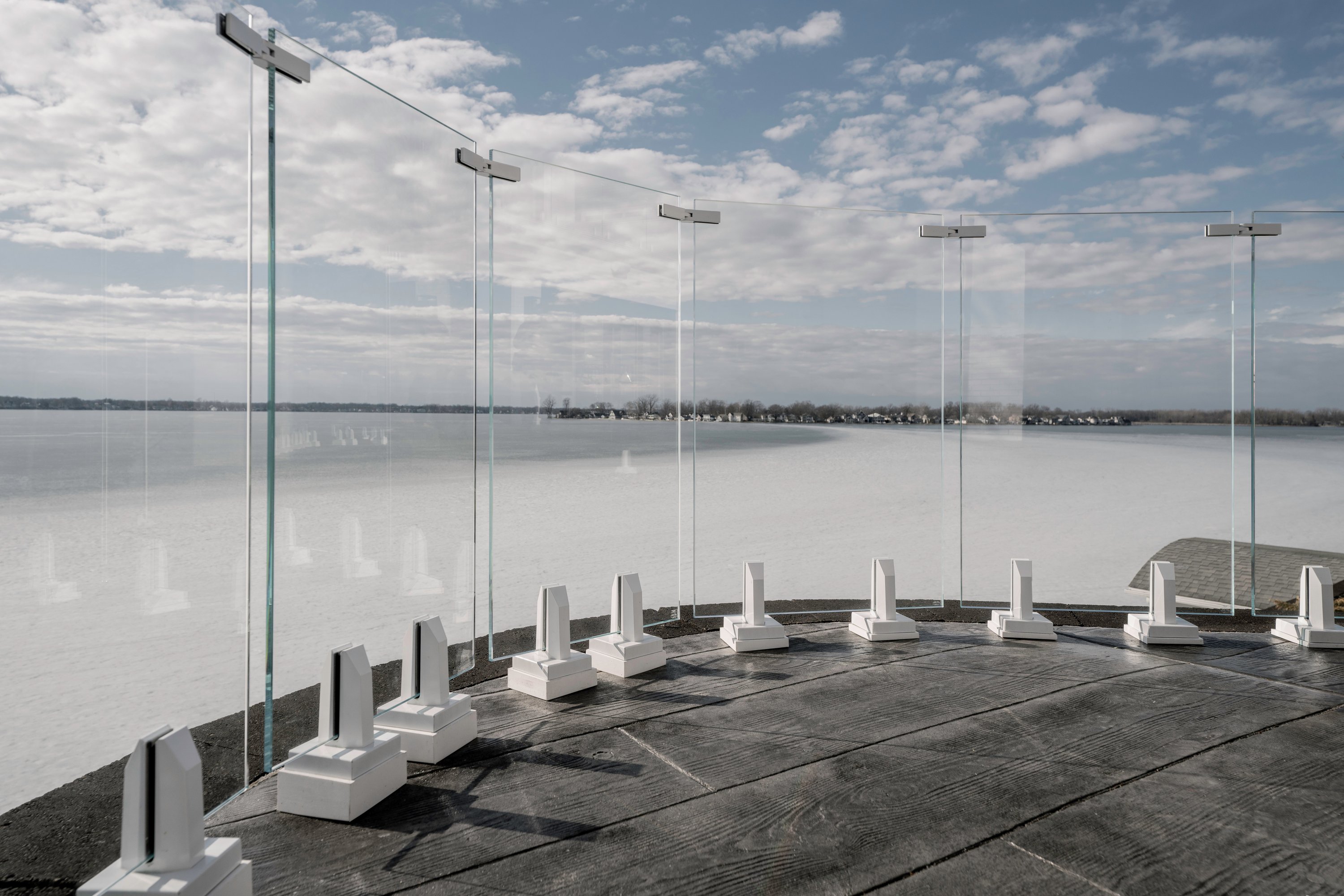
In seaside building projects, glass fencing spigots operate in extremely harsh settings. Variables such as high salt spray, high humidity, intense UV radiation, and regular exposure to wind and rainfall combine to speed up the deterioration of metal products considerably. Subsequently, market criteria usually advise or even mandate the use of 316 stainless steel over typical 304 stainless steel or other materials. This selection is not simply a matter of expense. It is a methodical decision based upon material toughness and architectural safety.
The impact of coastal settings on glass panel brackets is not caused by a single variable but by the advancing effect of numerous conditions.
- Salt Spray Rust
Swing activity and water evaporation release large quantities of salt into the air, producing invisible salt spray particles that continually adhere to the surfaces of glass spigots.
When air humidity surpasses 70%, the salt takes in moisture from the air, creating a conductive fluid film that increases electrochemical deterioration.
- High-Humidity Environments
Coastal locations commonly preserve humidity levels between 75% and 95% year-round. This relentless moisture implies the metal seldom dries completely.
Also, in the absence of rainfall, moisture accumulation permits corrosion reactions to continue unmitigated.
- Diurnal Temperature Fluctuations & UV Exposure
Coastal areas commonly experience lengthy hours of sunlight. Steel undergoes cycles of intense daytime warmth followed by nighttime cooling, leading to thermal expansion and contraction. This process can develop micro-cracks, permitting salt to permeate the material and trigger internal deterioration.
- Influence of Typhoons and Strong Winds
Glass barriers rely on more than just the glass itself to withstand wind stress. If the material does not have sufficient corrosion resistance, rust can spread inward, ultimately jeopardizing the stability of the installation and fastening systems.
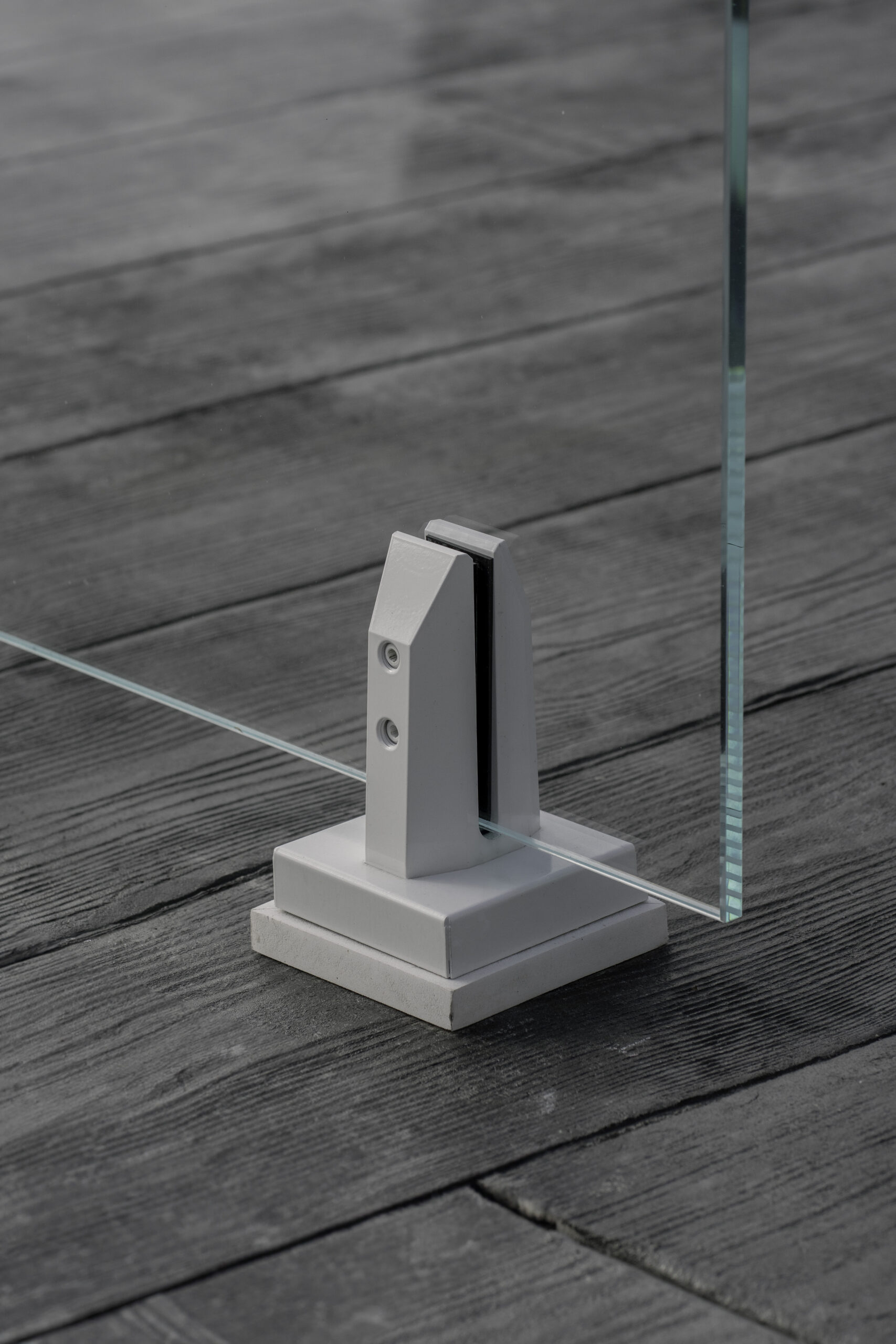
So, why is 316 stainless steel a better fit for seaside settings?
The key benefit of 316 stainless-steel lies in the addition of around 2% to 3% molybdenum, an aspect that significantly boosts the metal's resistance to corrosion triggered by chloride ions. Chloride ions, originating from the salt in sea air, are the leading reason for corrosion in these settings. While wetness in normal air does not drastically wear away stainless-steel, the presence of significant salt material causes salt to adhere to the steel surface, developing an electrolyte film that speeds up localized corrosion. 316 stainless steel forms a much more secure and thicker passivation layer, making it challenging for chloride ions to pass through the metal surface and thereby effectively reducing the risk of rust.
▁ ▁ ▁ ▁ ▁ ▁ ▁ ▁ ▁ ▁ ▁ ▁ ▁ ▁ ▁ ▁ ▁ ▁ ▁ ▁ ▁ ▁ ▁ ▁ ▁ ▁ ▁ ▁ ▁
Utilizing 316 stainless steel for glass barrier clamps offers the following benefits:
- Superior Resistance To Pitting Corrosion
- Longer Service Life
- Long-Lasting Aesthetic Allure
- Minimized Maintenance Frequency
▁ ▁ ▁ ▁ ▁ ▁ ▁ ▁ ▁ ▁ ▁ ▁ ▁ ▁ ▁ ▁ ▁ ▁ ▁ ▁ ▁ ▁ ▁ ▁ ▁ ▁ ▁ ▁ ▁
What are the effects of using glass panel brackets made from substandard materials?
- Quick surface rusting might happen within months to a couple of years after installation, detracting from the building's appearance.
- As salt collects, tiny areas of pitting can spread internally, enhancing the threat of local architectural failure.
- Electrochemical corrosion readily takes place in humid, salty environments, resulting in rusted or damaged bolts and tough repair services.
- Although the initial expense of 316SS is more than that of 304SS, the cost difference is commonly offset by reduced upkeep expenses over the product's lifecycle.
From a complete lifecycle expense perspective, choosing 316 stainless-steel is actually the more cost-effective option. Regardless of the slightly greater initial procurement expense, the advantages, such as lowered upkeep frequency, prolonged lifespan and stable structural performance, significantly reduced lasting operating expenses. This is especially true for jobs with high requirements for safety and aesthetics, such as hotels, seaside rental properties, and commercial observation decks. Updating the product grade directly guarantees consistent task quality and stands for a choice that stabilizes safety, quality and long-term roi.
.png)
Busrom Team
Committed To Providing The Highest Quality Indoor & Outdoor Solutions Worldwide.