Creating The Structural And Visual Benefits Of Frameless Elegance
Busrom Team
- •
- 3 MIN TO READ
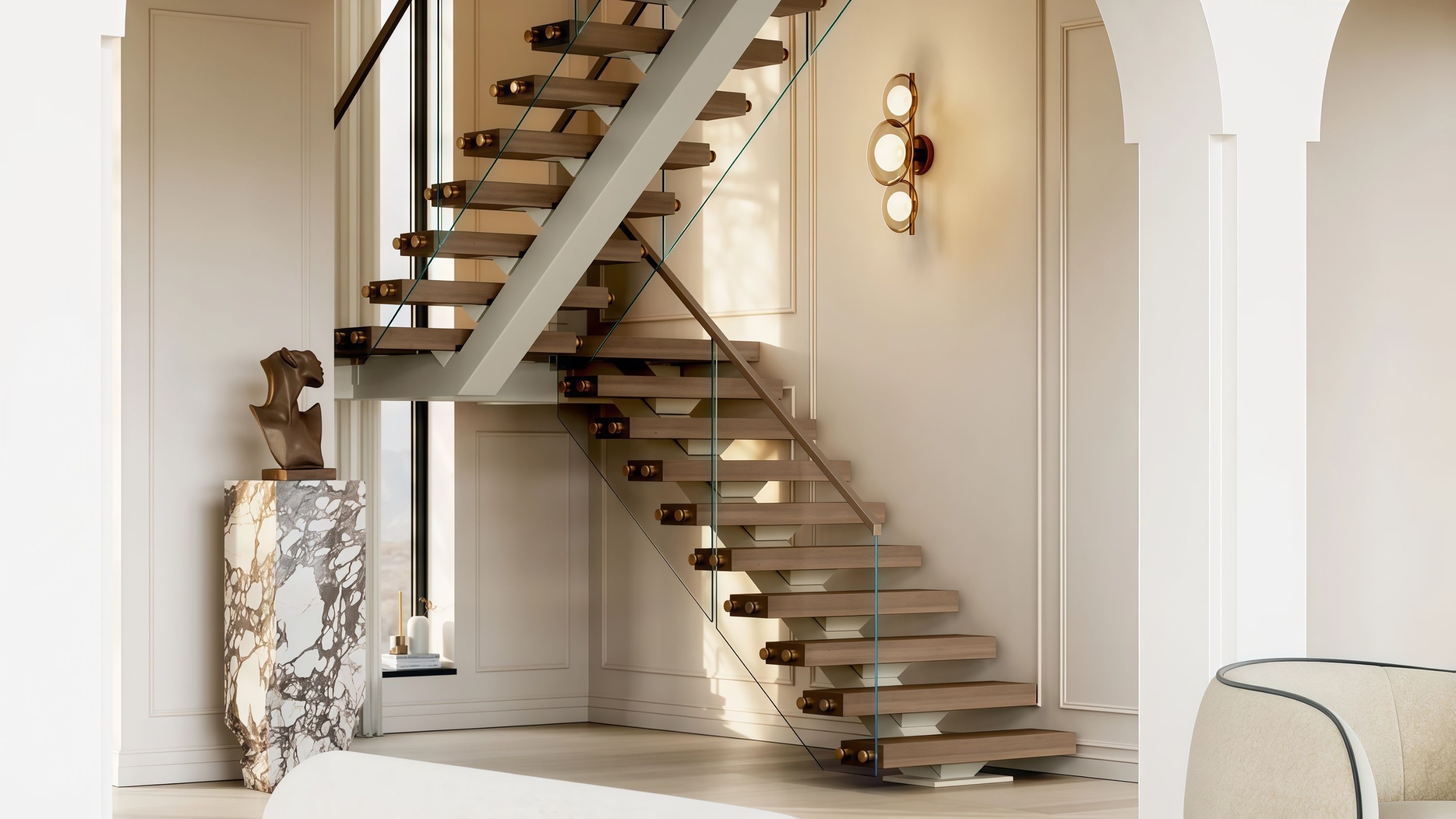
Structural Stability And High Load-Bearing Capacity
The structural design of high-quality standoff pins for glass includes a metal body with a thick wall and extremely strong bolted connections. This configuration distributes external loads efficiently while effectively bearing the weight of glass panels. A single glass bracket is capable of supporting a static weight between 30 and 80 kg under standard architectural conditions. However, a four-point mounting can support a panel that weighs between 150 and 300 kg. This structure is not only effective in anchoring the glass, but it also resists external stressors, such as horizontal pressures from people leaning on the glass, wind loads and minor structural deformations. The spacing between the brackets is important for the performance and stability of the system. This applies to standard tempered panels with a thickness of 10 mm - 15 mm.
Does This Structure Improve Visual Spatial Aesthetics In Space?
Glass fence standoffs are characterized by their minimalistic structure. They use a point-fixing method, unlike traditional framed railings. This design reduces the visual obstruction caused by metal parts, allowing glass panels to appear in their most complete and pristine state. This method achieves an impressive visual transparency of over 90%, resulting in a frameless aesthetic with a strong sense of openness. This structural design can be applied to commercial spaces, balconies, stairways, and other areas. It elevates visual layers, and aesthetic appeal.
This minimalistic structure also enhances the interaction of light in the architectural space. The metal frames are minimized to allow natural light to flow more freely into the interior. This improves the overall illumination of the space. This improved light permeability can be especially beneficial for high-rise balconies, open office environments and hotel public spaces. It enhances the sense of comfort in these areas and increases their perceived quality.
High Adaptability And Versatility
Glass brackets are designed to be highly compatible, and can accommodate a variety of glass specifications as well as different architectural mounting methods. They are compatible with glass thicknesses between 8 mm and 15 mm and are available in 30mm, 40mm, and 50mm structural standoffs. The brackets are suitable for a variety of architectural settings, and can be installed in different ways, such as wall mounting, column mounting, or floor mounting. Typical Application Scenarios,
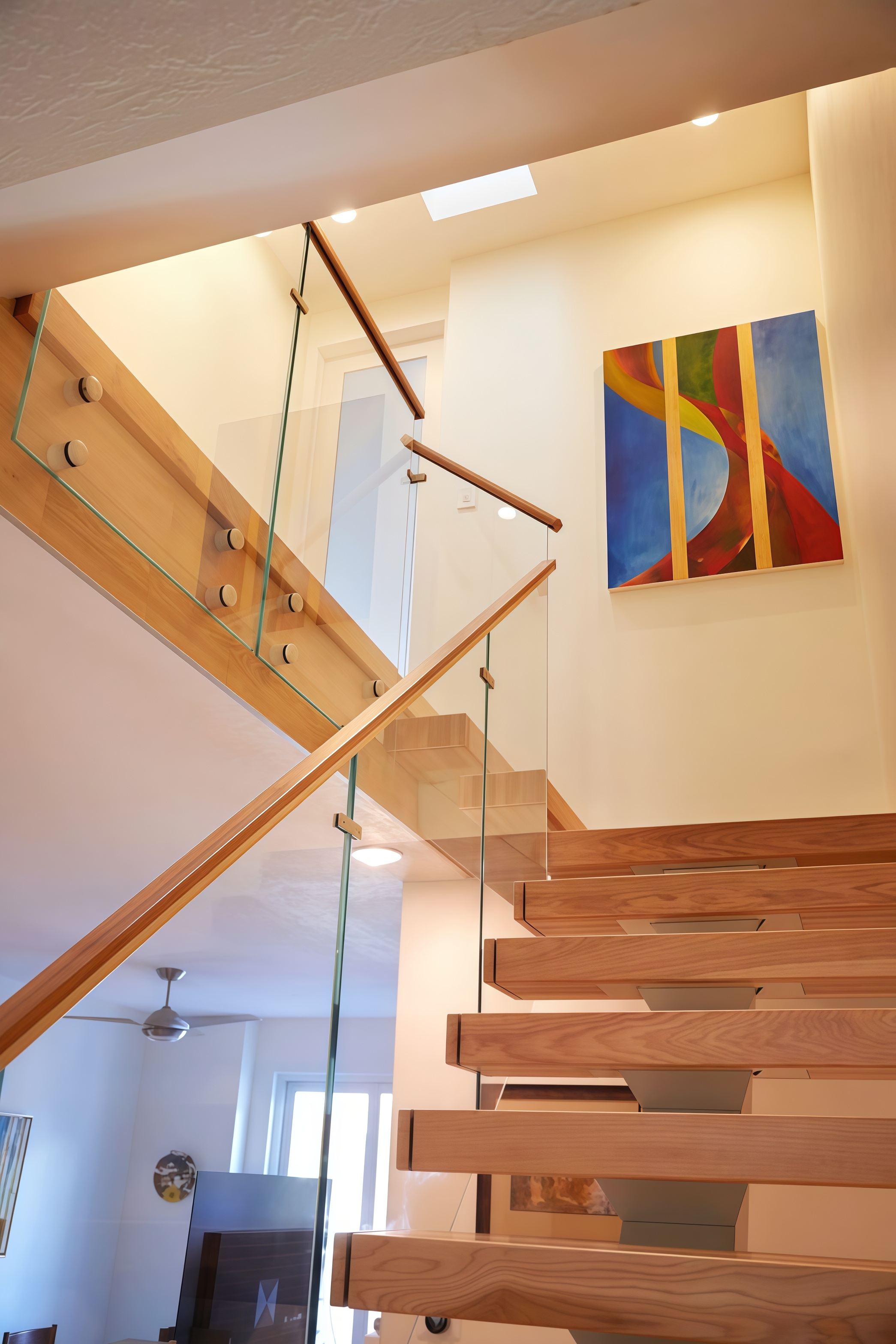
- Glass railings for balconies
- Staircase glass handrail structures
- Commercial space glass partitions
- Glass systems for hotels and showrooms
- Fences for terraces and gardens
Product Features & System-Level Benefits
These glass brackets are designed with a focus on structural stability, flexibility of installation, safety assurance and long-term durability. This allows them to perform consistently and reliably in a variety of architectural environments.
- Modular Structural Design
The structural design of glass brackets is typically modular, with multiple components, such as decorative caps, connecting studs and cushioning gaskets. The individual components of the brackets are assembled with standardized interfaces. This makes installation and disassembly very efficient. This design has many advantages. It allows for mass production, rapid installation and component standardization. The installation process is also made clear, which reduces the possibility of errors.
- Precision Structural Designs
When designing high-quality brackets for glass, mechanical and structural analyses are used to ensure a uniform distribution of loads when the brackets carry the weight of the glass and resist external loads. The brackets' diameter, thickness and stud connections are carefully engineered to achieve high structural strength, while minimizing stress concentrations. This structural advantage minimizes the risk for compressive stress along the edges of the glass, improves the overall structure’s impact resistance and reduces metal fatigue issues over time. The inclusion of rubber or nylon internal gaskets also creates a cushioning between the glass and metal components. This ensures that the glass panels stay stable, even when they are subjected to minor vibrations or temperature changes.
- High Safety Design with Redundancy
Glass bracket systems are installed with a multipoint fixation method in applications that have high architectural safety standards. Multiple support points are used to distribute the weight and external pressures of the glass panel across multiple brackets. This increases the structural stability and safety.
These inherent system advantages and the multifaceted design optimization not only meet the strict safety standards of modern architectural designs, but they also provide comprehensive solutions in terms of visual aesthetics, installation efficiency and ease of maintenance. This broad application and value are evident within this field.
Busrom Team
Editorial Team
Committed To Providing The Highest Quality Indoor & Outdoor Solutions Worldwide.