Why Are Glass Hinges and Glass Clamps Used Together in Frameless Bathroom Systems?
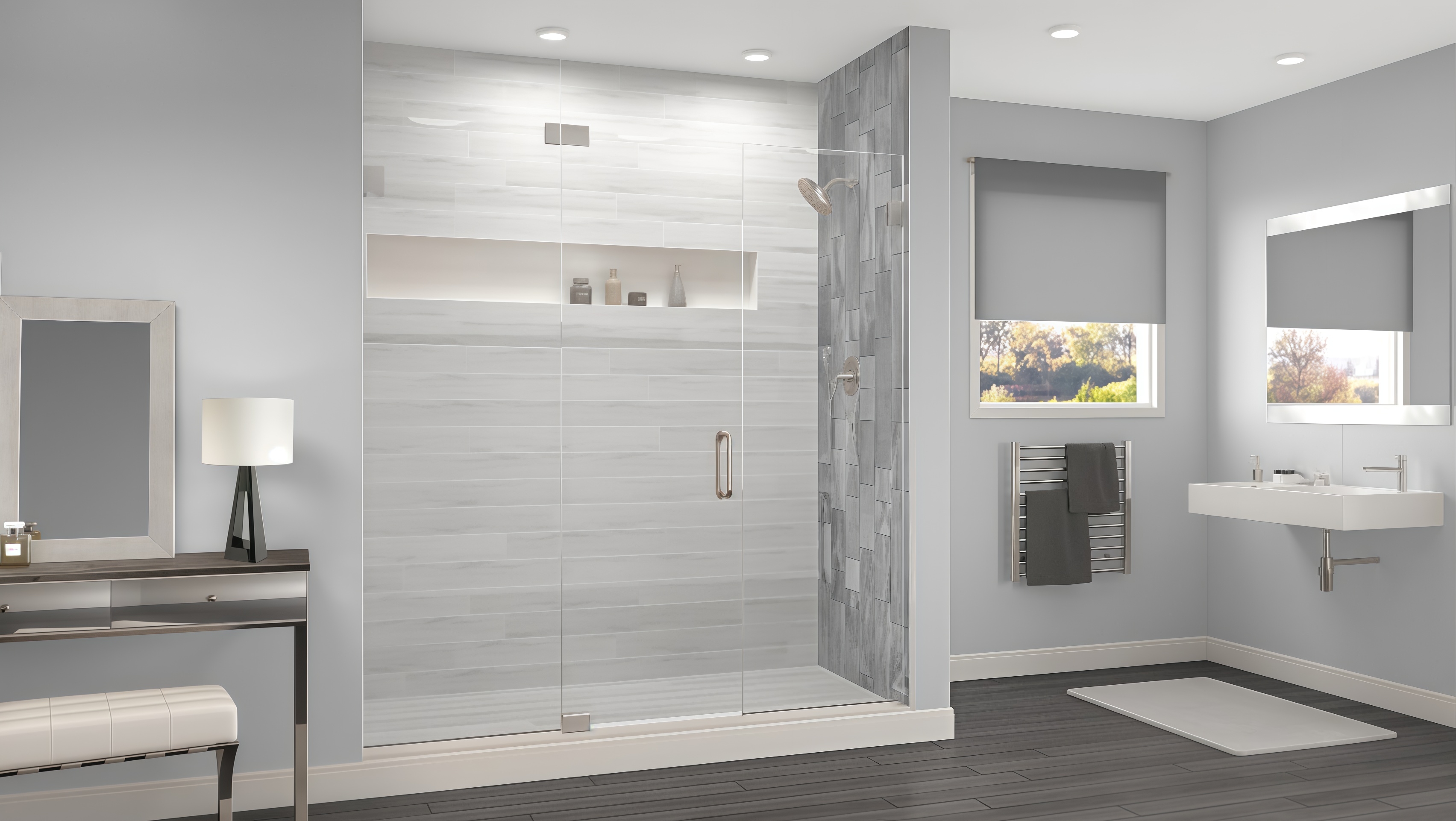
Glass hinges are used to install glass doors, and clamps are used to secure glass panels. However, many people only think of glass hinges and glass clips as separate accessories. In actuality, though, frameless bathroom glass systems frequently call for the simultaneous usage of both. This combination improves the overall glass structure's longevity, safety, and aesthetic appeal by combining load-bearing, positioning, and stabilising capabilities.
So, where are glass clamps and hinges usually located in bathrooms? What performance advantages does this combination provide, and why are they utilised together?
What particular functions do fastening clamps and glass hinges serve in a bathroom?
Bathroom glass hinges make it easier for the glass door to open, rotate, and support dynamic loads. They must survive the impact pressures, torque, and fatigue stress caused by frequent opening and closing while supporting the weight of the glass itself.
Bathroom glass clamps for bathrooms strengthen the overall structural stability and secure glass panels. They maintain the glass in a vertical position by creating clamping force using a combination of clamp plates, rubber gaskets, and screws.
Even though they serve different purposes, they are often used in real bathroom projects like frameless glass shower enclosures, bathrooms in hotels and upscale homes, and intricate shower arrangements with several glass panels.
In a shower enclosure with a 90-degree corner, a fixed glass panel is attached to the wall using fixing clamps, and the glass door on the other side is secured using hinges to create a sturdy framework. While the clamps provide general stability, the hinges manage the door's movement. When combined, they disperse and lessen systemic stress. This combination greatly increases system stability in settings like hotels, where utilisation can exceed dozens or even hundreds of times each day.
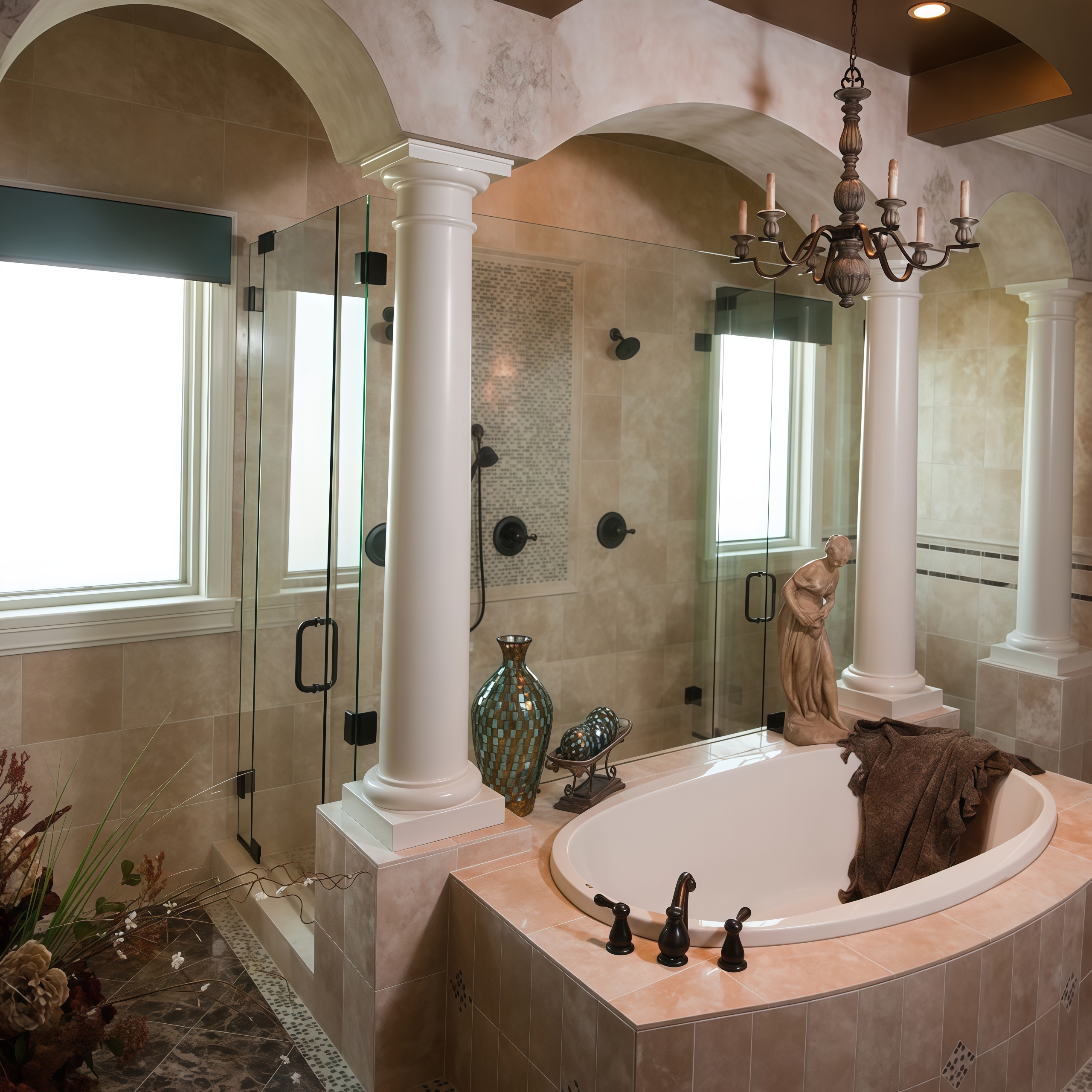
The visual benefits of frameless glass design are maximised when glass hinges and fastening clamps are combined. In order to secure the glass, traditional bathroom dividers frequently include substantial aluminium framing. Despite being technically sound, these frames can block the view and give the room a congested, heavy sense. Glass hinges and clips reduce the need for frames and profiles, maintaining the transparency of the glass and making the bathroom feel more spacious.
Modern minimalism styles work very well with this design methodology. When elegant stainless steel hardware is combined with transparent glass, the bathroom appears lighter and cleaner, giving the impression of greater space. Frameless glass shower enclosures, for example, reduce the feeling of spatial fragmentation in smaller bathrooms by letting light freely circulate throughout the space. This design enhances the area in projects like hotels and upscale homes, producing a contemporary, high-end visual experience.
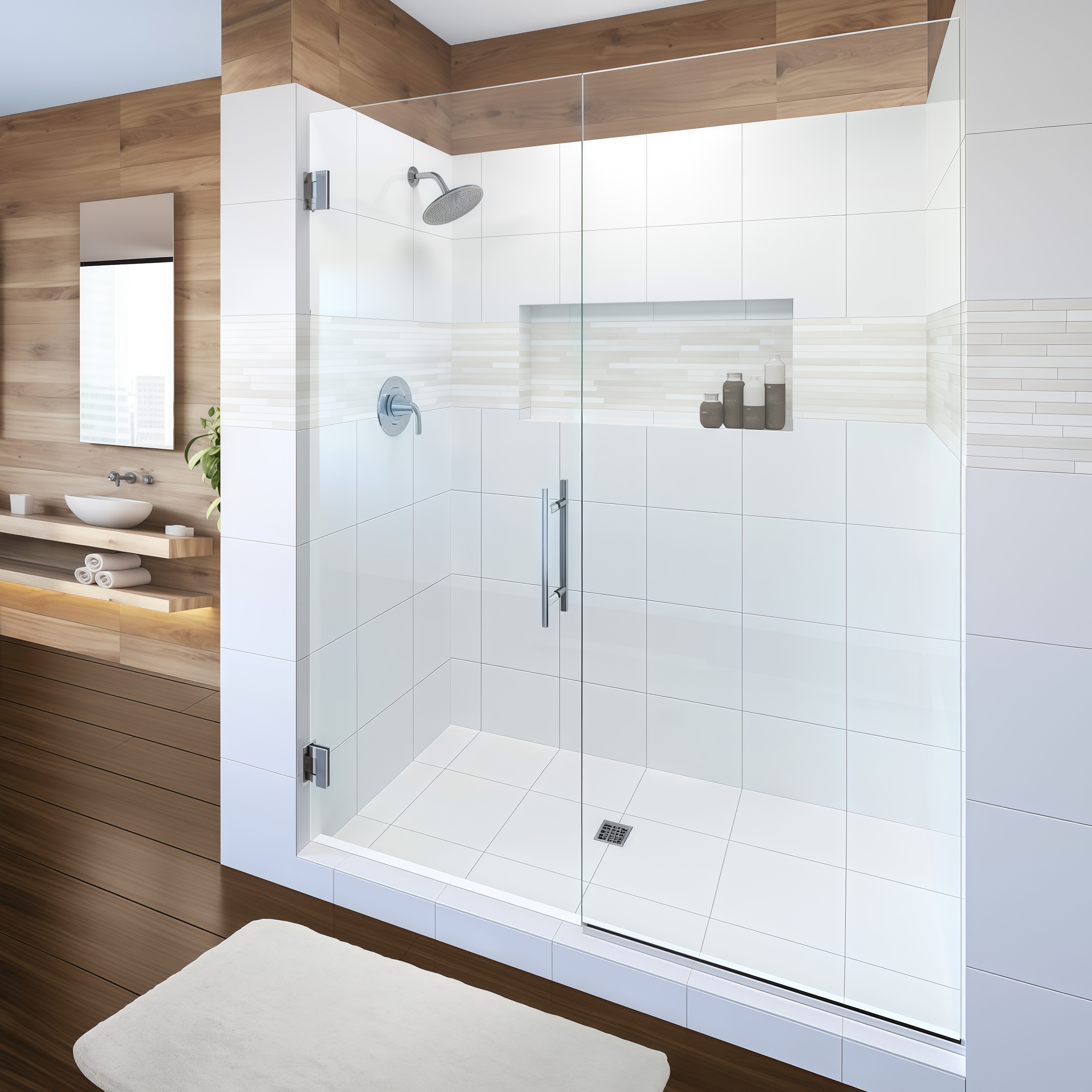
It takes more than just installing two pieces of hardware to combine shower glass hinges and glass clamps. It stands for striking a balance between functionality, safety, aesthetics, and structural integrity. While permanent clamps strengthen the overall structure and guarantee the stability of the glass system, glass hinges allow the glass door to open flexibly, improving convenience. When combined, they enhance lifespan and load-bearing capacity while maintaining the transparency and modernism that characterise frameless glass designs.
Glass clamps offer steady support, while glass hinges enable flexible functioning in bathroom installations. This combination improves overall visual appeal and spatial transparency while meeting safety criteria for frameless glass systems. Modern bathroom glass systems successfully combine practicality, design, and long-term value because of this deliberate hardware matching. What additional configurations are there besides this one?