Why Coastal Glass Standoffs Require The Long-Term Protection Of 316 Stainless Steel?
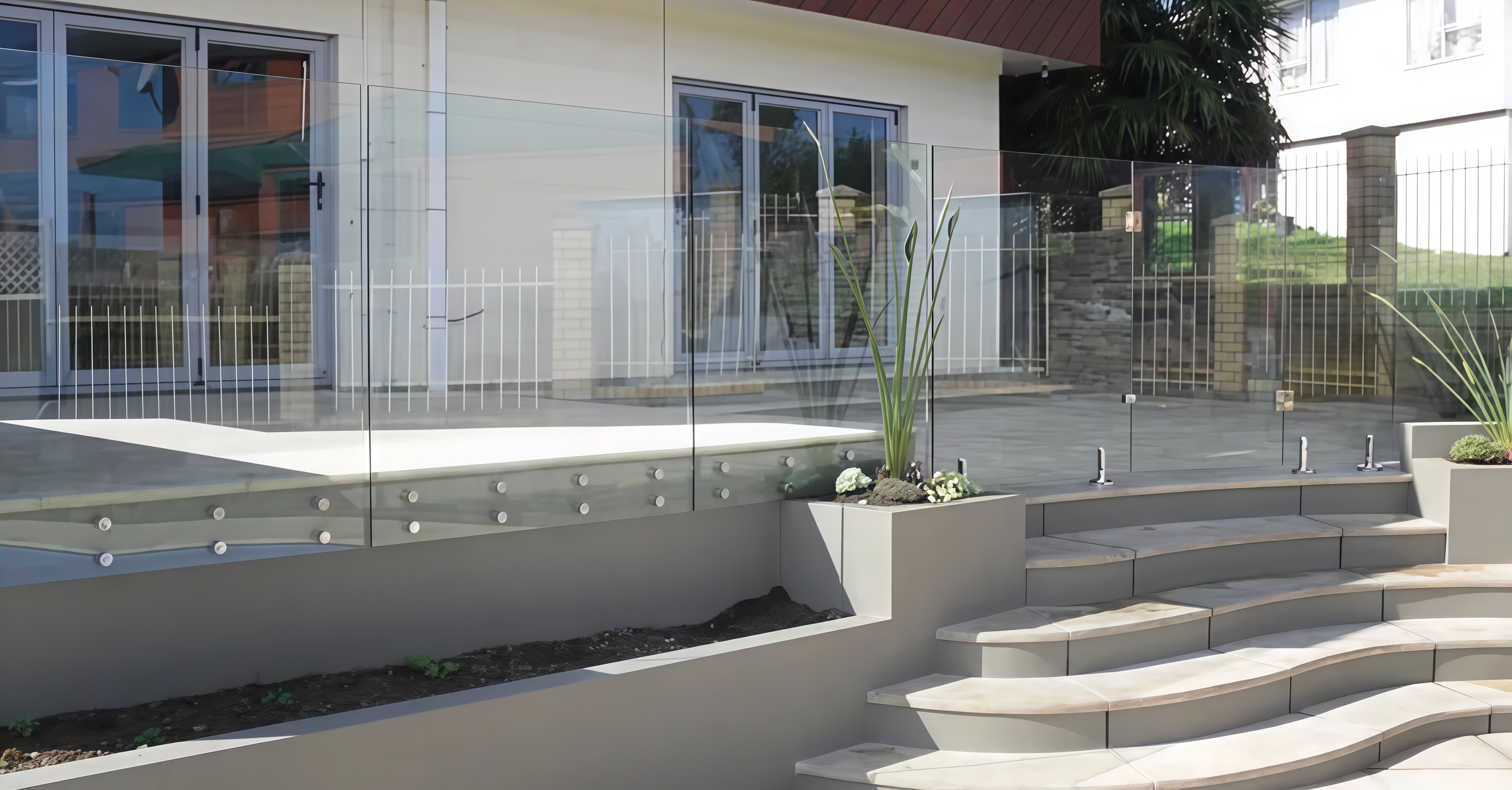
Glass railings and stair balustrades are commonly utilized in coastal architecture to create a sense of openness and transparency by bridging the gap between interior spaces and the natural surroundings. However, the environmental difficulties that a structure's hardware faces are more severe the closer it is to the ocean. Although these components might seem like straightforward, transparent safety barriers, they are actually under far more complicated loads than those seen in conventional interior environments. A crucial point that frequently comes up is whether glass standoffs exposed to coastal elements can sustain their stability, safety and aesthetic integrity over time, despite their aesthetic appeal.
High humidity speeds up metal corrosion because salt and chloride ions are abundant in coastal air. After years of exposure to wind and sun, components that appear immaculate upon installation may experience surface corrosion, rust spots and a loss of structural integrity at connection points due to improper material selection. For standoff brackets, stainless steel is therefore the recommended material. This decision is motivated by the material's exceptional capacity to satisfy safety, durability, and long-term maintenance efficiency criteria in addition to the demand for a high-end metallic appearance.
Why are glass railing standoffs subject to such strict requirements in coastal regions, and what is the main obstacle?
The concentration of salt spray in the air is the main distinction between normal metropolitan settings and coastal areas. Salt is carried into the air by wave action, seawater evaporation and persistent sea breezes, where it deposits itself on metal surfaces, glass standoffs, screws and connecting points.
These salt deposits combine with air moisture to create a conductive water coating that speeds up the metal surface's electrochemical deterioration. In this mechanism, chloride ions are especially important. They may cause localized corrosion by undermining the protective coating that normally forms on the metal surface.
Surface iron in regular steel easily combines with water and oxygen to produce iron oxide or rust. However, in coastal conditions, corrosion is greatly accelerated by the disruption of the metal's protective layer caused by chloride ions. The glass with standoffs connecting the stairs railing glass is continuously subjected to the combined effects of salt spray, high humidity, and UV radiation in coastal areas, such as buildings close to the shoreline, seaside villa terraces, balconies of hotels with ocean views, yacht marinas, exterior staircases of waterfront commercial buildings, and glass railings surrounding outdoor pools. The material's ability to withstand corrosion is put under more pressure under these circumstances.
Is 316 stainless steel a better option for coastal settings, or is 304 stainless steel more appropriate?
304 stainless steel is widely utilized in the market, usually in standard settings where it provides outstanding workability, high cost-effectiveness and superior corrosion resistance. However, projects near the water should exercise caution when employing 304 stainless steel standoff brackets. Long-term use may cause tiny rust stains, corrosion spots, and a loss of luster on the supports' surface.
In general, 316 stainless steel is thought to be a better option. The addition of molybdenum to 316 stainless steel, which greatly increases the material's resistance to environments rich in chlorides, is the primary distinction between the two materials. This has two primary benefits for glass handrail standoffs:
- Superior resistance to corrosion caused by salt spray
It provides greater resistance to chloride ions, which lowers the possibility of salt spray-induced pitting corrosion. This is especially crucial at connection points, such as the places where screws attach standoffs for glass, because these places are prone to corrosion because they tend to retain moisture and salt. It offers longer-lasting, more robust protection.
- Ideal for projects that need little ongoing upkeep
Hardware maintenance is not usually performed on a daily basis at properties like oceanfront houses and resort hotels. The maintenance load is decreased by using glass standoff made of 316 stainless steel. Even if the original cost of the materials is higher, it reduces labor, repair and replacement costs, making it more cost-effective over time.
Are stainless steel glass standoffs near the shore in need of upkeep?
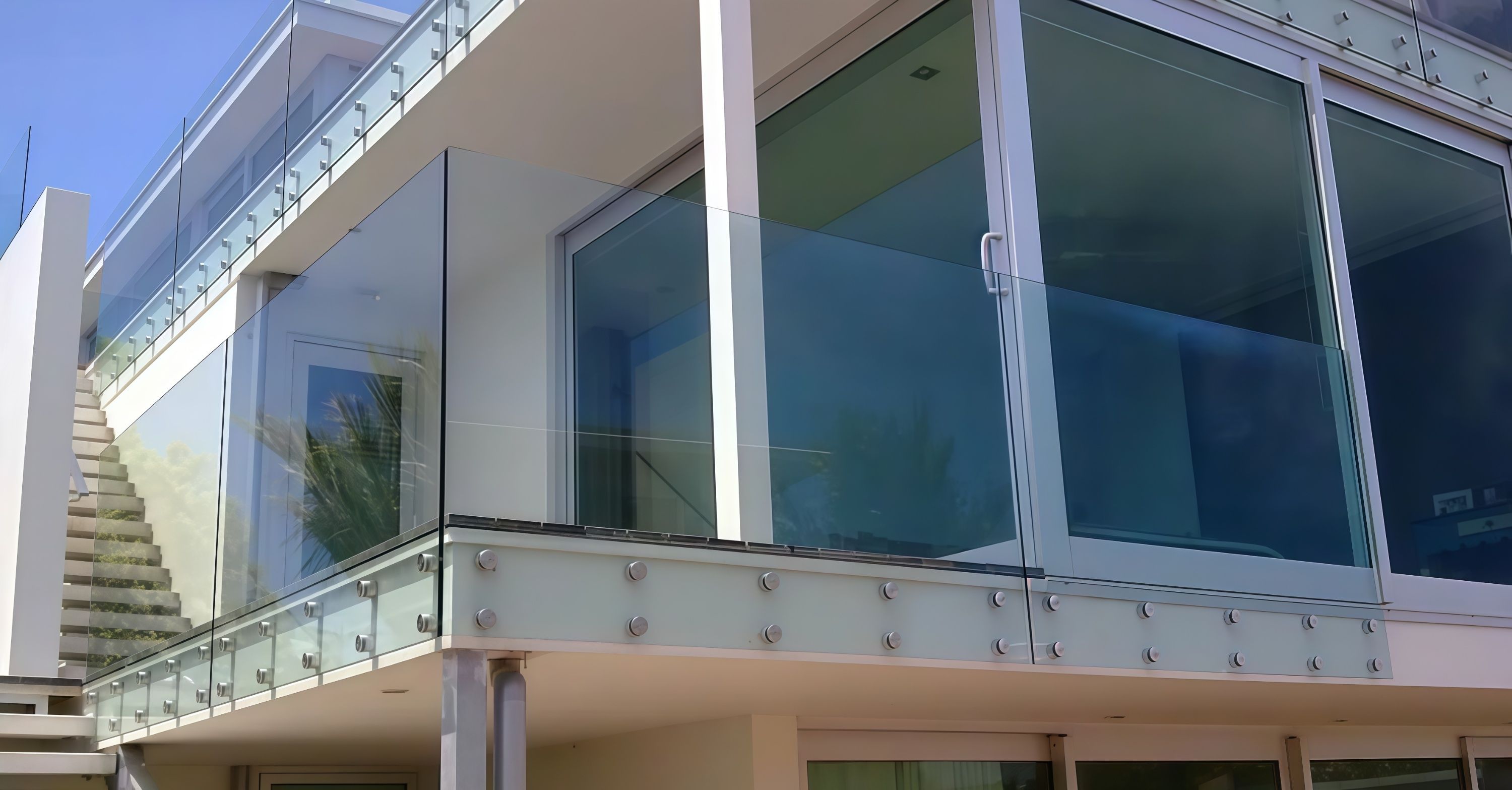
Despite its exceptional resistance to corrosion, 316 stainless steel still needs upkeep.
- Reduce salt residue, clean the surface frequently with fresh water.
- Steer clear of strong acid or alkaline cleaning products.
- Check for salt buildup at connection points.
- Deal with any surface contamination right away.
The following elements need to be taken into account in addition to material selection:
First, consider the surface finish of the stainless steel.
In coastal regions, surface quality is quite important. The surface must be consistent and smooth, regardless of the particular finish, and precautions must be made to avoid iron contamination during manufacture.
Second, think about the design of the structure.
When installing standoff glass railing, make sure the region is easily cleaned, that connecting points do not contain salt deposits, and that water does not collect at the base.
Additionally, the selection of connectors and screws is crucial.
Over time, galvanic corrosion may develop between dissimilar metals if the main structure is constructed of 316 stainless steel, but the screws or connectors are composed of inferior materials.