Why Is Surface Treatment So Important For Glass Fence Spigots?
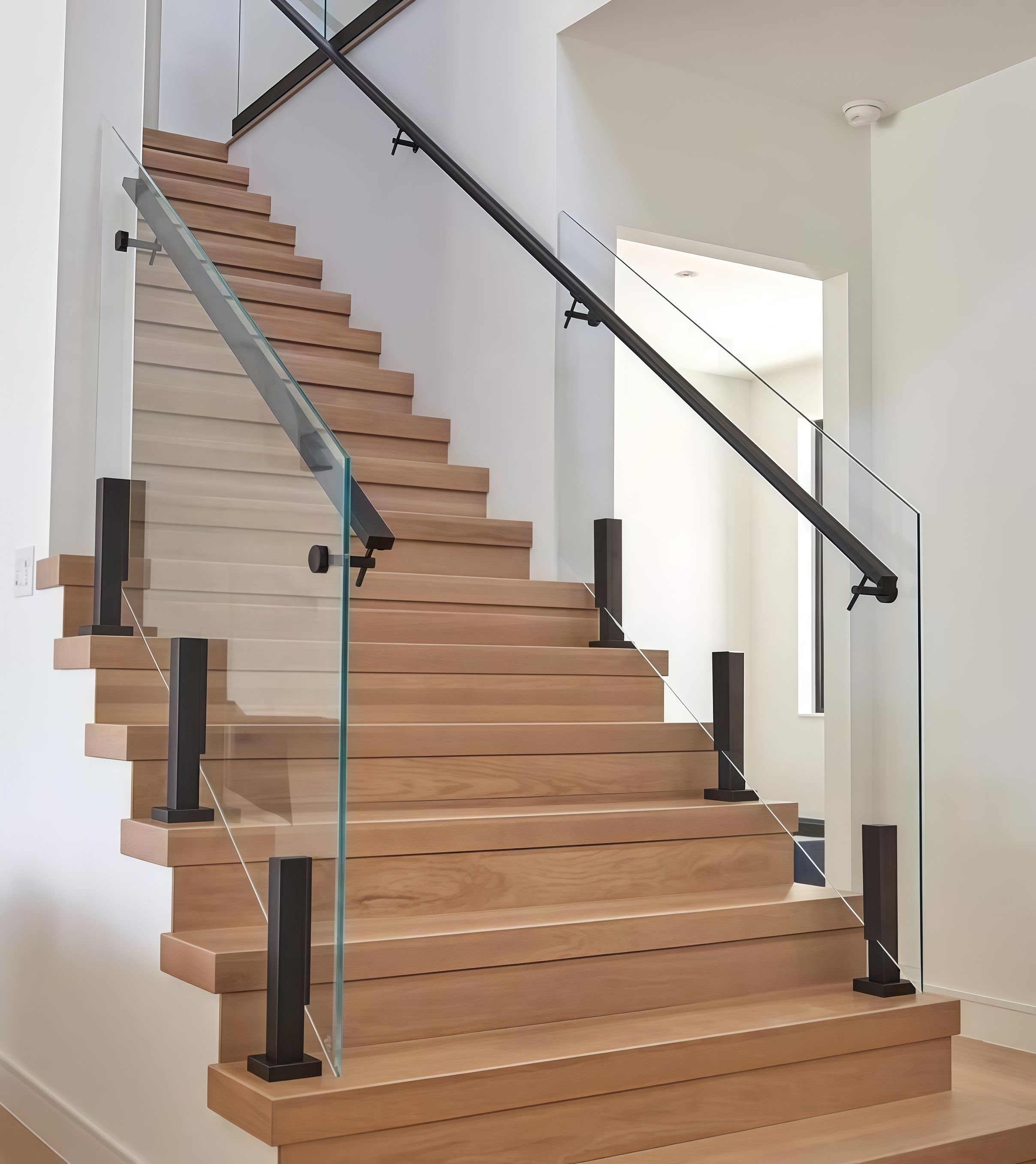
When choosing glass fence spigots, people frequently ignore an equally crucial element of the surface treatment procedure in favour of material, size, and load-bearing capabilities. In actuality, glass standoffs are commonly placed in settings where their surfaces are continuously exposed to air, moisture, sunlight and even salt, such as balconies, stairwells, pool fences and outdoor glass railings. The product's appearance, corrosion resistance, service life, and ease of future maintenance are all directly impacted by the treatment selection. In addition to improving the metal's protective qualities, superior surface treatment also enhances the glass railing system's overall aesthetic appeal, lowers regular maintenance costs, and improves the tactile feel.
Mirror Polishing, Brushed Finishing, Sandblasting, PVD Vacuum Coating, Electroplating and Powder Coating are common surface treatment techniques available today. The manufacturing steps, production complexity, prices and final performance attributes of these processes vary greatly.
Why do glass fence spigots require surface treatment?
The production process includes several steps, including casting, cutting, CNC machining, drilling and grinding, which invariably leave marks on the metal surface, including tool marks, burrs, oxide layers and fine scratches, even though glass panel spigots are usually made from extremely corrosion-resistant stainless steel. Untreated stainless steel surfaces have a harsh appearance and are prone to problems including oxidation, water stains, and a gradual loss of lustre from exposure to moisture and air. Surface treatment therefore fulfils three important functions. When done correctly, it effectively lowers long-term maintenance costs while also improving the product's aesthetic appeal and corrosion resistance.
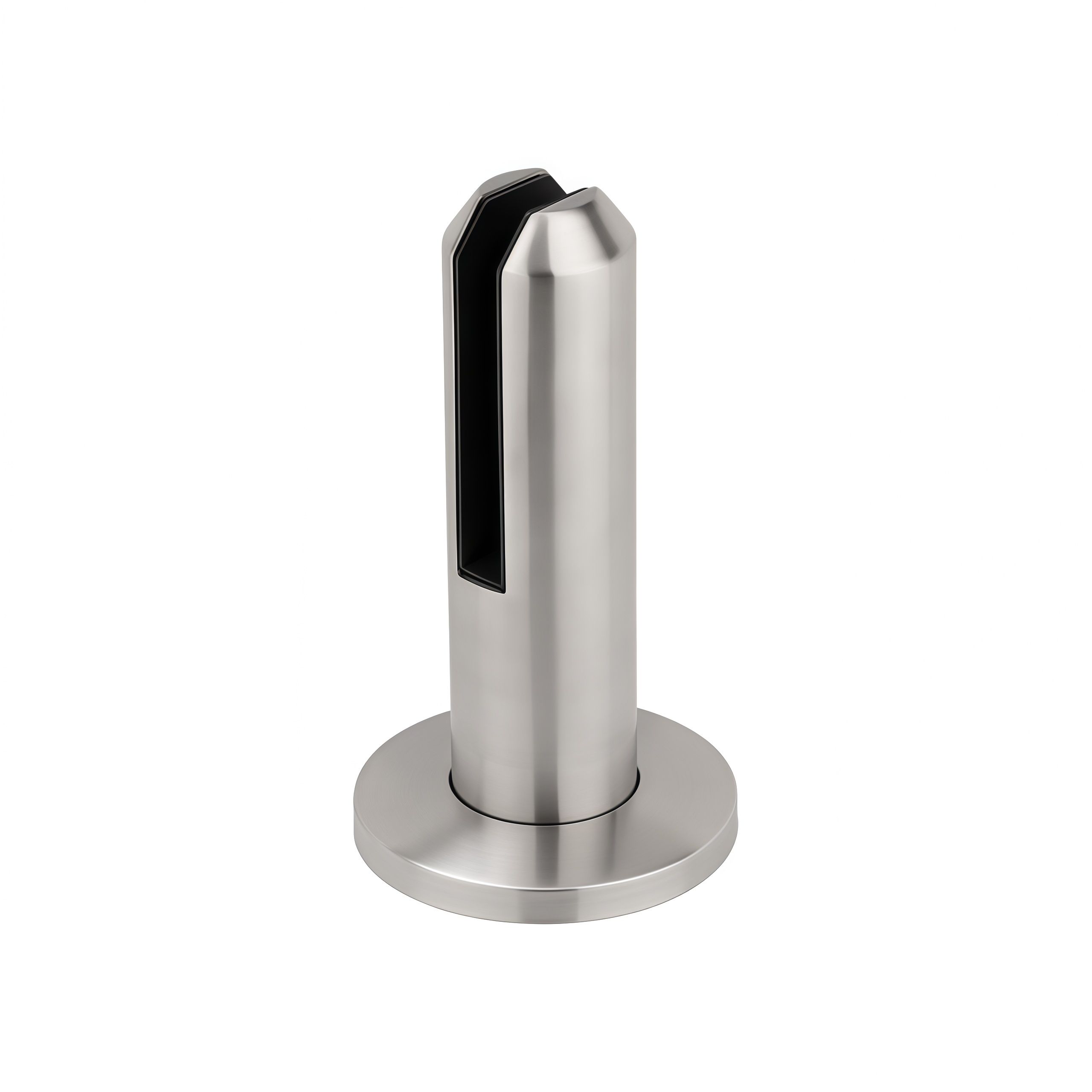
Brushed Finish
- To eliminate burrs and surface flaws from previous manufacturing processes, the brushing process starts with simple grinding. The surface is then ground in a specific direction under regulated pressure using an abrasive belt or brush wheel to produce a consistent, textured pattern.
- Its main benefit is that it strikes a balance between utility and beauty. Compared to a mirror finish, the fine surface texture makes fingerprints and small scratches less obvious and facilitates everyday cleaning.
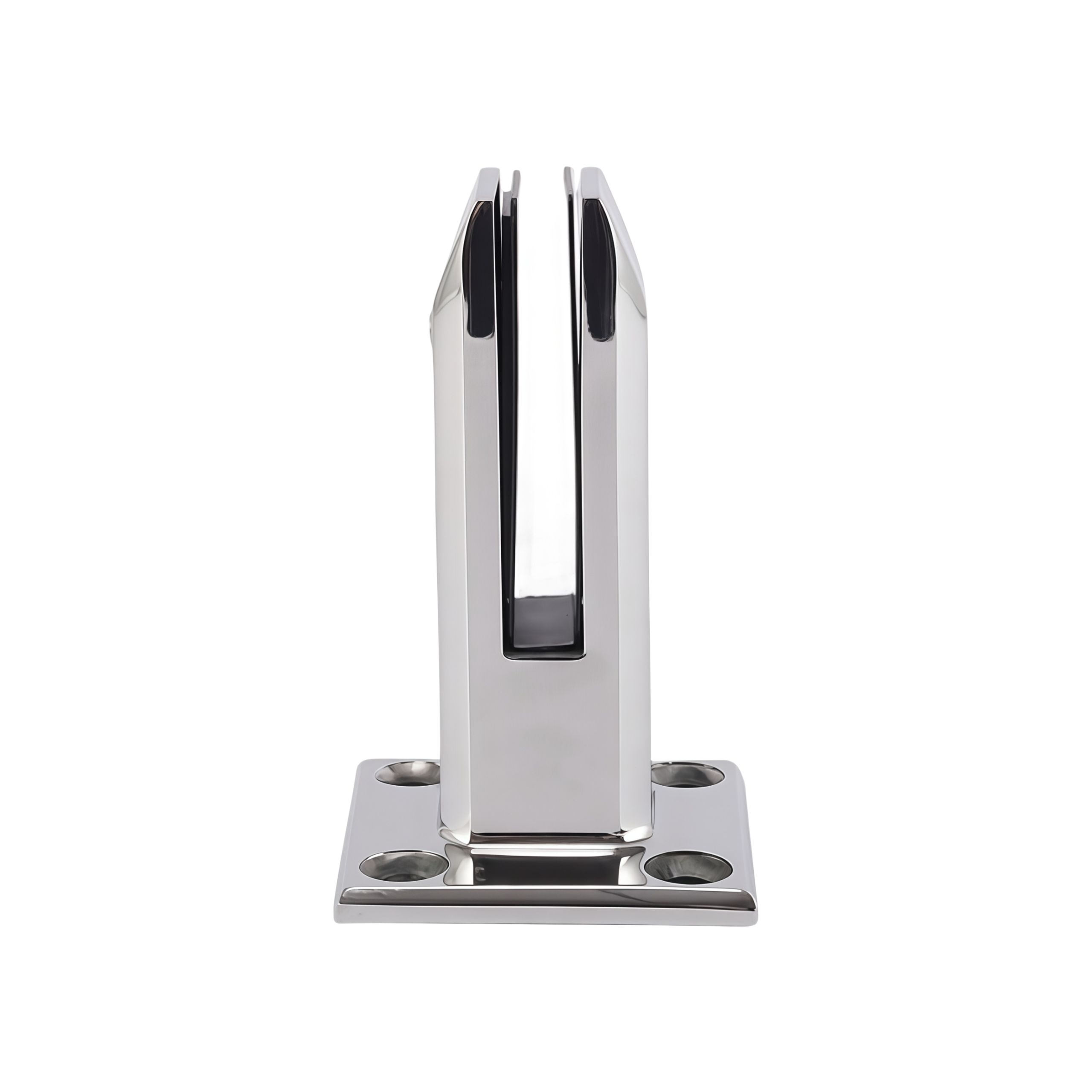
Mirror Polishing
- To give the stainless steel surface a mirror-like reflecting sheen, this procedure mainly uses mechanical grinding and polishing.
- To create a homogeneous base surface, it starts with coarse grinding, which uses grinding wheels or belts to eliminate casting markings, machining traces and obvious defects.
- Lastly, a highly reflective finish is achieved by using specialised polishing compounds in conjunction with high-speed rotating polishing wheels.
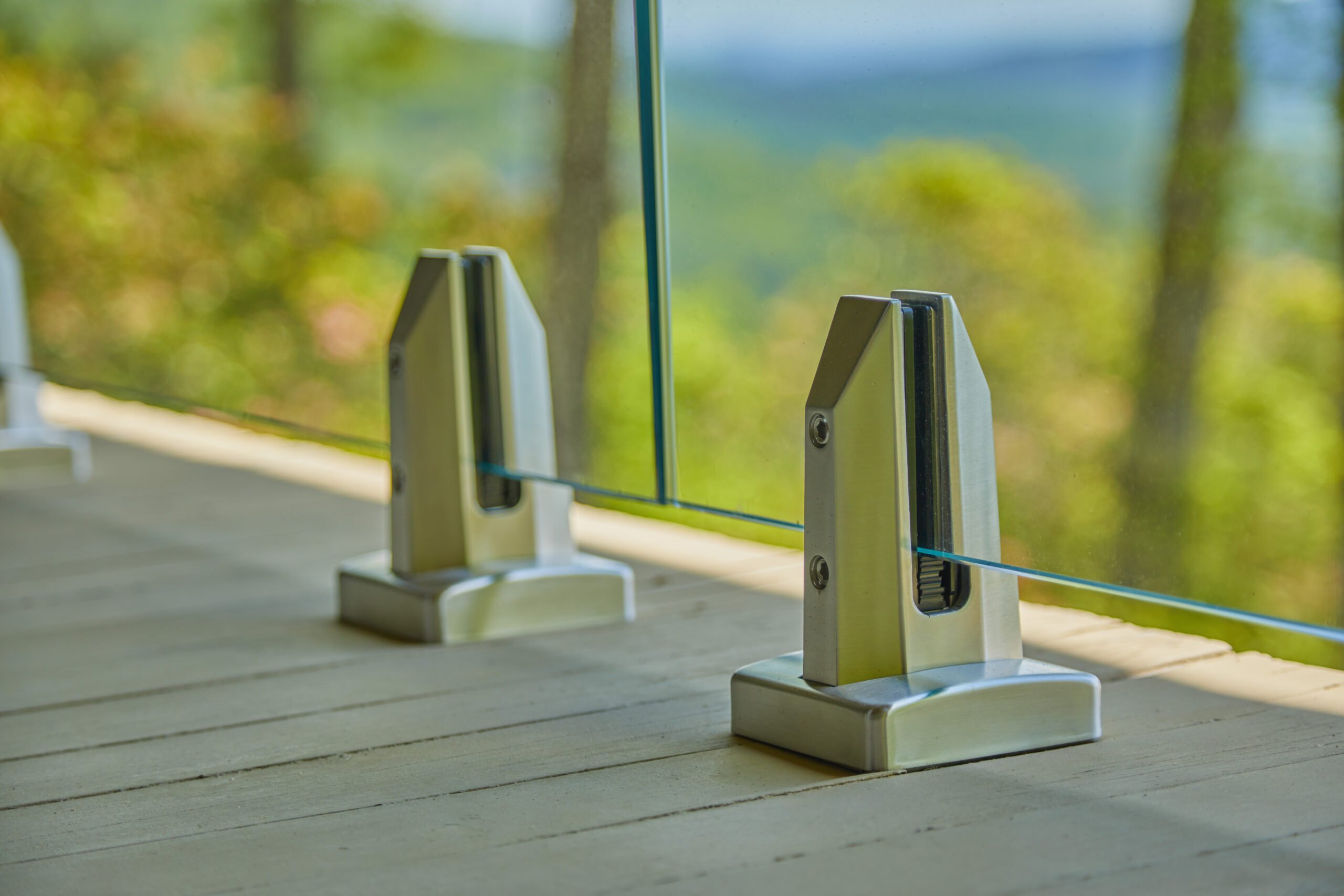
Sandblasting
- This method creates an evenly textured, matte finish by pushing abrasive particles onto the metal surface with a high-speed airflow.
- To make sure the surface is clear of dust and machining residues, pre-treatment procedures like degreasing and cleaning are necessary. Glass beads, quartz sand, or other abrasives are then blasted onto the surface at high speed using compressed air, changing the microstructure of the metal through impact.
- To improve corrosion resistance, the part usually goes through cleaning, passivation or a protective treatment after sandblasting.
PVD Vacuum Coating
- In a vacuum environment, metal elements are physically deposited onto the product surface to create a very thin yet effective protective coating.
- To make sure the substrate is clear of grease and obvious flaws, the glass railing spigot is precisely polished and cleaned before painting. After that, the product is put in a vacuum coating apparatus, where a nanoscale coating is created using ionisation and high temperatures.
Powder Coating
- This method applies a powder coating to the metal surface by means of electrostatic attraction. The powder melts and fuses to create a consistent protective coating when baked at a high temperature.
- To improve coating adherence, the glass fence spigot is first cleaned and pre-treated to get rid of grease and contaminants. The powder is then uniformly applied to the surface using electrostatic techniques, and the coating is cured by high-temperature baking to provide a smooth, corrosion-resistant, and wear-resistant protective finish.
All things considered, surface treatment for glass fence spigots is an essential process that integrates production methods, safety features and decorative design. In addition to improving a product's appearance, a superior surface treatment prolongs its service life, reduces maintenance costs, and ensures that the glass railing system remains solid, secure and aesthetically pleasing even after years of use. Choosing the appropriate surface treatment procedure is just as crucial for high-quality glass guardrail projects as picking the materials and structural layout.