Saved $20 On Hardware, But Lost $12,000 Behind The “Same Diameter, Different Strength” Of Glass Standoff Lies A Wall-Thickness Reduction Trap That No One Told You About
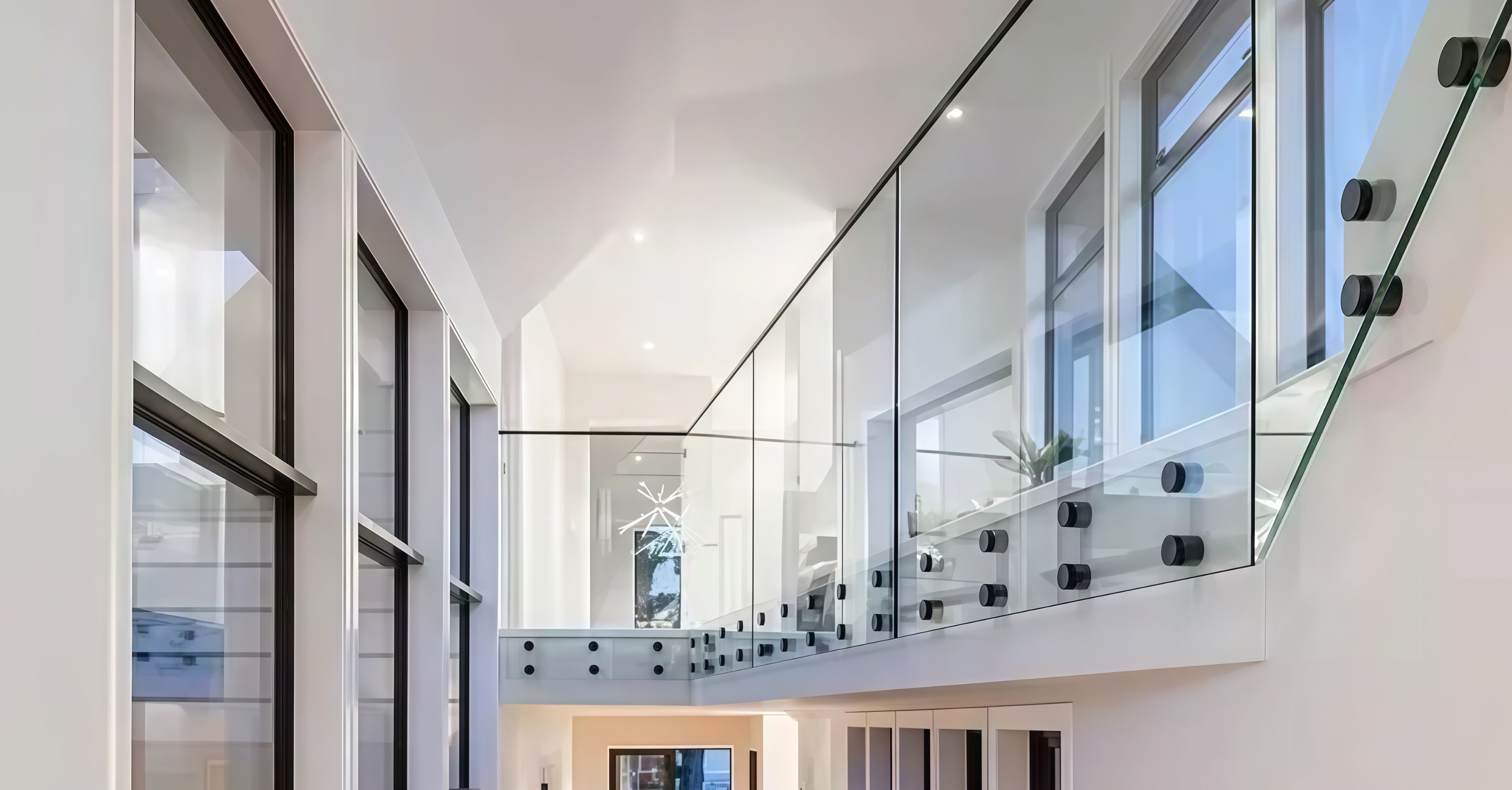
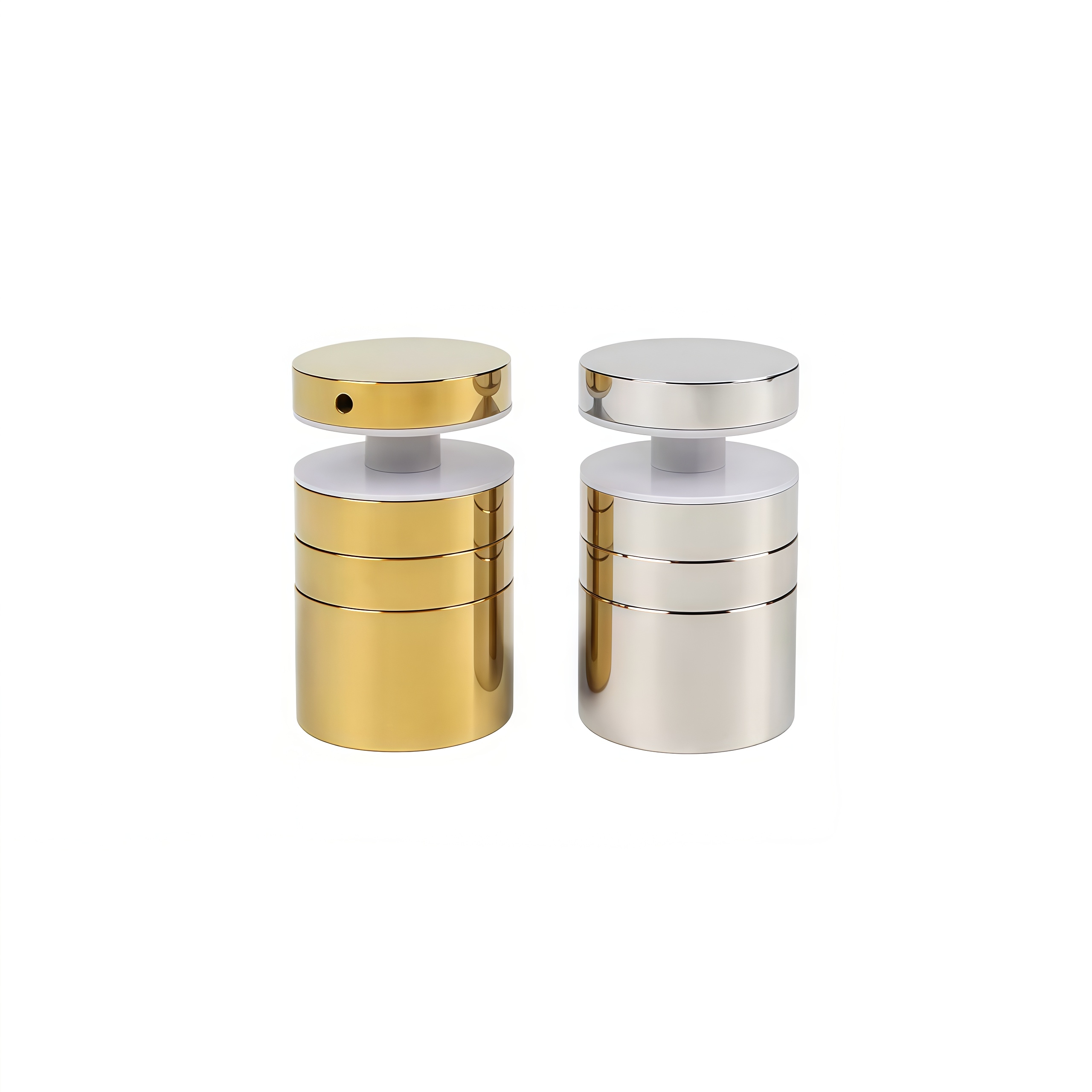
Two glass standoffs can have the same outside diameter, finish, and thread dimensions while performing very differently once installed in a glass railing. One has passed IBC load testing with flying colors and has been in reliable service for 10 years. The other, however, will experience guardrail loosening and deformation, glass misalignment, and frequent rattling 8 to 24 months after installation—resulting in rework costs starting at $12,000. In severe cases, this can trigger a chain reaction of problems, including claims from the project owner, negative project reviews, and deductions from your qualification score.
The vast majority of engineering procurement professionals and on-site quality inspectors limit their inspection practices to verifying only three surface parameters - outer diameter, appearance and color, and thread specifications - while completely overlooking the most significant unwritten rule in the hardware engineering industry: while the outer diameter can be falsified, it is the wall thickness that determines structural safety, acceptance rates, the project’s service life, and the bottom line of the project.
Micrometer-level wall thickness reductions - completely imperceptible to the naked eye - are the root cause behind the 71.3% failure rate of guardrail hardware, rework on small- and medium-sized projects, and lost foreign trade disputes, as documented in global hardware industry statistics. This type of hidden material skimping does not constitute obvious substandard products and cannot be detected through routine visual inspections; however, it leads to a concentrated outbreak of failures after prolonged stress and environmental erosion. Today, we take an in-depth look at this “gray area” rarely discussed openly in the international engineering sector, covering the logic behind material skimping, mechanical performance gaps, on-site hazards, cost traps, and a comprehensive set of standards to help you avoid these pitfalls.
I. Industry Realities: The Mature Logic Of Material Shortchanging In The Foreign Trade Market -“Same Diameter, Different Quality”
Glass railing standoffs are not decorative components, but rather solid tubular structural hardware that bears the load. They serve multiple functions, including withstanding lateral loads on glass railings, supporting the weight of people leaning against them, resisting outdoor wind pressure, and cushioning thermal expansion and contraction; they are the load-bearing support points of the entire railing system. As clearly specified in the AISC 370 Design Specification for Stainless Steel Structures, the load-bearing capacity, wind resistance, deformation resistance, and fatigue resistance of solid stainless steel tubing are not directly related to the outer diameter but are determined entirely by the effective wall thickness.
Currently, low-cost cross-border supply chains and small-to-medium-sized contract manufacturing factories have developed a mature, standardized, and large-scale scheme for skimping on materials. This scheme precisely circumvents visual inspections and standard dimensional checks to minimize raw material costs as much as possible. It is also the primary trick behind low-priced foreign trade orders and highly competitive domestic orders, and the entire process is extremely covert and widely practiced throughout the industry.
↓ ↓ ↓
Uncovering Industry Insider Secrets:
Question 1 - Standardizing Only The Precision - Ground Outer Diameter Dimensions
Complies with North American standard nominal outer diameters, matches customer drawings and installation cutouts, and eliminates issues such as discrepancies in external dimensions.
Question 2 - Significantly Reducing The Inner Wall Thickness
By increasing the inner diameter to reduce wall thickness, raw material costs drop by 30%–50%, making this the main source of profit for low-priced products.
Question 3 - Comprehensive Concealment And Circumvention Of Parameters
Product inspection reports, quotations, and contract specifications list only the outer diameter, total length, and material; they never disclose the actual wall thickness, effective load-bearing thickness, load parameters, or related details.
Question 4 – Reduction Of The Accessory Package
Cutting corners by skimping on Teflon cushioning gaskets, anti-slip washers, and anti-loosening reinforcement structures further reduces costs but creates hidden risks of loosening, abnormal noise, and glass abrasion.
Question 5 - The “Local Thickening” Deception Tactic
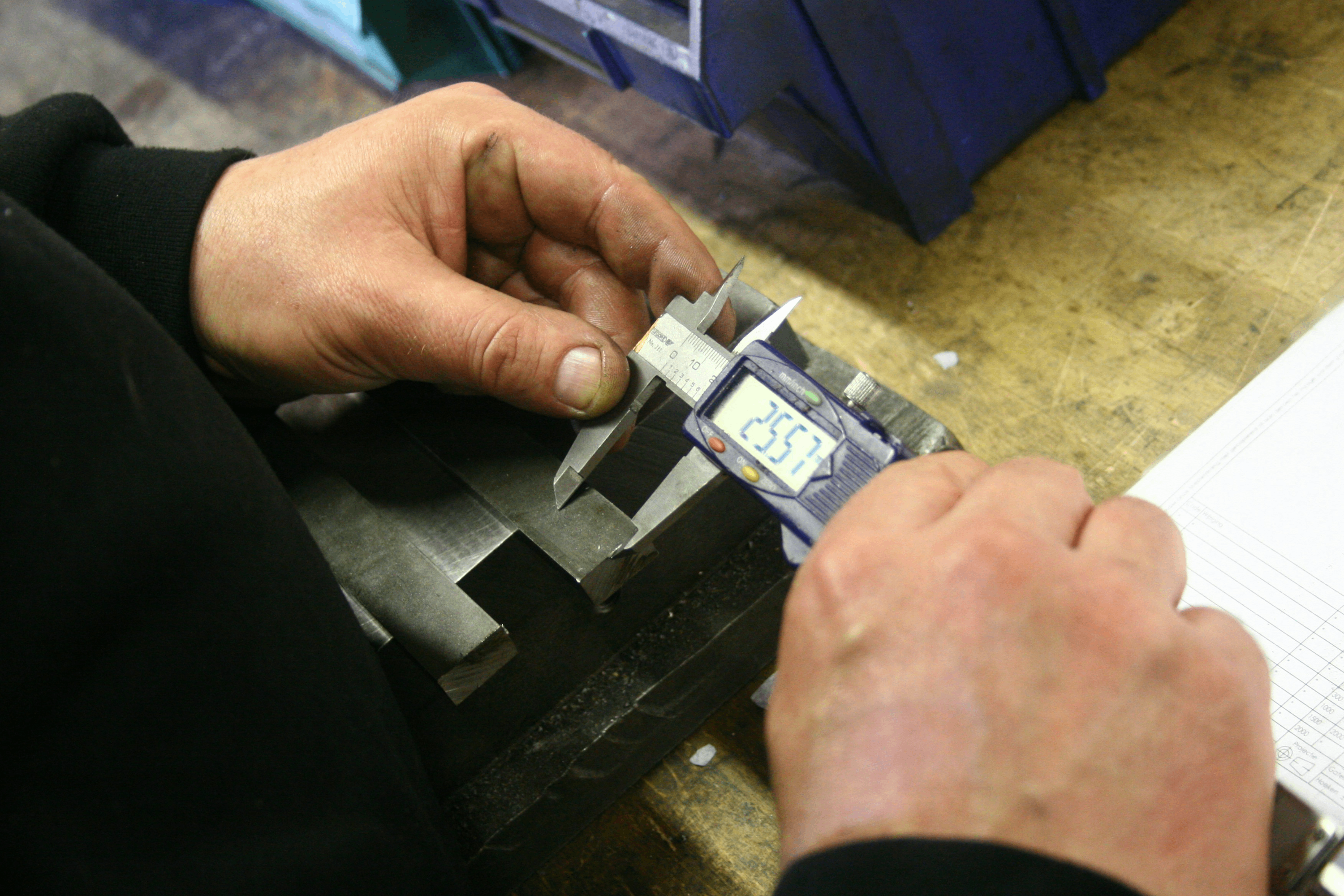
Only the ends of the pipe are locally thickened, while the core stress-bearing area of the pipe body is significantly thinned. Conventional calipers cannot detect material theft when measuring the pipe ends, making this one of the industry’s most sophisticated methods of concealing substandard workmanship.
Based on a specialized third-party sampling survey, we compiled statistics on 186 Glass Standoff products currently sold by major online suppliers worldwide, providing an accurate picture of the industry’s chaotic state:
1. 31.2% of the products completely omit wall thickness specifications; the product detail pages and quotation documents list only the outer diameter, with no structural specifications provided.
2. 47% of these low-cost, pre-assembled glass standoff sets do not use Teflon safety washers and rely entirely on direct, hard contact for securing, which accelerates wear between metal parts and causes screws to strip.
3. 16.1% of the thin-walled specimens underwent irreversible permanent plastic deformation under a 120-lb lateral load, losing their structural load-bearing capacity.
4. After 24 months of use, thin-walled custom-made products exhibited a failure rate as high as 17.0% for issues such as loosening, deformation, abnormal noises, and glass misalignment - far exceeding the failure rate specified in engineering standards.
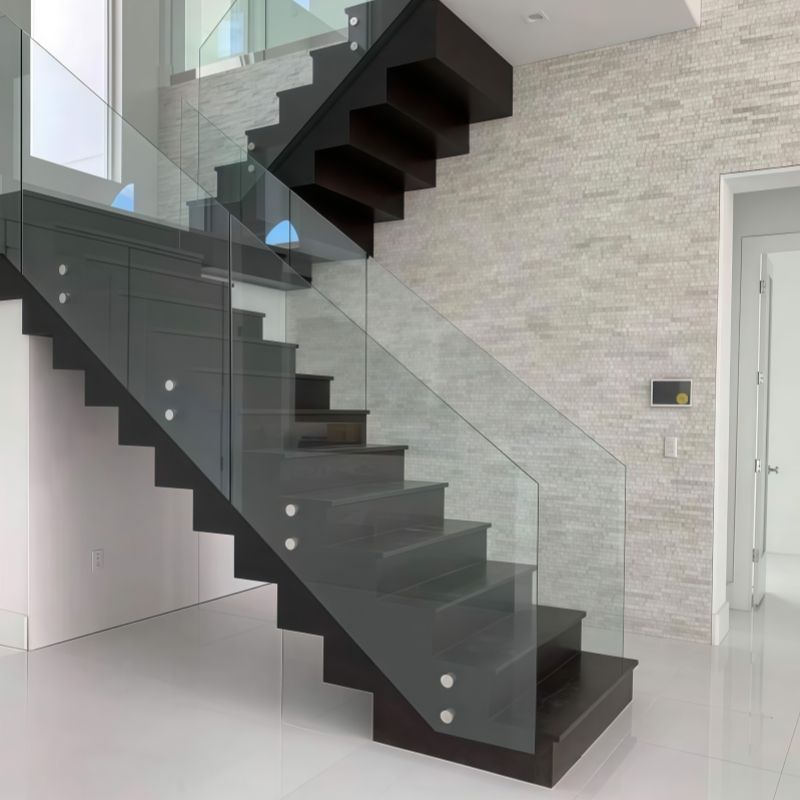
This set of data clearly illustrates the reality of the industry: while 1:1 replica Glass Standoffs are available on the market, their procurement costs are half as much, their structural strength is half as high, their service life is one-fifth as long, and the project safety risks are as much as ten times higher. While the invoices may appear to show significant savings in the procurement budget, in essence, this approach compromises the safety guarantees of engineering projects and creates the potential for massive rework costs.
II. Hard-Core Mechanical Data: For The Same Outer Diameter, A 0.3 Mm Difference In Wall Thickness Cuts Strength In Half
The Vast Majority Of Purchasers, Designers, And Contractors Harbor A Fatal Misconception:
It is often assumed that a wall thickness difference of only 0.3–0.5 mm is an extremely small error, and that its impact on the overall structure can be neglected. However, according to the AISC’s precise calculation model for the flexural section modulus of solid circular tubes: Under identical conditions of outer diameter, material, and manufacturing process, even a slight reduction in wall thickness causes the member’s bending capacity, fatigue resistance, and safety factor to plummet in a nonlinear, exponential, and precipitous manner — not a linear, gradual decline. A mere 0.3 mm difference in wall thickness is sufficient to cause a product to go from meeting engineering project standards to becoming a non-standard, hazardous product.
Using the Φ25 mm glass railing standoff - the most common and widely used type on the market—as our standard sample, and in accordance with the load requirements of the IBC (International Building Code), we conducted three sets of comparative field tests under real-world conditions. The data clearly demonstrate the critical impact caused by differences in wall thickness:
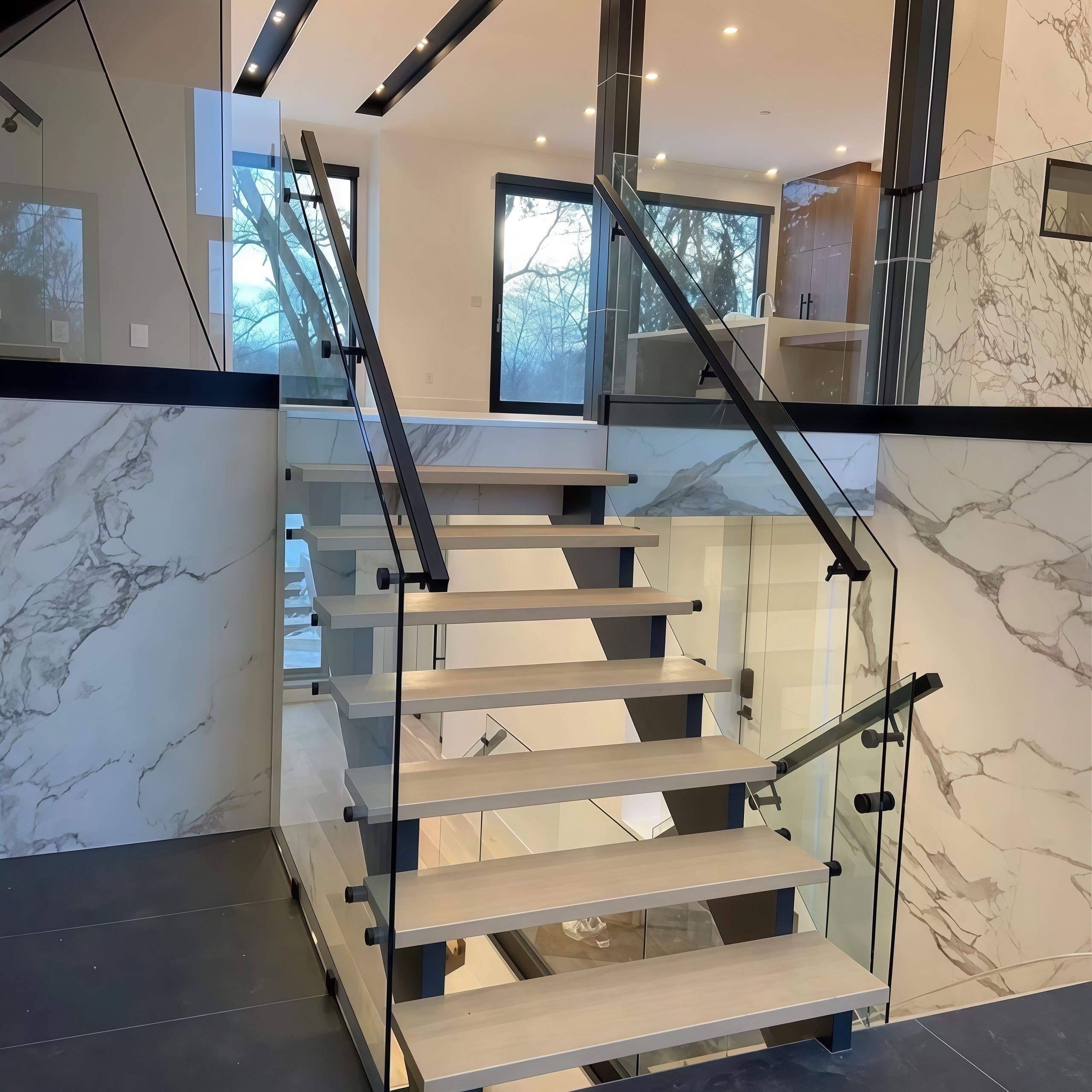
1. Standard Version For Construction Projects: Wall Thickness 2.5 mm - Standard For Construction Projects
① It fully complies with the core requirements of IBC-2021 1607.8.1, can reliably withstand a concentrated lateral load of 200 lb (890 N), and has a structural safety factor of ≥4.0, far exceeding the acceptance standards for engineering projects.
② Under long-term exposure to outdoor wind pressure, frequent human contact, and daily vibrations, there is no permanent deformation, no loosening of screws, and no glass displacement.
③ Field tracking over 5 years shows a failure rate of less than 3%, suitable for all scenarios, including residential, commercial, coastal, and high-wind-pressure environments.
④ Meets standards for fatigue resistance and resistance to thermal deformation, making it suitable for the harsh outdoor climate conditions in North America.
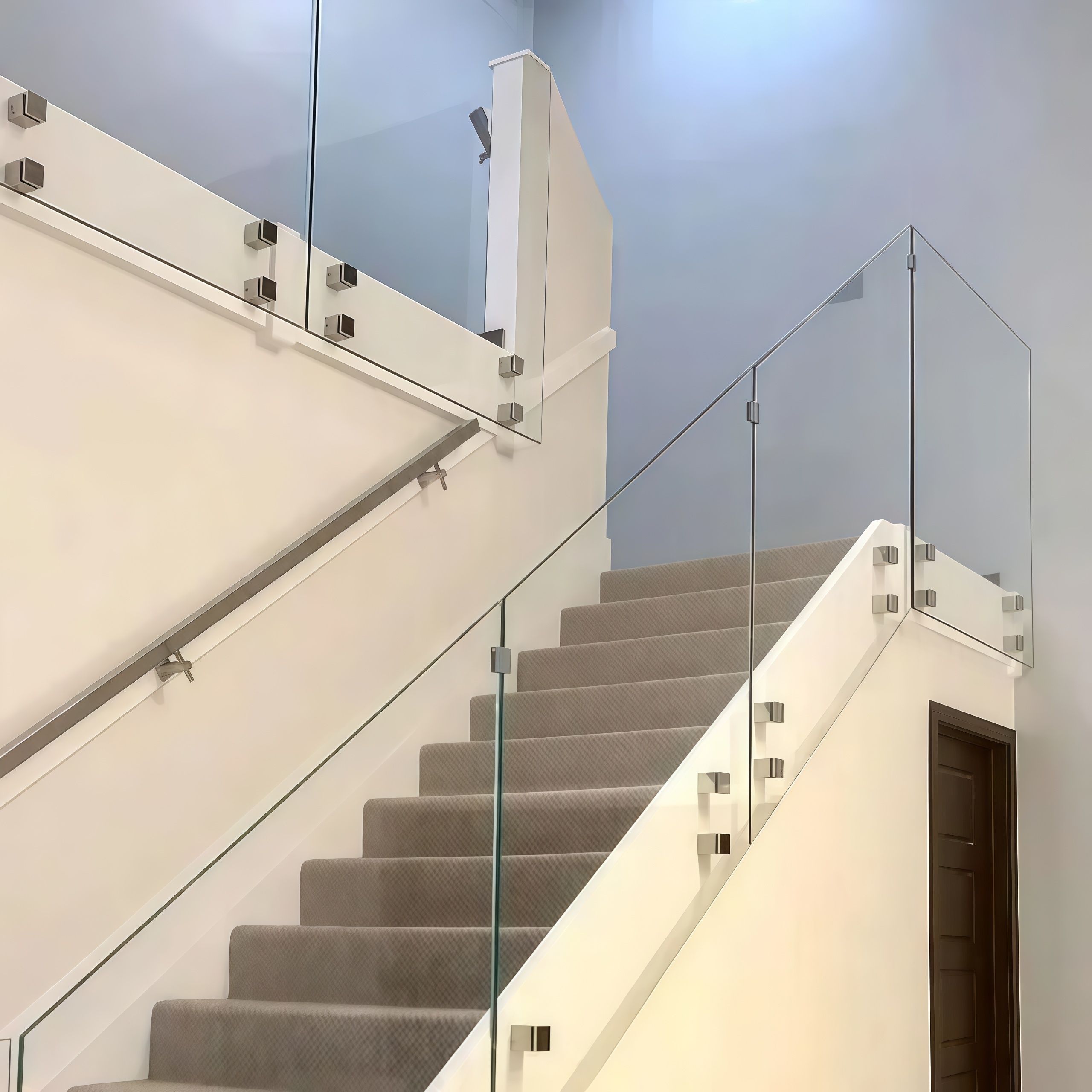
2. Low-Quality Models Available On The Market: 1.8 Mm Wall Thickness - Low-Priced & Mainstream Models
① The overall flexural strength decreased by 42%, and the structural load-bearing capacity was nearly halved.
② It fails to consistently pass the IBC standard 200-pound concentrated load test. Elastic deformation occurs under the ultimate load, but it becomes permanent deformation after prolonged loading.
③ Due to the repeated cycle of daily pedestrian contact and wind-induced vibrations, the screws continue to loosen, the clearance between the threads increases, and the noise problem recurs.
④ Within 2-3 years, the probability of failures such as guardrail shaking, glass misalignment, and seal failure reaches as high as 38%, resulting in extremely high after-sales maintenance costs.
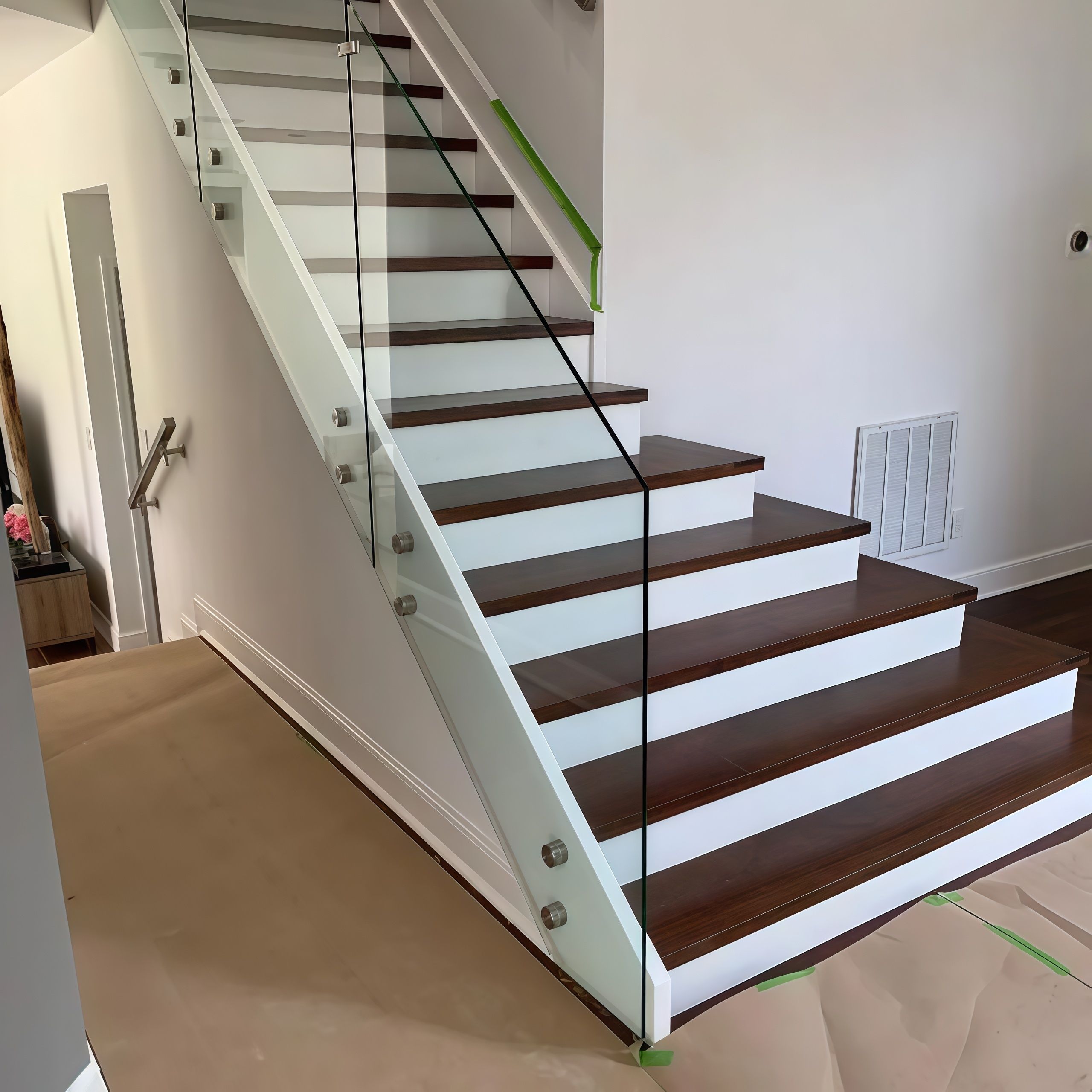
3. Low-Quality & Substandard Product: 1.2mm Wall Thickness - An Ultra-Low-Priced & Cut-Rate Model
① The flexural strength has decreased by 61%, and the structural safety factor is less than 1.5, which is far below the minimum engineering standard.
② Even a slight external force of just 120 lb (Equivalent To An Adult Leaning Lightly Against It) can cause irreversible bending deformation, resulting in a complete loss of load-bearing capacity.
③ Due to the cycle of thermal expansion and contraction caused by seasonal temperature fluctuations, the deformation stresses in the metal cannot be released, making it highly prone to overall displacement and to the risk of the glass shifting or falling off.
④ The probability of malfunctions - such as loosening, unusual noises, glass misalignment, and wobbling guardrails - within 1 year is as high as 74%, making it virtually impossible to last the entire warranty period.
An Ironclad Rule Of The Industry: While the outer diameter determines only the aesthetic appeal and installation compatibility of hardware, wall thickness alone determines the acceptance rate, long-term safety, service life, and rework costs of the entire system - it is the true make-or-break factor for the quality of engineering projects.
III. The Fatal Flaw Of The Leverage Effect: The Longer The Glass Standoff, The Greater The Risk Of Wall Thickness Reduction - Increased By A Factor Of 10
This is a core structural principle that 90% of designers and buyers overlook, and it is also the key reason why thin-walled glass standoffs are strictly prohibited in high-end overseas projects:
In a glass railing standoff system, the standoff functions as a cantilevered connection. According to the AISC 370 Steel Structures Code, as the overhang length increases, the bending moment increases linearly and exponentially, while the structural weaknesses of thin-walled tubing are infinitely amplified and become increasingly exposed. Standoff pins with short overhangs experience low loads, temporarily masking the risk of reduced wall thickness. As a result, failure is unlikely in the short term. However, for standoff pins with long overhangs installed in a cantilevered configuration, every 10 mm increase in overhang length significantly increases lateral bending moments, the risk of deformation, and fatigue loss, causing the fatal defect of reduced wall thickness to rapidly manifest.
By conducting actual tests on standard Φ25 mm standoff pins with varying protrusion lengths available on the market to determine their maximum safe bending moment values, we have visually demonstrated the principle of lever failure:
1. 20 mm Extension - Short & Standard Style
The maximum safe bending moment is 12 N·M, the structure is stable under load, and there are no apparent short-term safety concerns.
2. 40mm Extension - Common Mid-To-Long Style
With a maximum safe bending moment of only 5.8 N·M, the load-bearing capacity drops by 52%, and the safety factor is approaching the critical value.
3. 50 mm Extension - Long & Cantilevered Style
With a maximum safe bending moment as low as 4.8 N·M, the load-bearing capacity plummets by 60%, making it completely unsuitable for outdoor use and scenarios involving frequent loading.
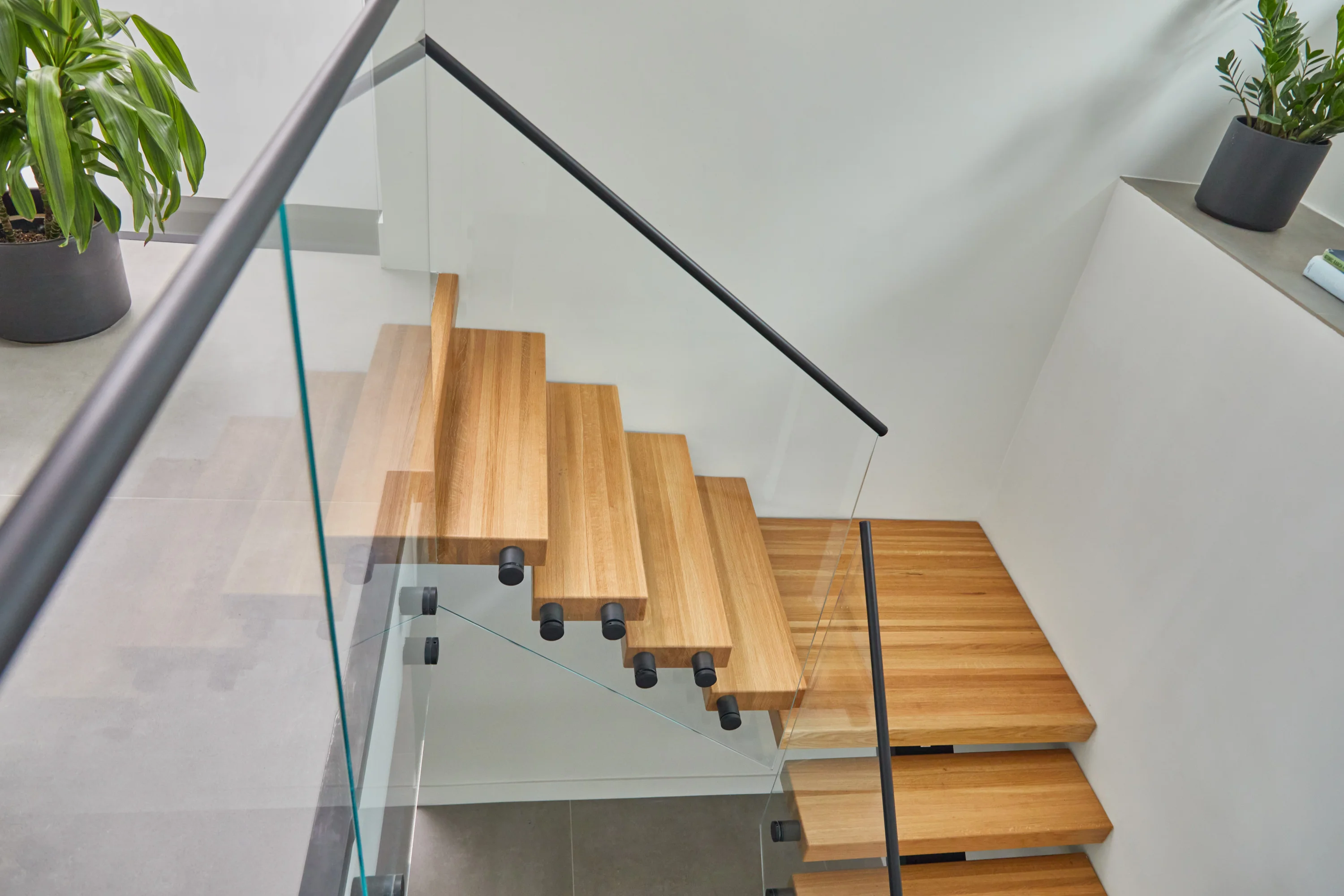
At the same time, this is the core reason behind the industry’s classic scenario of “perfect initial acceptance, followed by major setbacks and rework later on.”:
The combination of long overhangs and thin walls results in a flawless appearance, precise installation, and full compliance with static acceptance criteria. However, potential issues related to dynamic fatigue, long-term wind pressure, and thermal deformation will continue to accumulate. 6 months after project delivery, slight swaying began. 1 year later, loosening and unusual noises became frequent. And 2 years later, the entire structure had to be dismantled and rebuilt, completely eroding the project’s profits and damaging the brand’s reputation.
As a result, high-end villas, coastal commercial complexes, and municipal public projects in the United States explicitly prohibit the use of thin-walled and hollow glass standoffs and mandate that glass standoffs with long overhangs be solid and have thicker walls, thereby eliminating the risk of failure due to leverage effects at the source.
IV. Why Can’t The Naked Eye Or Conventional Calipers Detect That Material Has Been Reduced?
Countless Contractors And Procurement Quality Inspectors Share The Same Question:
When comparing the thin-walled and thick-walled versions of the same Glass Standoff model—whether by visual inspection, appearance comparison, measuring the outer diameter with standard calipers, or measuring the total length—there is absolutely no difference. How exactly do some manufacturers manage to secretly skimp on materials?
| The Answer Is |
The industry has long established standardized, covert manufacturing processes that circumvent all conventional inspection methods throughout the entire production process. These processes are specifically designed to evade standard industry quality control procedures, maximizing concealment, and have also given rise to a variety of advanced camouflage techniques:
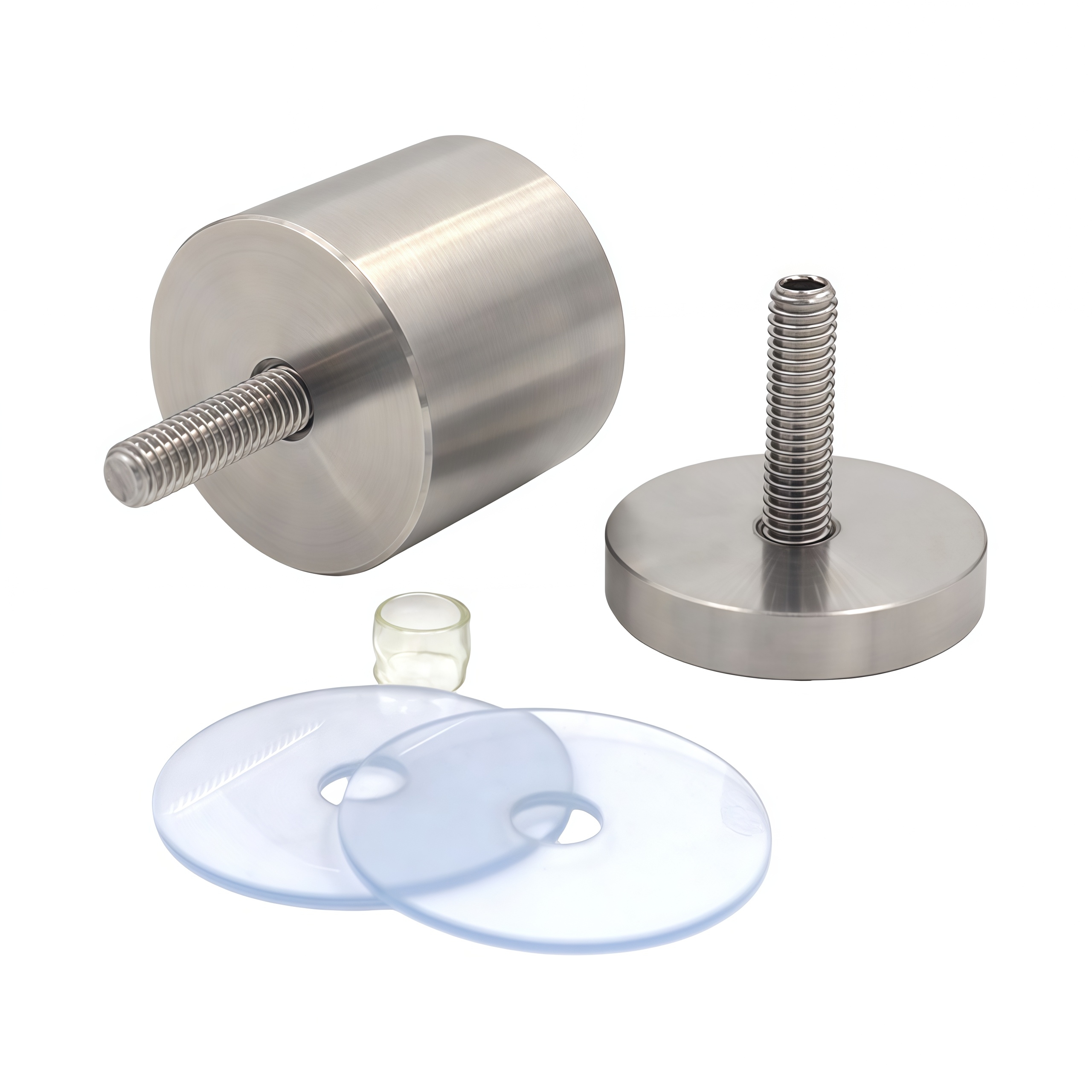
1. The Outer Surface Is Calibrated Using Disguised CNC Technology
The outer diameter was machined using a low-precision CNC lathe without strictly adhering to the reference standard’s nominal outer diameter. The error was controlled within ±0.05 mm, but the part did not fully meet the drawing and installation requirements.
2. Enlarging And Thinning The Inner Bore
Without altering any external dimensions, the wall thickness is reduced simply by enlarging the internal bore. There is no visible difference in appearance or on the end faces.
3. Camouflage With Tapered Ends
There is no standardized processing for the length of the end closures or the flatness precision. The process merely ensures that the total length of the product is consistent and the end faces are neat, thereby completely bypassing the screening of basic dimensions.
4. Non-Standard Thread Machining
The thread depth, pitch, specifications, and other parameters do not fully comply with quality standards such as Chinese and American standards. During installation and fitting, only minor jamming occurs. Once installed on-site, no abnormalities can be detected.
5. Technique For Falsifying Inspection Results Through Local Thickening
By simply thickening the wall in a 2-3 cm area around the pipe end while significantly thinning the wall in the core stress-bearing section of the pipe, quality inspectors conducting routine measurements of the pipe end wall thickness may mistakenly judge the product to be up to standard. This is currently the most covert method of material theft.
Although the finished products ultimately passed all surface quality inspections - including outer diameter, total length, thread specifications, installation compatibility, and appearance—their core structural strength, wind pressure resistance, fatigue life, and safety factor all failed to meet the acceptance standards for international engineering projects.
💡Key Tips For Avoiding Pitfalls
Standard vernier calipers only measure the outer diameter and the wall thickness at the pipe end; they are 100% incapable of detecting material theft! The only effective inspection method is to cut open the middle section of the pipe and measure the actual, uniform wall thickness in the core stress area.
V. What Are The Consequences Of Wall Thickness Shrinkage In Glass Standoffs In Different Engineering Project Scenarios?
The risk of wall thickness reduction in glass standoffs is not uniform. The probability of failure varies depending on the frequency of stress in the application, environmental conditions, and load size. Many manufacturers use excuses such as “The Application Is Simple” or “Thick Walls Are Not Necessary” to mislead buyers, when in reality they are simply using these as excuses to cut corners and lower costs.
Drawing on relevant ISO 12944 standards from the International Organization for Standardization, as well as on-site operation and maintenance data from real engineering projects. We’ll break down the four most common usage scenarios to see what kinds of issues actually arise under different conditions.
1. Light-Weight Indoor Scenes - Indoor Glass Partitions, Simple Partitions, And Low-Load Decorative Glass
The stress on these components is minimal, and there are no high-frequency impacts or wind pressure loads. The immediate safety risk posed by slight wall thickness shrinkage is low, and issues such as rapid failure are unlikely to occur. However, after long-term use, problems such as slight wobbling, increased gaps, and loose trim may still arise, directly reducing the product’s overall service life by 40%-60% and leading to premature aging and scrapping.
2. Indoor Stair Railings - Core Scenarios Involving Frequent Contact And Repeated Loading
Indoor staircases are areas with high foot traffic and frequent handrail contact, subject to repetitive fatigue loads; they are also a common application where glass handrail standoffs are exposed to repeated loading. Insufficient wall thickness can cause minor deformations with every instance of a person leaning on or using the handrail, and as these deformations accumulate over time, issues such as loosening of threaded connections, repeated thread stripping, rattling and wobbling of the handrail, and uneven gaps between glass panels may arise. This ultimately leads to persistent complaints from users, and the costs of on-site troubleshooting and repairs continue to mount, causing annual after-sales costs for small projects to double.
3. Standard Outdoor Guardrails - Designed For Conditions With Sustained Wind Pressure And Significant Day-To-Night Temperature Fluctuations
Glass guardrail standoffs used in outdoor guardrails are constantly exposed to natural wind pressure and undergo repeated cycles of thermal expansion and contraction day and night, placing extremely high demands on the material’s rigidity and deformation stability. Thin-walled tubes lack sufficient wind-resistance stiffness; after repeated deformation under stress, they cannot return to their original shape on their own, leading to the continuous accumulation of structural deviations. This directly causes issues such as glass displacement, uneven gaps, overall railing misalignment, and sealant cracking. These problems result in point deductions during on-site final inspections. In severe cases, the project may fail to pass municipal inspection, requiring comprehensive rectification and rework.
4. Coastal Areas, Swimming Pools, And Areas with High Wind Pressure - High-Risk, Life-Threatening Scenarios
This is the scene where the consequences of reduced wall thickness are most severe, involving the combined risk of “Structural Stress Defects And Corrosion Failure”. Coastal salt fog and high-chloride ion environments found in swimming pools will continuously corrode the Glass Standoff, further thinning the pipe walls, causing a continuous decline in stiffness, and significantly increasing the rate of deformation and the probability of failure.
According To A Research Paper Published In The NACE Journal CORROSION On The Factors Affecting The Corrosion Rate Of Coastal Building Components:
For coastal, seaside, and swimming pool projects, the use of thin-walled glass standoffs results in a 62.7% probability of repairs, failure, or complete removal within 3 years - a rate far higher than that of conventional projects - and is highly likely to lead to safety incidents and substantial claims.
VI. A Breakdown Of Actual Rework Costs: Saving A Few Dozen Dollars On Hardware Leads To Engineering Costs Of Over $10,000
Many procurement departments and general contractors prioritize low-cost, thin-walled glass standoffs in order to reduce the cost per purchase. While the purchase cost of a single set of thin-walled products is only 15-25% lower than that of compliant thick-walled models - seemingly offering excellent value for money - this is actually a short-sighted, short-term gain that does not justify the cost.
Based on the publicly available repair pricing standards from licensed glass railing service providers in Las Vegas, USA, and the North American Construction Engineering Association, if a thin-walled glass standoff fails, a glass railing with standoffs may require extensive rework. The detailed cost breakdown for a full rebuild is staggering, fully offsetting and far exceeding the initial savings on parts:
1. Labor Costs For Demolition
Between $2,200 and $2,800, accounting for 21% to 24% of the total rework cost, this process requires certified professionals to remove the glass, install fittings, and secure the base - a time-consuming and labor-intensive task.
2. Custom Re-Cutting Of Tempered Glass With Holes
Between $2,400 and $4,000, accounting for 28% to 33% of total rework costs, custom glass has a long production cycle and a high scrap rate, and used glass cannot be reused.
3. Cost Of Replacing A Complete Set Of Glass Hardware Components
Includes the complete set of accessories - the Glass Standoff unit, spacers, screws, seals, mounting base, etc. - which have no resale value.
4. Labor Costs For New Installation
Between $2,600 and $3,200, accounting for 24% to 27% of the total rework costs. Reinstallation requires precise leveling, joint adjustment, and load testing, and the standards are higher.
5. Construction Delays And Compensation For Material Breach Of Contract
Between $2,000 and $3,000, accounting for 17% to 22% of total rework costs. Project delays can lead to contract breaches and damage brand reputation and future business opportunities.
Based On Benchmark Data From Leading Global Building Materials Markets
The market price for new residential glass railings is only $150-250 per foot, but if a complete rework is required, the total cost can immediately reach 60%-85% of the cost of a new installation. The ten or so dollars saved per set of components in the early stages will ultimately eat into the project’s overall profits by a factor of tens of times through rework, compensation claims, and post-sales losses. This is also the core reason behind the losses and ruined reputations of countless overseas construction projects.
VII. The Industry’s 5 Most Common Hidden Lies: Sales Pitches And Traps Specifically Designed To Deceive Buyers In Overseas Engineering Projects
In the procurement of Glass Standoffs, many so-called manufacturers have developed a set of standard sales pitches specifically designed to exploit information gaps, blind spots in acceptance procedures, and misconceptions on the part of purchasers.
The vast majority of procurement pitfalls stem from blindly believing these five industry myths. Here, we’ll debunk each one to help you avoid risks when making inquiries and placing orders:
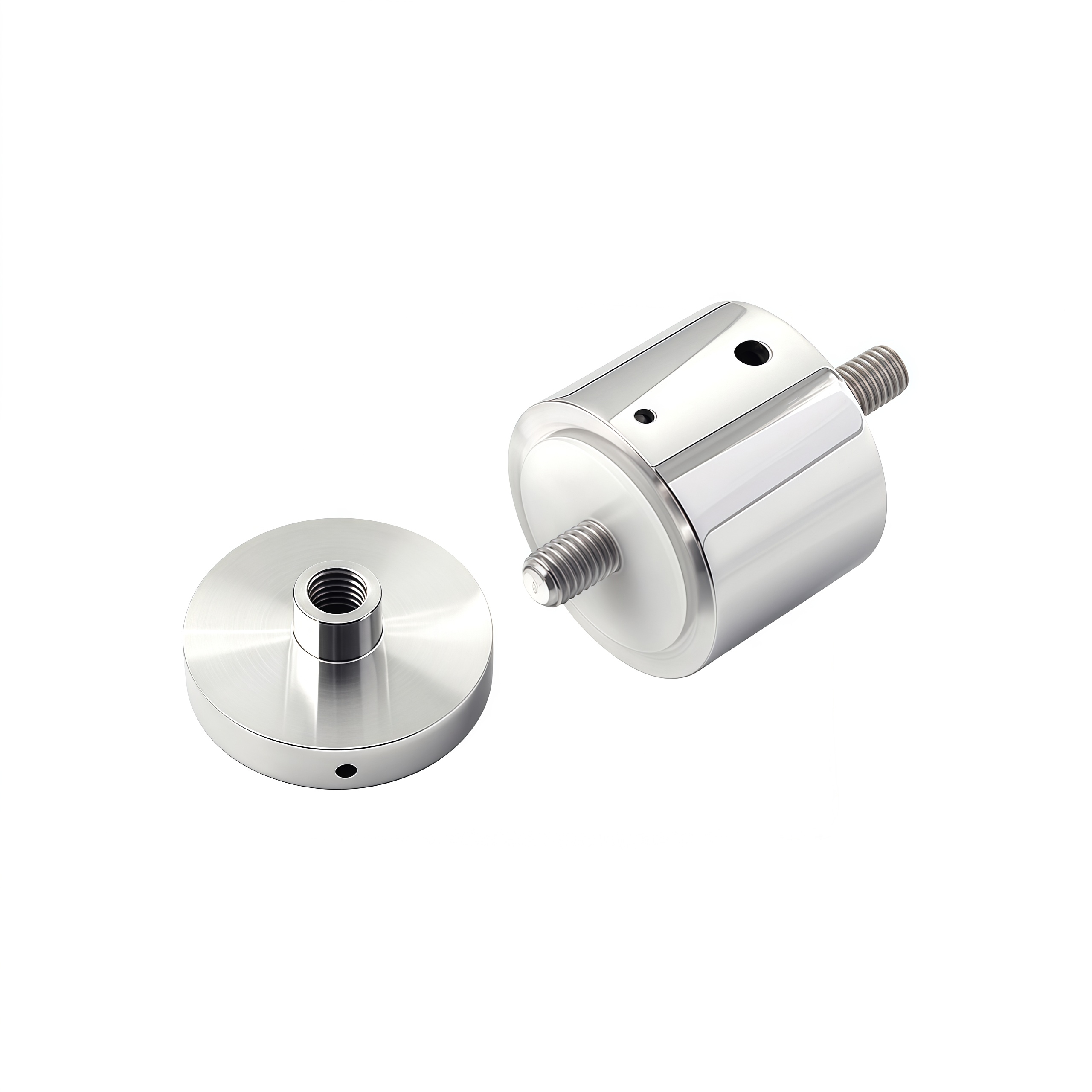
🕳️Lie 1: Same Outer Diameter = Same Product Performance
Truth: The outer diameter merely indicates the dimensional compatibility for installation and has no bearing on structural strength. According to the AISC-370 code, products with the same outer diameter can vary in structural strength by as much as 60% or more due to differences in wall thickness, and the difference in safety factors can exceed threefold. They are therefore not considered equivalent engineering products.
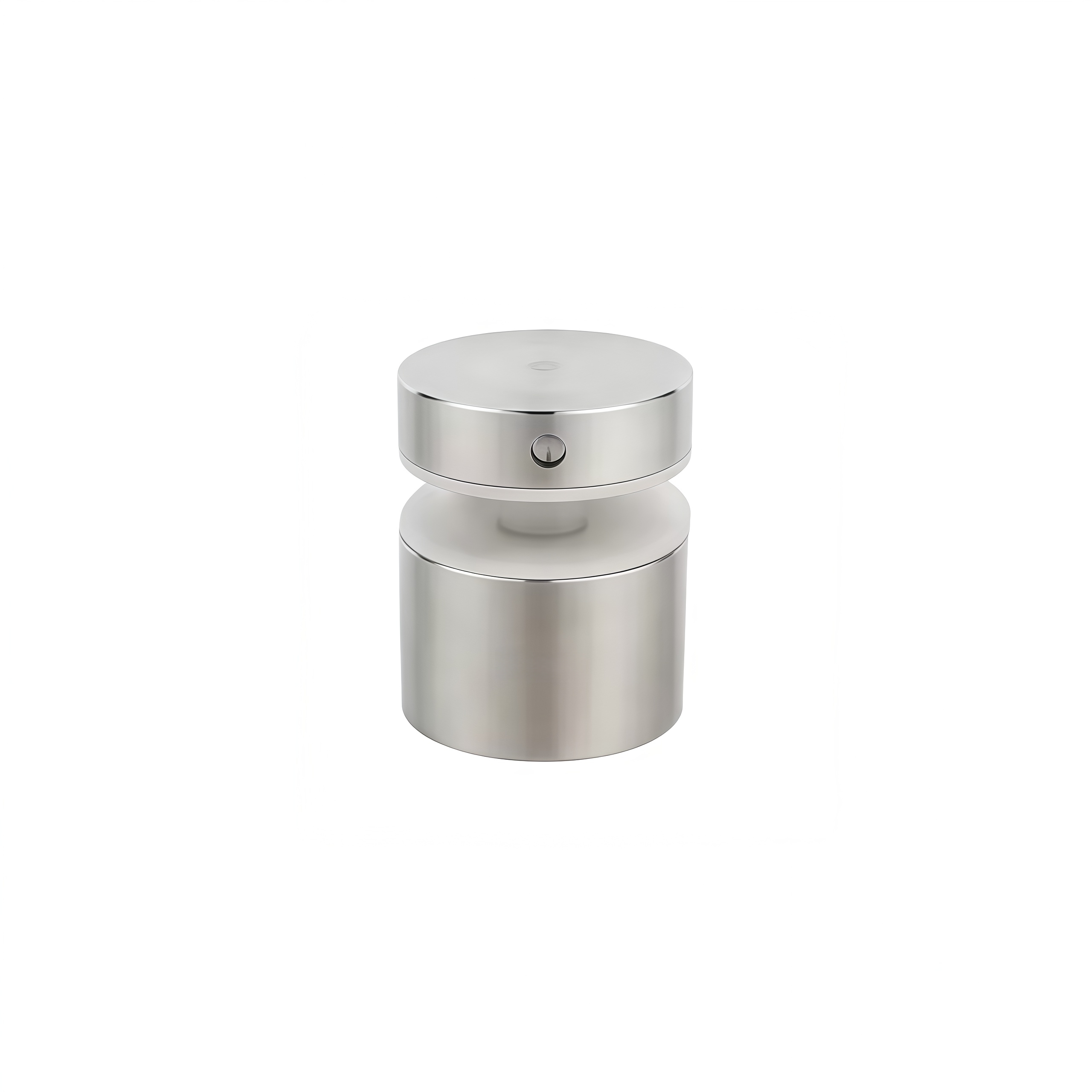
🕳️Lie 2: Indoor Projects Do Not Require Thick Materials Then Thinner Ones Are Sufficient
Truth: Indoor staircases and partitions are subject to high-frequency, repetitive fatigue loads, so the notion that “Good Enough Is Good Enough” simply does not apply. Thin-walled tubing subjected to small cyclic loads over the long term will continuously accumulate fatigue deformation, making it highly likely that issues such as loosening, unusual noises, and misalignment will occur within 2 years - posing significant potential for after-sales problems.
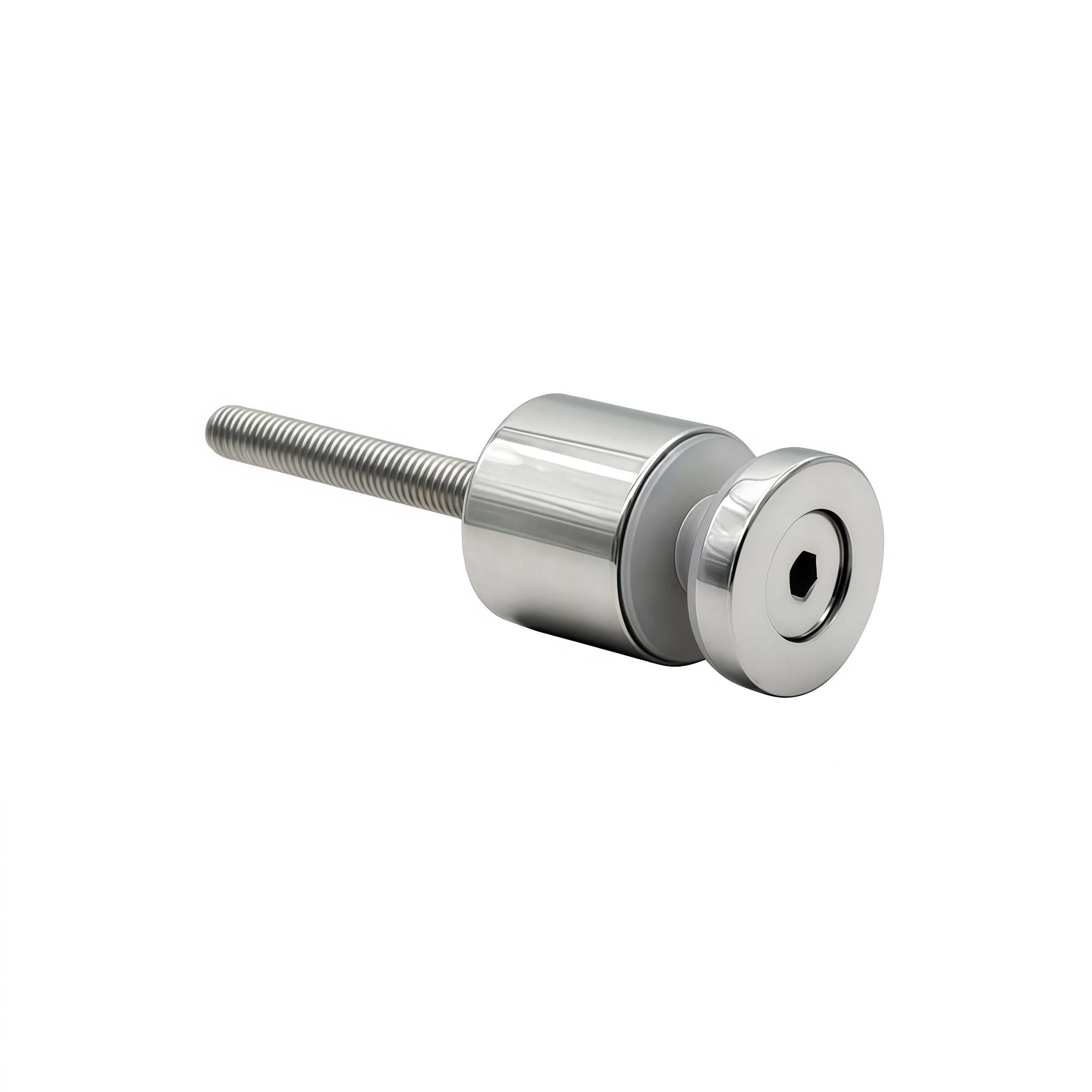
🕳️Lie 3: Short Protrusion Distance And Slightly Thinner Wall Thickness Are Fine
Truth: Shorter-length specifications result in lower bending moments and pose fewer short-term risks; however, fatigue damage caused by long-term thermal expansion and contraction, environmental vibrations, and everyday contact will not disappear. The probability of failure remains 3 to 5 times higher than that of compliant thick-walled models - it simply takes longer to fail, and they are not absolutely safe.
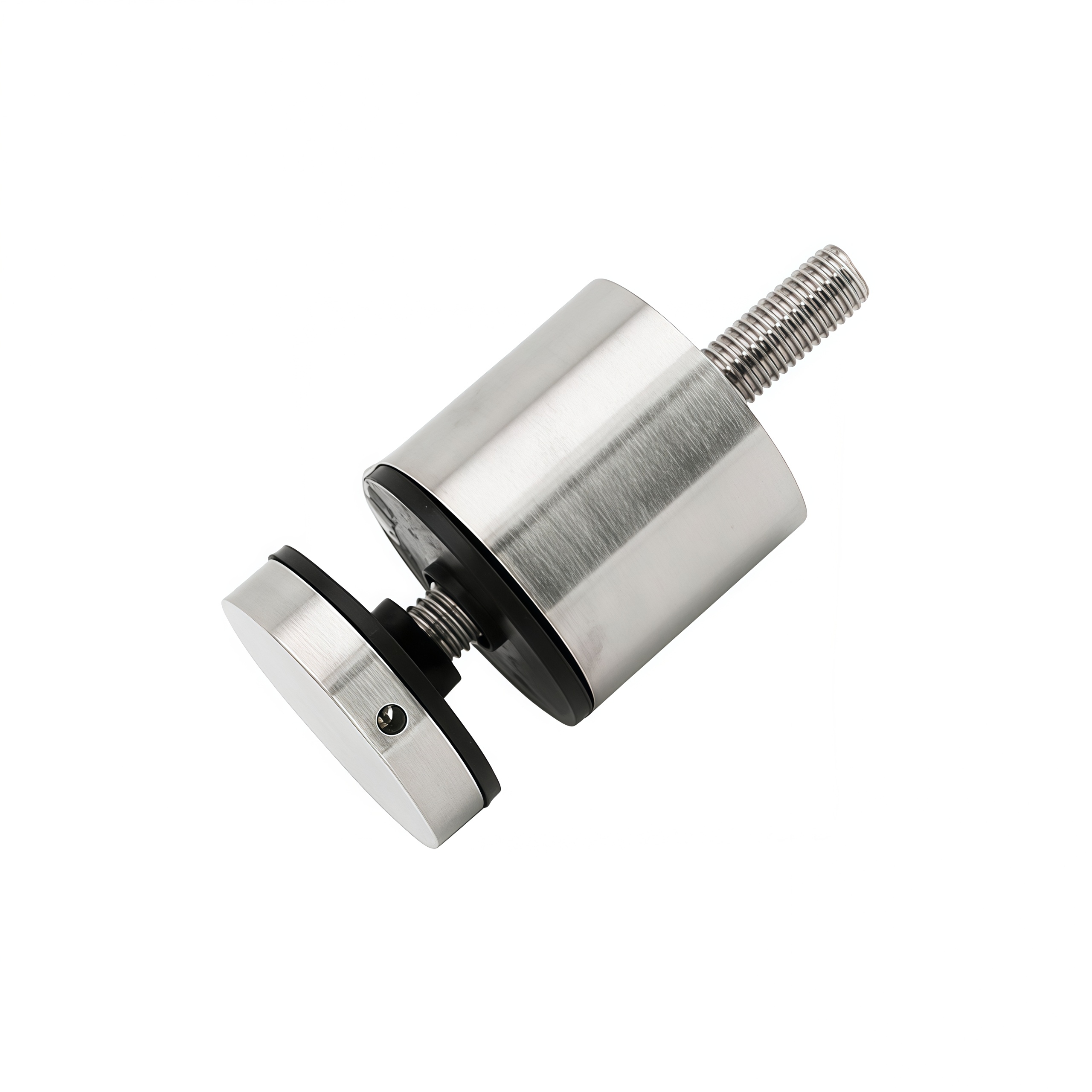
🕳️Lie 4: SUS304 = High Quality And Safety Standards
Truth: Material compliance ≠ structural compliance. While 304 and 316 stainless steel meet the standards, if the wall thickness is significantly reduced or the structural rigidity is insufficient, the components are still considered non-compliant. The root causes of structural failure and loose guardrails are insufficient wall thickness, which is not necessarily related to the type of stainless steel material used.
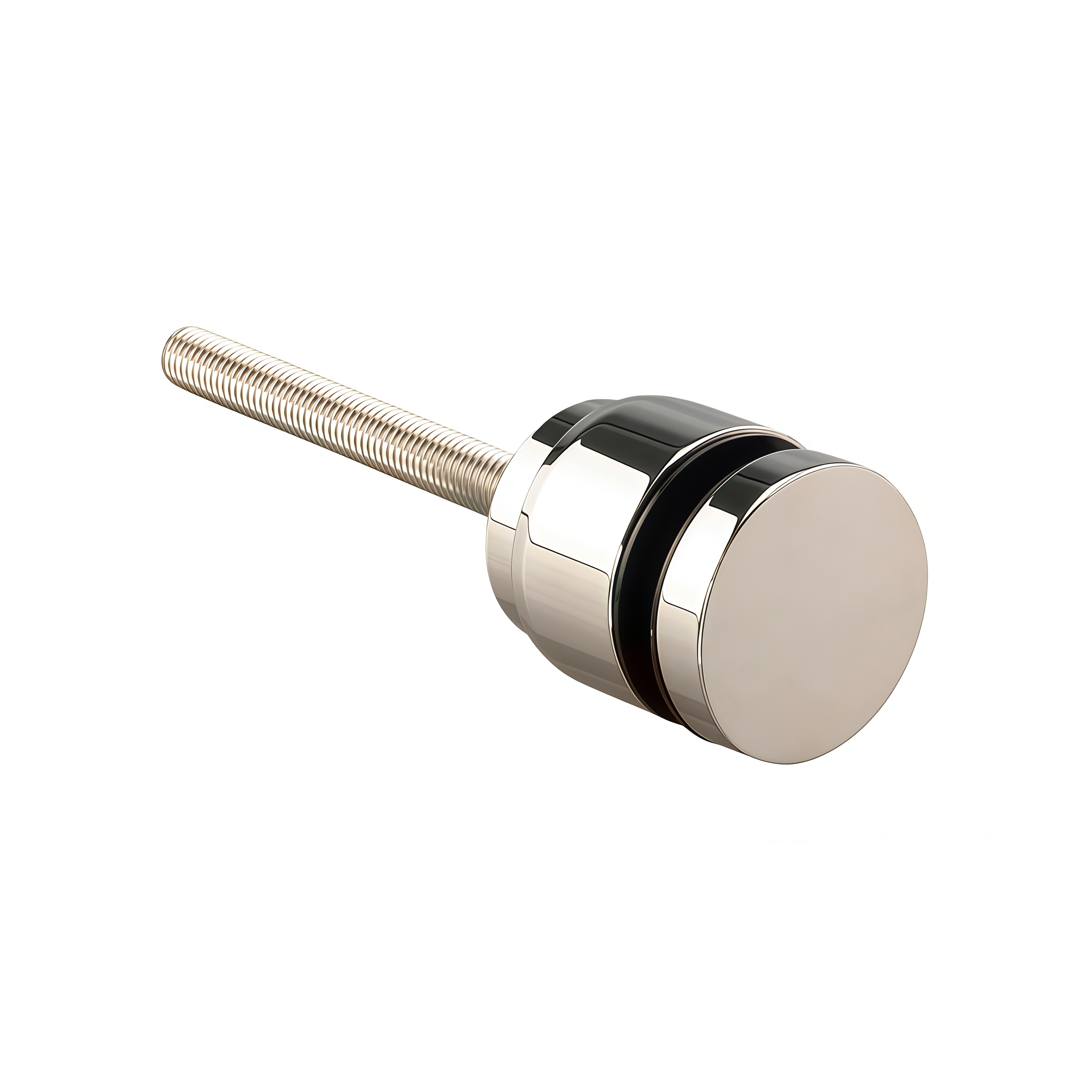
🕳️Lie 5: On-Site Inspection Passed = No Quality Issues
Truth: On-site final inspections for IBC projects consist solely of static visual inspections and transient load tests; they do not include long-term fatigue deformation, cyclic wind pressure, or temperature difference durability tests. 90% of potential issues related to reduced wall thickness will surface all at once 8 to 12 months after the project is delivered and put into use, perfectly evading the inspection period.
VIII. Final Procurement Thresholds For Standard Wall Thicknesses By Specification
Based on the IBC (International Building Code), the ASTM A240-24a Material Standard, and the AISC Structural Steel Load-Bearing Requirements, and tailored to all engineering scenarios, we have compiled the definitive wall thickness threshold standards that can be directly applied to contract provisions and inspection procedures. These standards can be directly applied to all overseas projects to prevent non-compliant or substandard products from entering the site:
1. Φ16 - Indoor Glass Partitions, Light-Weight Glass Decorations, And Other Low-Load Scenes
✅ Minimum Compliant Wall Thickness For The Project: ≥1.5 mm
❌ Strictly Prohibited From Bringing In Unauthorized Materials: 1.0-1.2 mm - Thin-Walled Shrinkage Version
2. Φ19 - The Popular Size For Indoor Railings, Standard Partitions, And Similar Items
✅ Minimum Compliant Wall Thickness For The Project: ≥2.0mm
❌ Strictly Prohibited From Bringing In Unauthorized Materials: 1.4-1.7mm - Custom Thin-Walled Version
3. Φ25 - Outdoor Railings, Coastal Projects, Heavy-Duty Stair Railings
✅ Minimum Compliant Wall Thickness For The Project: ≥2.5mm
❌ Strictly Prohibited From Bringing In Unauthorized Materials: 1.6-2.0mm - Shrunken Non-Standard Styles Version
Industry-Mandated Additional Rules
1. For all Glass Standoff components with a projection length greater than 40 mm, the wall thickness must be increased by an additional 0.3 mm to fully offset the magnification effect of the cantilever bending moment and prevent structural failure of the long members.
2. For outdoor, coastal, pool, and high-chloride corrosion environments, in addition to meeting the required wall thickness, the material must be upgraded to 316/316L stainless steel to strictly comply with the ASTM A240-24a corrosion resistance standard, ensuring both structural strength and corrosion resistance.
3. For all load-bearing hardware used in guardrails, suppliers must provide written documentation of actual wall thickness specifications, material spectroscopic test reports, and IBC load-deflection test reports. Verbal specifications and vague parameters will not be accepted.
IX. Don’t Let Low Prices Fool You Anymore: 6 Must-Check Items When Purchasing Glass Standoff Mounts - 100% Guaranteed to Prevent Thickness Reduction
To address the pain points associated with overseas procurement, engineering, procurement, and construction (EPC) contracts, and designer inspections, we have compiled a set of ready-to-implement self-inspection checklists that cover the entire process of procuring glass standoffs, helping you avoid hidden material-shortage pitfalls from the outset:
X. Summary
The biggest pitfall in the glass standoff industry has never been cosmetic defects, surface rust, or poor workmanship - issues that are immediately apparent, but rather the hidden reduction in wall thickness that lies within, is invisible to the naked eye, falls outside the scope of inspection, and only becomes apparent later on.
While The Outer Diameter Can Be Perfectly Disguised Through Manufacturing Processes To Meet All Installation And Preliminary Inspection Standards, Wall Thickness Can Never Be Faked When It Comes To Structural Safety, Mechanical Properties, And Long-Term Service Life.
For procurement projects of various types, understanding wall thickness specifications, identifying common methods of material skimming, and adhering to procurement red lines are the keys to avoiding 90% of the risks associated with guardrail rework, preventing losses of $10,000, and safeguarding the project’s reputation and profitability.

Don’t wait until your project runs into problems to realize you bought the wrong Glass Standoff!
Whether you’re about to submit a bid, preparing for a procurement, or currently working on a construction project, feel free to send us your project details, glass specifications, installation height, and intended use.
Our engineering team can help you verify this in advance:
· Is The Pipe Wall Thickness Appropriate?
· How Should The Material Be Selected?
· Is The Load Appropriate?
· How Should The Specifications Be Determined?
· How Should The Technical Specifications Be Written In The Contract?
The Goal Is Very Simple: Before Placing An Order, Make Sure To Check For Any Potential Pitfalls.
XI.FAQ
1. Does the IBC specify a minimum wall thickness for glass standoffs?
No. The IBC establishes structural load requirements for guard and handrail systems, but it does not establish that the IBC directly specifies a universal minimum wall thickness for individual glass standoffs. For procurement purposes, evaluate wall thickness alongside the standoff diameter, projection length, material grade, connection design, substrate, and verified load performance.
2. Is 2.5 mm the minimum wall thickness for a 25 mm glass standoff?
Φ25 mm glass standoffs intended for outdoor railings, coastal projects, and heavy-duty stair railings use ≥2.5 mm as the minimum project threshold. Products in the 1.6–2.0 mm range are treated as thin-wall versions requiring additional scrutiny.
3. Does the same outer diameter mean two glass standoffs have the same strength?
No. Two glass standoffs can have the same outer diameter, finish, thread specification, and appearance while having substantially different internal wall thicknesses. Reducing wall thickness by enlarging the internal bore decreases the effective metal section without changing the visible outside dimensions. This is why visual inspection and outer-diameter measurement alone cannot establish structural equivalence.
4. How does standoff projection length affect structural demand?
A longer projection increases the leverage applied to the standoff connection. As the distance between the glass load point and the mounting surface increases, the same lateral force produces a larger bending demand at the support. That makes wall thickness, connection rigidity, thread engagement, and anchorage increasingly important.
5. Is 304 stainless steel acceptable for exterior glass standoffs?
Wall thickness and stainless-steel grade solve different problems. Adequate wall thickness helps maintain structural stiffness and load capacity, while the stainless grade affects corrosion resistance. For outdoor, coastal, poolside, and high-chloride environments, we recommend upgrading load-bearing glass standoffs to 316 or 316L stainless steel in addition to meeting the required structural wall thickness.
Do you have a specific project? Just send us the specifications, and we’ll help you select the right Glass Standoff, perform technical verification, and develop a customized solution.
References & Sources
1. IBC-2021, International Building Code, Section 1607.8.1, Guard Concentrated Load Requirement
3. AISC-370-21, Specification for Structural Stainless Steel Buildings
4. ISO 12944, Corrosion Control for Steel Structures in Coastal Environments
5. NACE CORROSION Effect of Distance from Sea on Atmospheric Corrosion Rate