Regular Maintenance Practices Keep Bathroom Fittings Looking New for Years
.png) Busrom Team
Busrom Team- •
- 2 MIN TO READ
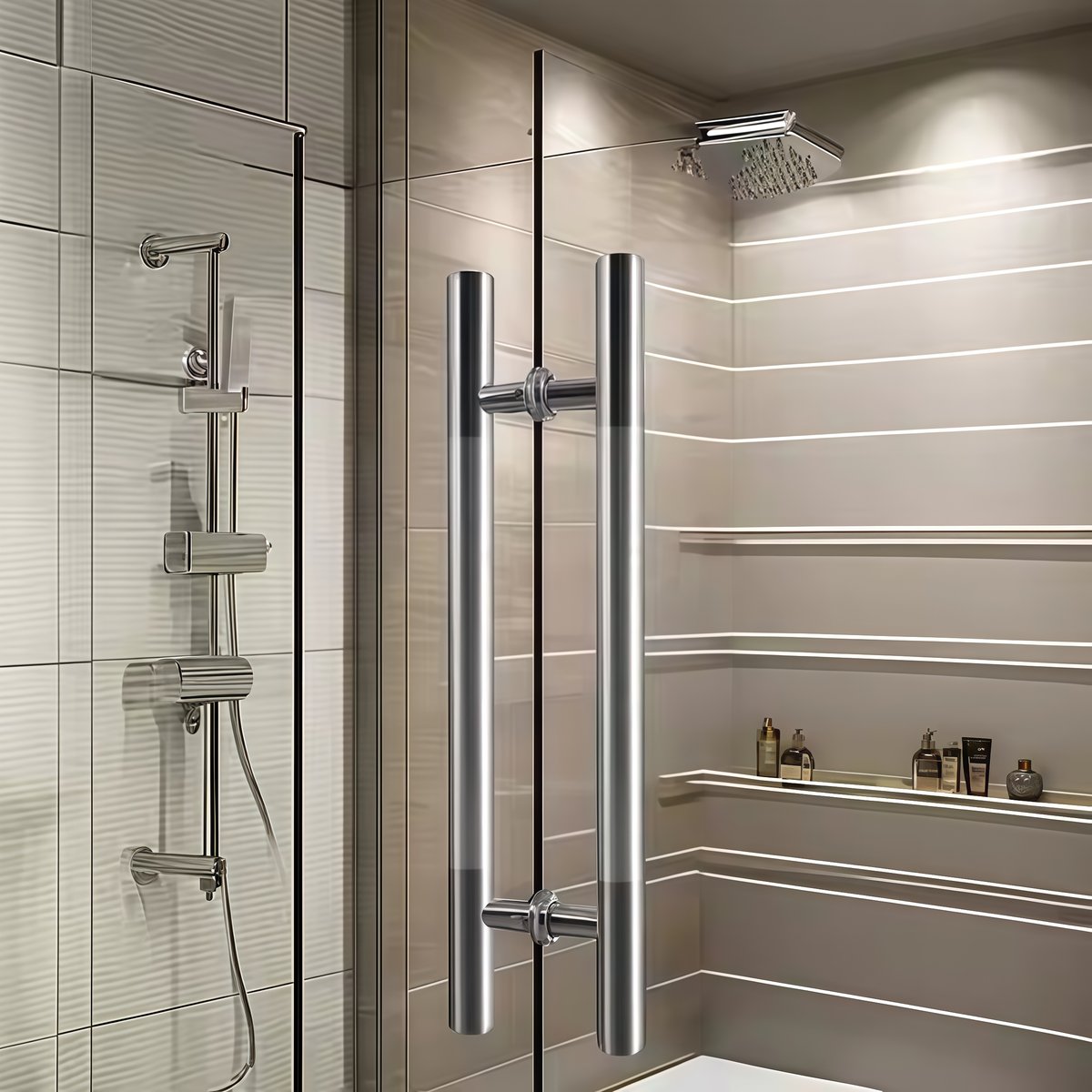
Restroom surfaces are constantly subjected to high humidity and moisture, as well as constant handling. As a result, their surface area tidiness and maintenance impact not just visual allure but also the steel's sturdiness and life expectancy. Shower door deals made from 304 stainless-steel or those with electroplated coatings are especially vulnerable without appropriate treatment. Water discolorations, oxidized fingerprint marks or minor hazing can show up within just 3 to 6 months. For that reason, developing a constant and reasonable routine maintenance regimen is critical.
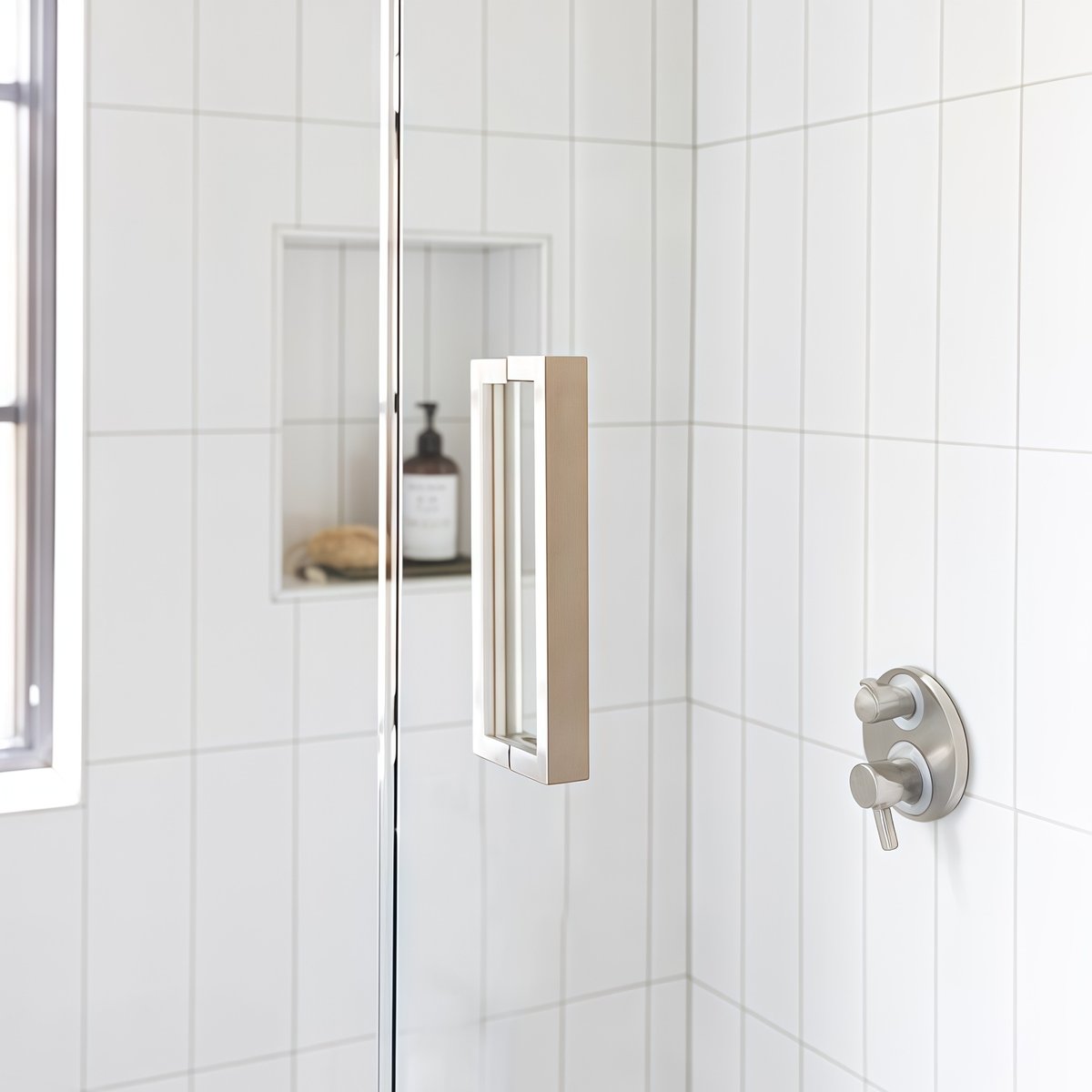
Routine Cleansing Methods
The most basic cleaning technique involves cleaning the surface with cozy water, a neutral detergent with a pH of 6-8, and a soft microfiber towel. This approach effectively removes 85%-90% of daily fingerprint oils and water residue without harming the metal's protective layer. Prevent utilizing steel wool or solid acidic/alkaline cleaners, as these can quickly jeopardize the surface's oxide layer, making the metal a lot more vulnerable to corrosion or deterioration.
Advanced Upkeep Methods
An unusual innovative technique involves making use of specialized stainless steel maintenance oil or protective spray. These products develop a safety film externally, decreasing fingerprint adhesion by over 60% and reducing surface dampness erosion. Application every 2-4 weeks is typically adequate. Extreme regularity is unnecessary.
Periodic deep polishing is another choice, though it is commonly suitable only for cleaned or mirror finish stainless steel. After 6 to 12 years of use, a professional steel care cloth can be made use of for light sprucing up, restoring the surface area to 80%-95% of its initial gloss.
Suggested Cleansing Regularity
In a household setup, specifically for a master restroom or one shared by numerous individuals, it is suggested to do a quick surface area clean every 2-3 days and a more comprehensive cleaning once a week. This regularity keeps the buildup of surface spots reduced, preserving visual sanitation at a "near-new" degree of over 90% in the long-term.
In high-traffic setups like hotels or apartment buildings, where fixtures may be touched 50 to over 150 times daily. It is suggested to execute a fast cleaning at least daily and a deep cleansing every 2-3 days. This prevents the mixture of oils and limescale from solidifying right into persistent, layered stains.
For guest shower rooms, the cleansing frequency can be reduced to one or two times a week. Nonetheless, maintaining the fixtures dry remains essential, as extended exposure to lingering moisture can trigger the metal surface to shed its gloss.
Generally overlooked "cleansing blunders" that in fact create damage:
1. Repeated dry cleaning without degreasing
Wiping exclusively with a completely dry towel squashes out oils, developing an unnoticeable oily film that triggers the surface area to slowly dull.
2. Leaving a damp cloth on the surface for too long
Leaving a damp towel in position for more than 5 minutes can cause localized water stains to set, forming distinct white places, especially in areas with hard water.
3. Making use of chlorine-based cleansers
Chlorine, located in products like bleach, damages the stainless steel's protective passive layer, leading to local pitting or oxidation spots that generally appear after 2-4 weeks.
4. Disregarding installation gaps
The areas around take care of bases and screw openings are prime areas for dust buildup. Approximately 70% of corrosion spots actually stem from and spread out from these areas.
While cleaning methods matter, the option of tools is the key to efficiency. The devices made use of often have a better effect on the outcome than the cleaner itself. →
·Microfiber Cloths ·Sponges ·Non-Reusable Alcohol Wipes ·Soft-Bristled Toothbrushes
Cleansing and preserving the bathroom takes care of is not merely a one-off job, but a recurring process of surface area condition monitoring. Cleaning frequency establishes the ceiling for tidiness, the cleaning technique determines the material's life span, and environmental variables integrated with use behaviors determine the rate at which soiling happens. By preserving a consistent, light maintenance regimen, hardware can keep the shine and beautiful appearance of a brand-new installation, even in high-humidity, high-traffic shower room atmospheres, therefore continuously boosting the general quality of the area.
Busrom Team
Marketing Department
Committed To Providing The Highest Quality Indoor & Outdoor Solutions Worldwide.