How To Choose The Correct Glass Standoff Pin
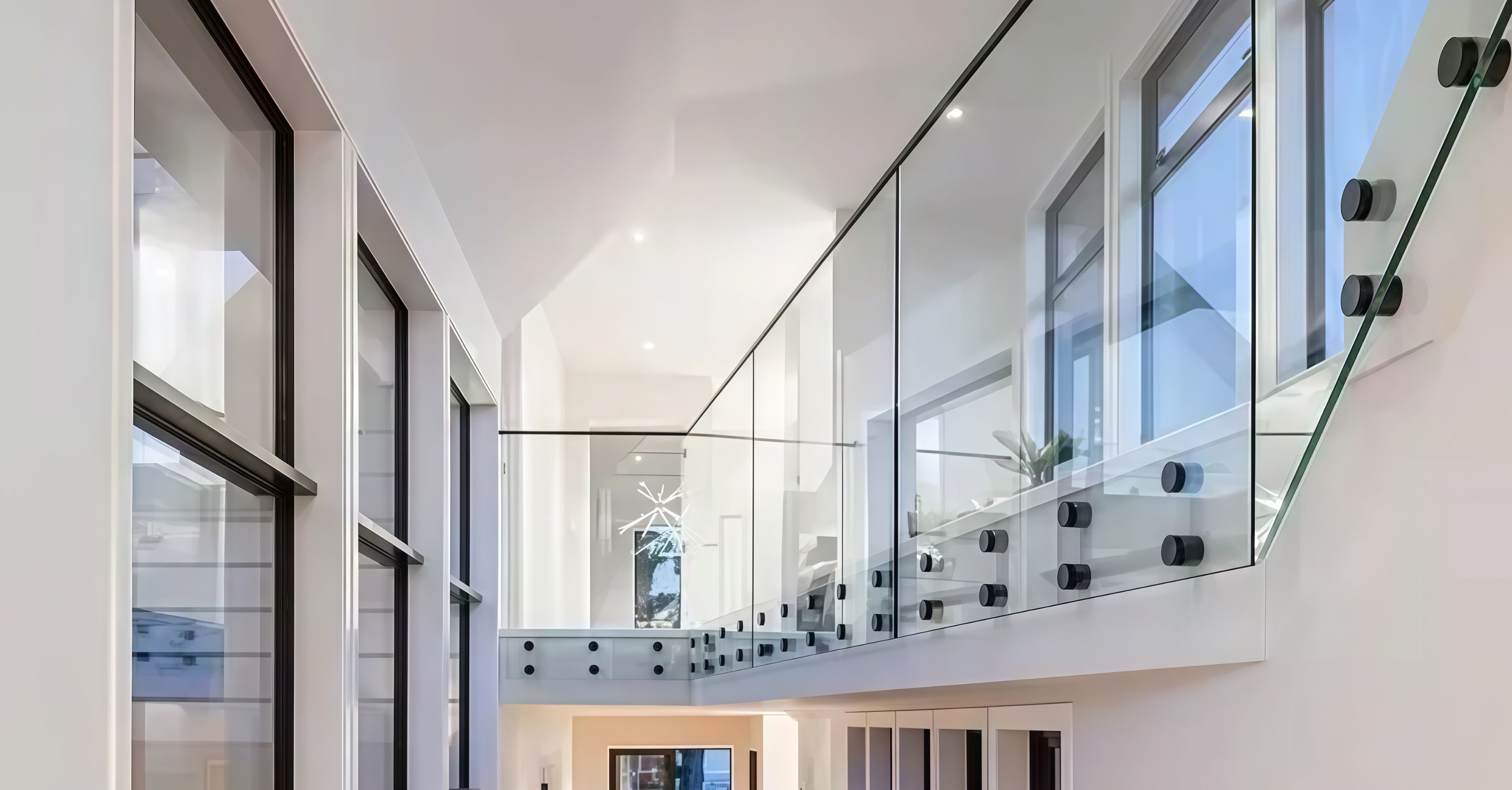
Glass Standoff Pins may look small but carry significant responsibility: They determine whether your glass/acrylic panel can "float beautifully," withstand wind and shocks, and endure the test of time and frequent touching by family and friends.
Many friends may ask: Why do Standoffs require careful selection? Standoffs are fasteners used to create distance between panels (glass, acrylic, metal sheets, etc.) and mounting surfaces (walls, backplates), achieving a floating or decorative effect.
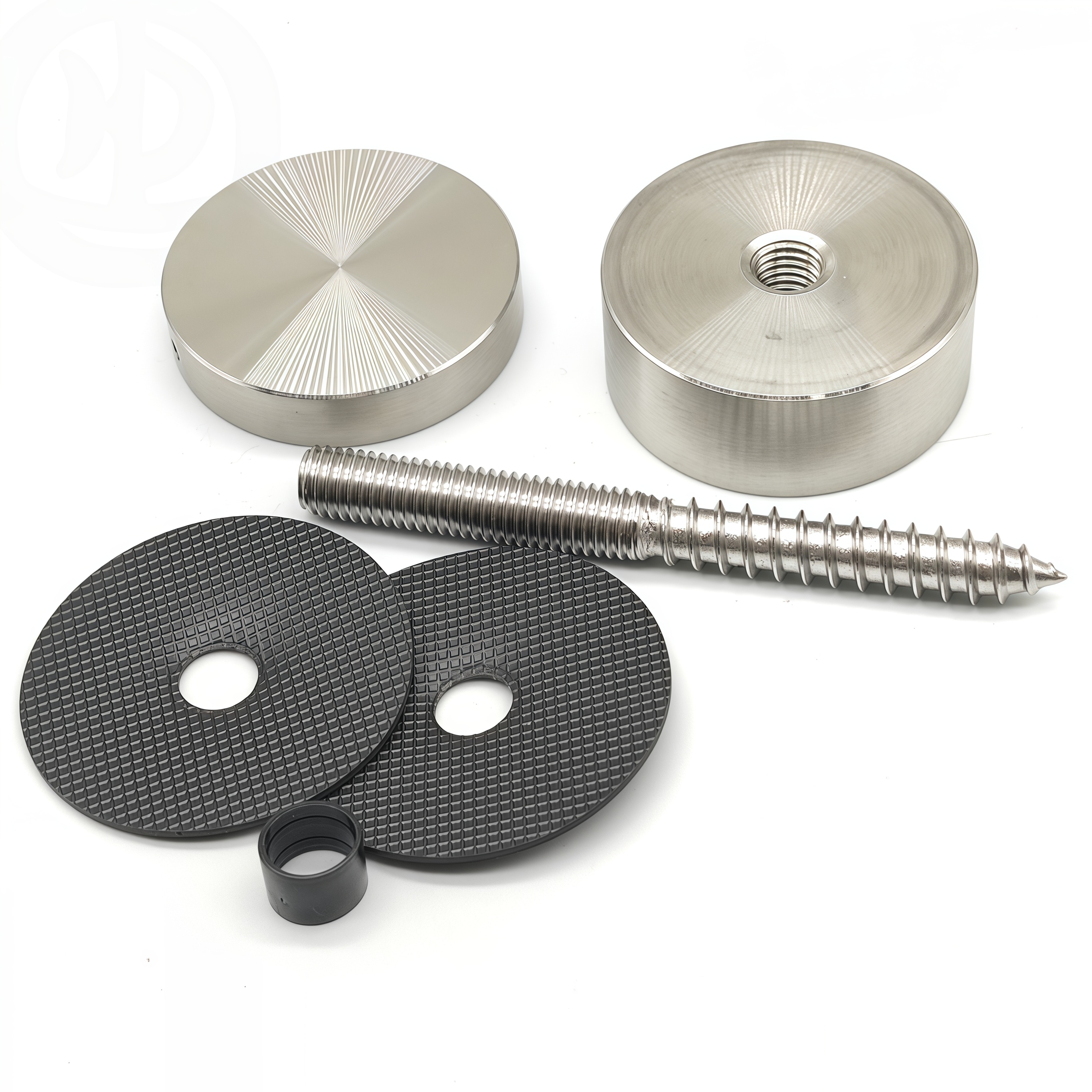
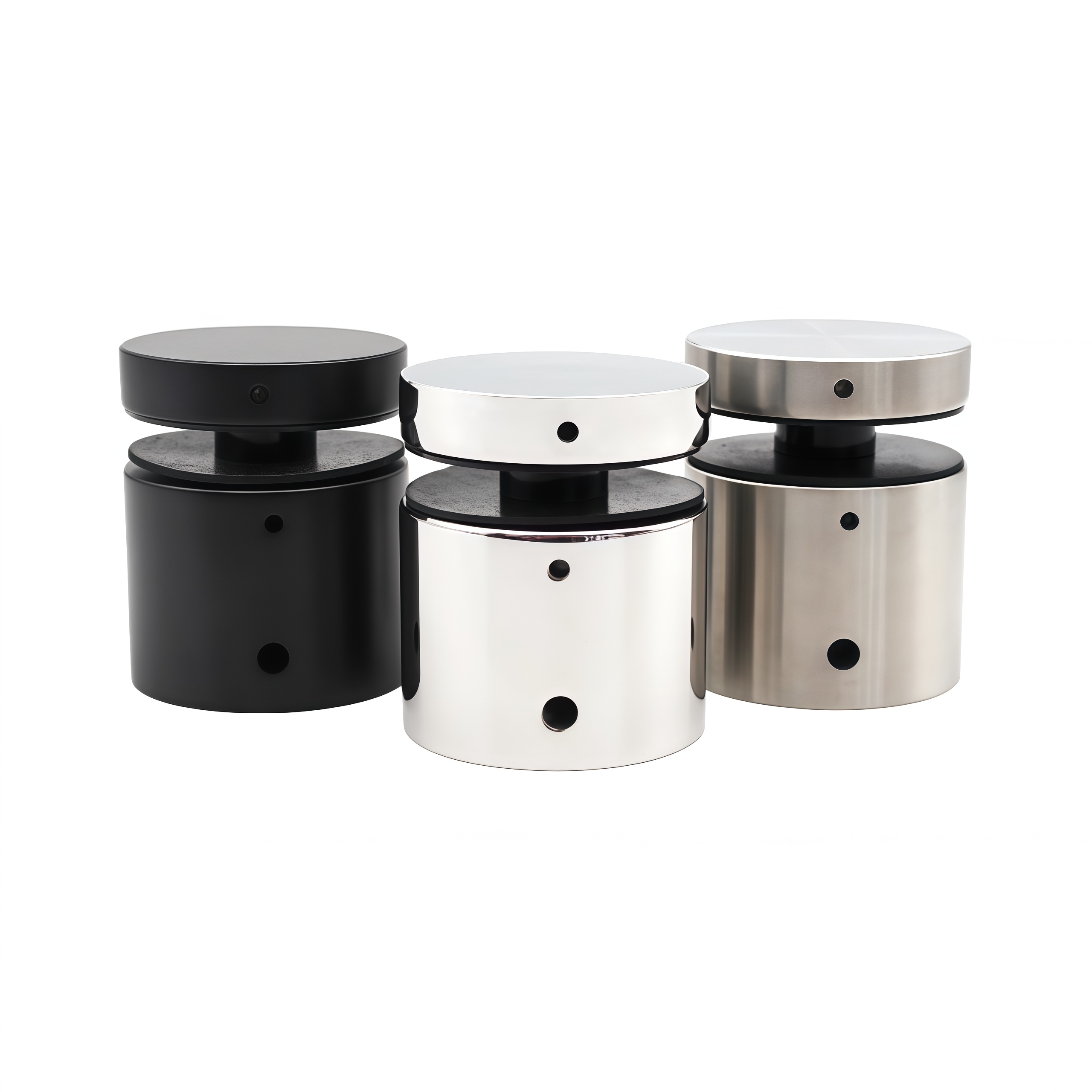
Standoff Structure: Fixed Base (Male/Female Base) + Threaded Rod(Internal/External Thread Combination) + Decorative Top Cap + Washers.
Choosing the right Standoff delivers both strength and aesthetics.
Next, we’ll teach you how to correctly select Standoffs in just three minutes!
Quick Selection Overview:
- Material – Corrosion and oxidation resistance are most critical.
- Surface Treatment – Style matching, weather resistance are more important.
- Load Capacity & Size – Select based on panel area and thickness.
- Installation Method – Wall material, pre-embedded parts, sealing treatment.
- Environment FAQ – Indoor/outdoor, coastal/commercial streets, frequent touching.
- Common Mistakes – Never do this, or safety hazards may occur.
- Maintenance Guide – Secrets to extend product lifespan.
Precision Machined Structure
Long Service Life
Uniform Surface Texture
Minimalist Design Style
Quick Installation Options
Frameless Glass Compatible
Material-Common materials for Standoffs:
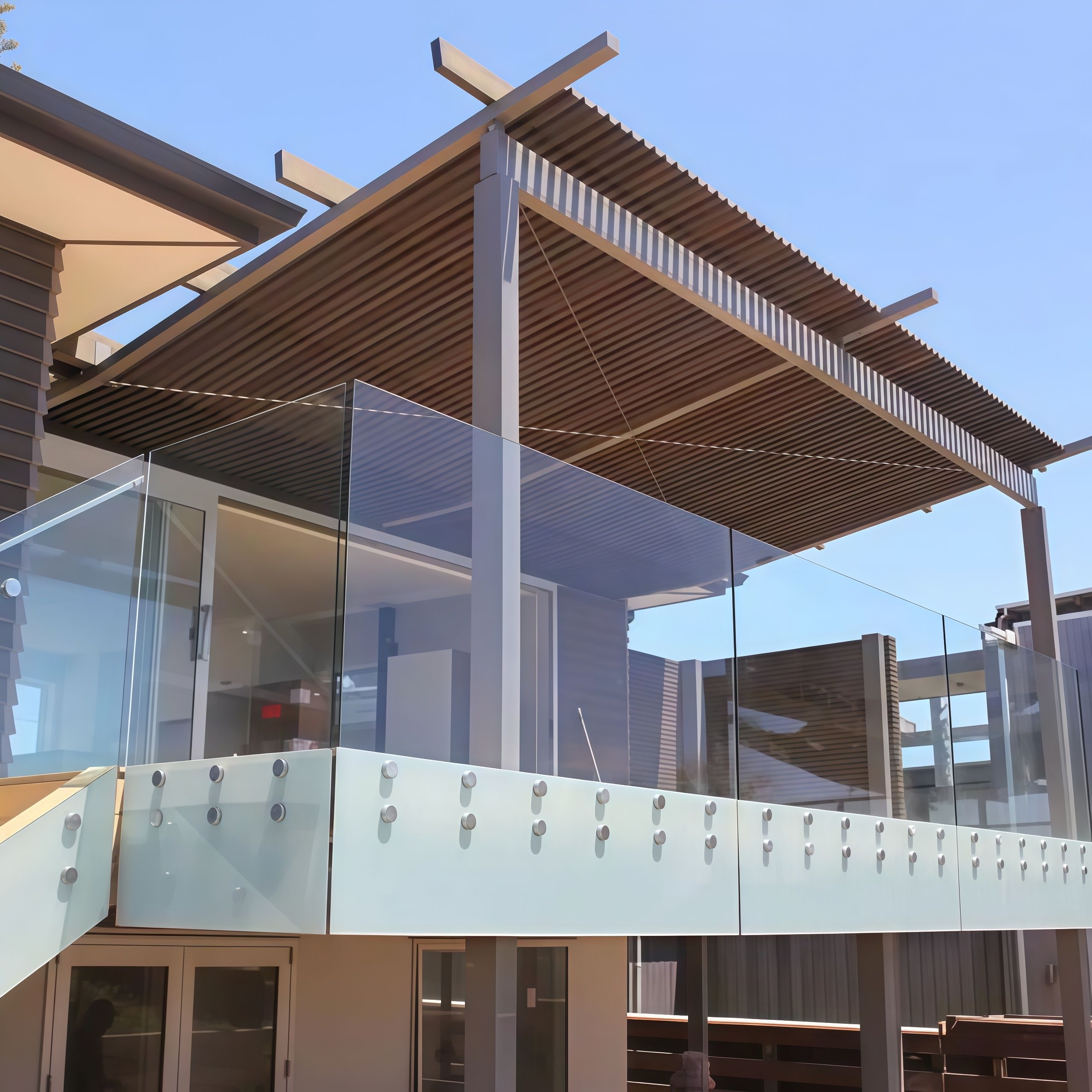
1. 304 Stainless Steel
- Advantages: Economical and durable, suitable for most indoor and general outdoor scenarios. (High Cost-Performance)
- Disadvantages: Average performance in salt spray or highly corrosive environments. (Requires Special Surface Treatment)
2. 316 Stainless Steel
- Advantages: Contains molybdenum, significantly better resistance to salt spray and chemical corrosion. (Preferred for coastal/high-corrosion environments)
- Disadvantages: Higher cost than 304.
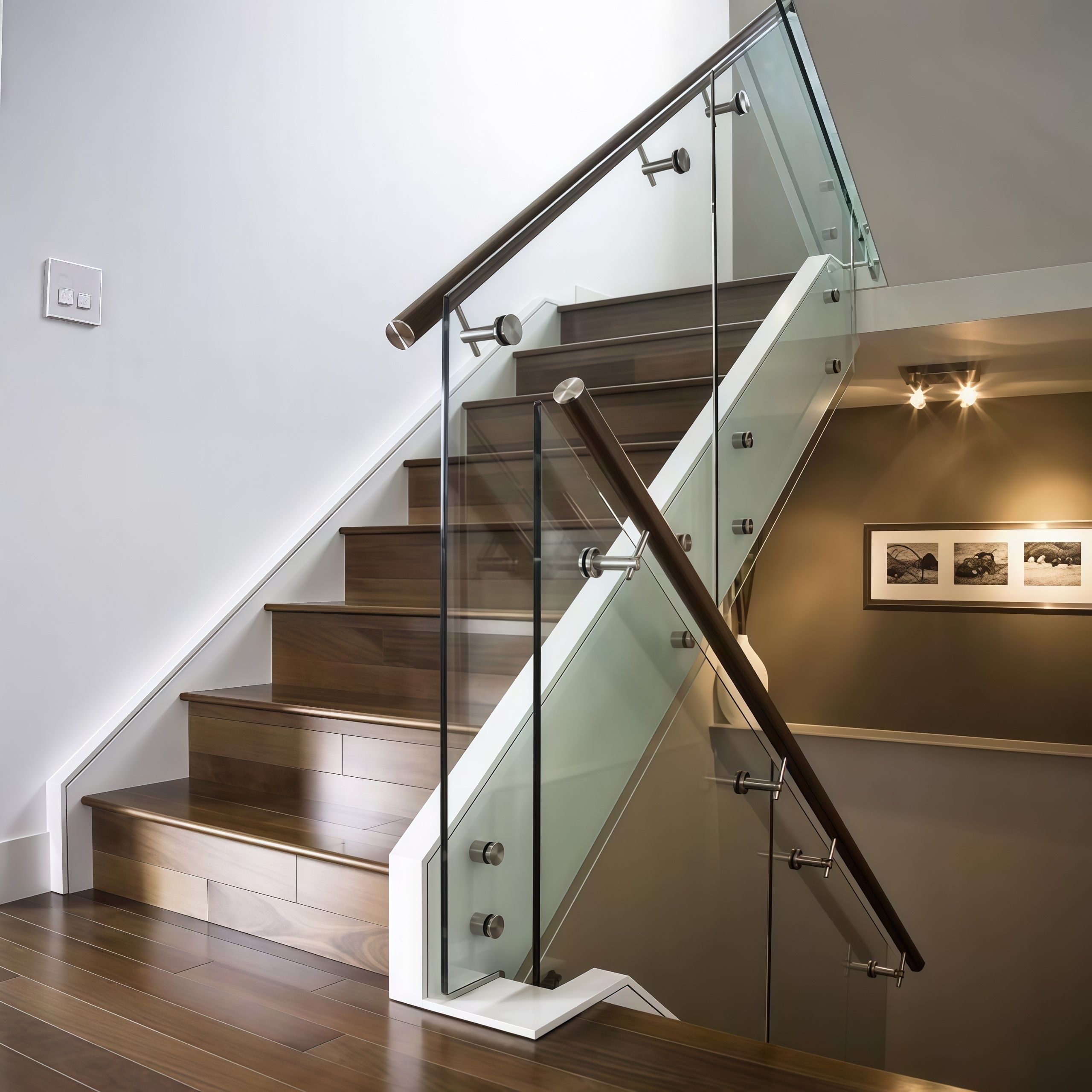
3. Aluminum Alloy (Anodized)
- Advantages: Lightweight, easy color treatment. Suitable for non-load-bearing scenarios or multi-color aesthetics.
- Disadvantages: Moderate strength. Inferior to stainless steel for long-term load-bearing/outdoor high-corrosion scenarios. (Generally For Light-Load Scenarios)
4. Brass/Copper Alloy
- Advantages: High aesthetics (Beautiful Colors/Textures), ideal for high-end customization.
- Disadvantages: Prone to oxidation/discoloration, requires special surface treatment or regular maintenance.
⭐Note: Prioritize 316 stainless steel for outdoor. Choose 304 for indoor or budget constraints. Choose aluminum alloy/brass/copper alloy for ample budgets.
Surface Treatment-What are the Surface Treatments?
- Mirror Polishing: Strong premium feel, suits modern malls/high-end stores.
- Brushed: Timeless, fingerprint-resistant.
- Electroplating: Multiple colors, high brightness, but requires a protective coating for long-term outdoor use.
- Sandblasting/Matte: Understated luxury, anti-glare.
⭐Note: For outdoor use, choose electroplated finishes for a longer lifespan.
Load Capacity & Size-
How to select Standoffs by "Panel Thickness + Panel Area + Support Point Spacing + Scenario"?
1. Determine panel material and thickness:
- Common glass thickness: 6mm, 8mm, 10mm, 12mm
- Acrylic may be thinner but requires attention to support spacing (fewer choices for acrylic panels)
2. Calculate panel area and weight estimate (reference):
- Small: <0.5㎡ (Standard structure Standoff)
- Medium: 0.5–2.0㎡ (Standard structure with denser support points or multi-ring Standoff)
- Large: >2.0㎡ (Large-diameter multi-ring Standoff)
3. Select support point spacing (reference):
- 6mm glass: Support spacing ≤300mm
- 8mm glass: Support spacing ≤400mm
- 10mm glass: Support spacing ≤500mm
- 12mm glass: Support spacing ≤600mm
※Note: Above are estimates. Wind pressure and static force verification required.
4. Scenario:
- Indoor/General Outdoor:
304 stainless steel + Brushed/Mirror/Electroplated (Economical and durable)
316 stainless steel/Brass + Brushed/Mirror/Plated (Mid-to-high-end customization) - Highly variable outdoor environments:
304 Stainless Steel + Brushed/Mirror/Electroplated (Economical & Durable)
316 Stainless Steel/Brass/Copper Alloy + Brushed/Mirror/Plated (Mid-To-High-End Customization) - Coastal/High-corrosion environments:
316 Stainless Steel + Plated Treatment (Economical & Durable)
Brass/Copper alloy + Plated treatment (Mid-to-high-end customization)
Installation Method
- Hole Positioning & Measurement: Precise hole measurement with 0.5–1mm allowance to prevent glass stress concentration.
- Washers & Sealing: Place rubber washers between the glass and barrel. Seal barrel base with silicone for outdoor use.
- Torque Control: Use a torque wrench for tightening. Never overtighten to avoid glass stress cracks.
- Wall Type: Use expansion bolts or pre-embedded parts for concrete/solid walls. Lightweight walls require backplate reinforcement or chemical anchors.
- Waterproof Details: Especially at the top and holes to prevent rainwater infiltration.
- Documentation & Inspection: Photograph post-installation. Regularly inspect (6–12 months) fastening and sealing.
--Environment FAQ--
Q1: Both are stainless steel – how to choose between 304 and 316? Is the price difference worth it?
A: 316 is recommended for coastal, humid, or long-term outdoor exposure. 304 suffices for regular indoor/outdoor use.
Q2: Can I install it myself?
A: Small indoor panels can be DIY if skilled in measuring thickness, selecting torque, and using rubber washers. Large panels/exterior walls require professional teams.
Q3: How to choose among Brushed, Mirror, and Plated finishes?
A: Choose Brushed for anti-glare and understated luxury;
Choose Mirror for high reflectivity and an eye-catching effect;
Choose Plated to match environmental design.
⚠️Common Mistakes-Never Do This!
1. Using indoor types directly in coastal areas – Rust will appear within 3 years.
2. Too few support points to save costs – Center sagging and uneven stress causing cracks.
3. Metal-to-glass contact without washers – Stress concentration, dangerous.
4. Ignoring wall type: Using regular expansion screws on thin walls – Installation will fail.

Maintenance Guide
1. Inspect every 6 months/1 year for indoor/outdoor use.
2. Clean with neutral detergent. Avoid strong acids/alkalis.
3. Tighten immediately if slightly loose; check seals.
4. Replace wear parts (washers, threaded rods) regularly in coastal/chemical environments.
Choosing the correct Glass Standoff Pin isn’t just about aesthetics – it’s about safety and long-term cost responsibility. Choosing Busrom, Choosing Confidence & Comfort & Peace of Mind.