How Different Designs Meet Various Storage Requirements?
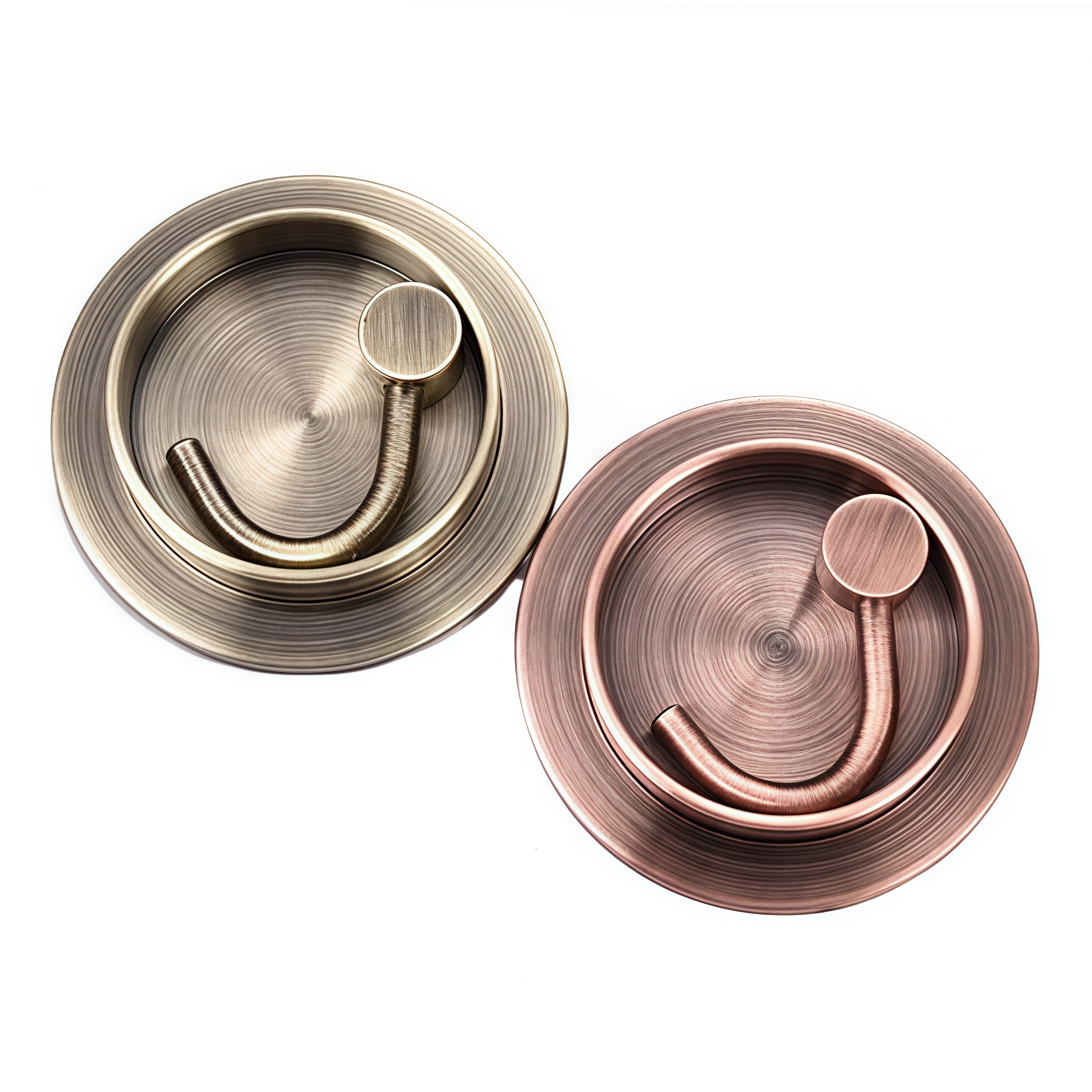
Lots of customers encounter the same inquiry: exactly what is the difference between a single hook and a dual hook? Is a double hook necessarily better than a solitary one?
In truth, neither is inherently superior. Each offers distinctive advantages in load-bearing capacity, storage-space performance, setup space requirements, use cases, and appearance. Information from the equipment and home storage market shows that single hooks presently represent around 55%- 65% of total hook sales, while double hooks compose about 35%-45%. With the rising demand for home storage solutions, the market share of double hooks has continued to expand, gaining appeal in bathrooms and kitchen areas.
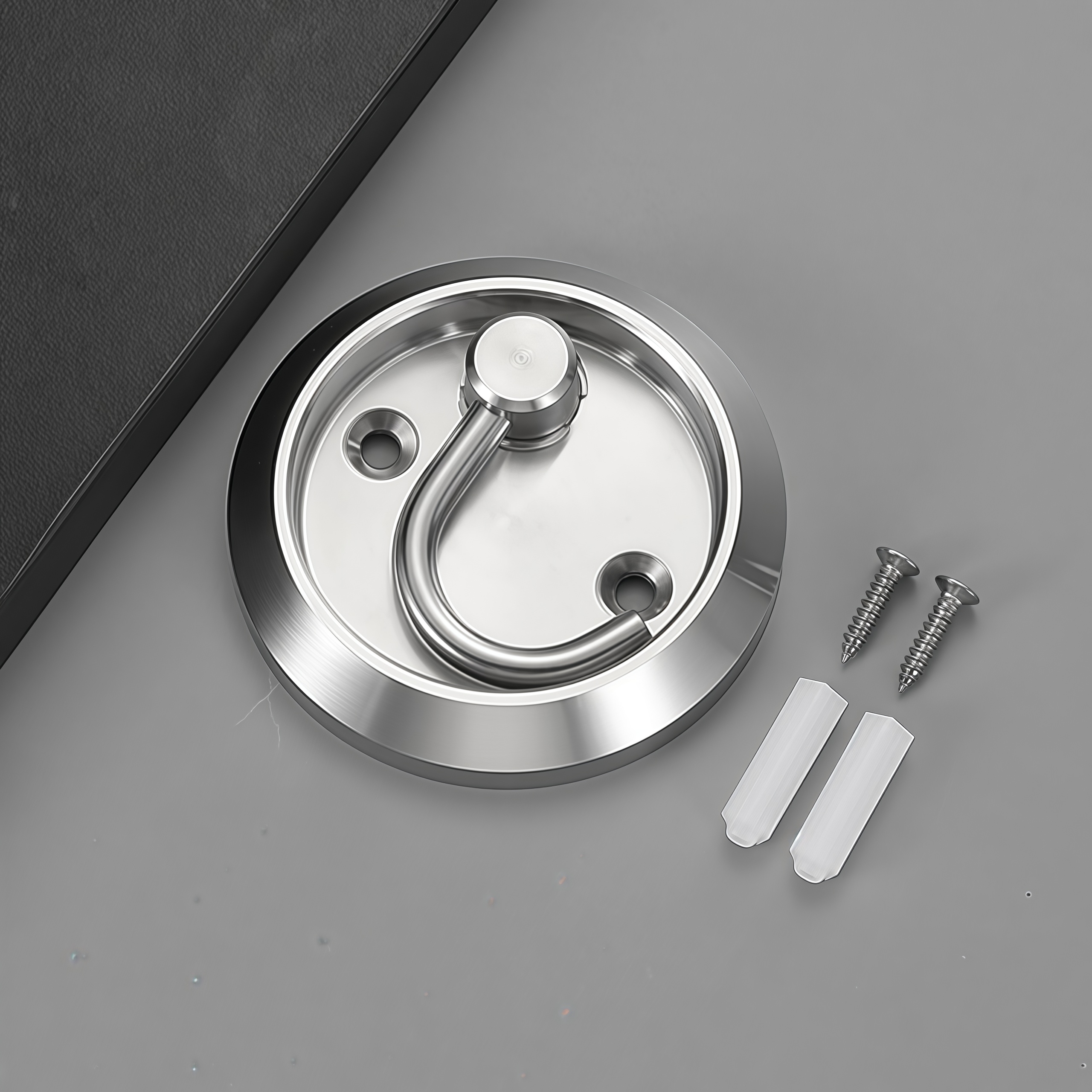
First, there is a difference in structural design.
A single hook features only one suspension point and a simpler overall structure, typically consisting of a base and a single arm, resulting in clean lines and a visually lightweight appearance.
A double hook, by contrast, incorporates two independent suspension points on a single mounting base. These points can be arranged side-by-side, staggered vertically or symmetrically, effectively doubling the available hanging space compared to a single hook.
Second, there are differences in load-bearing capacity.
When made from the same materials and installed using the same methods, single and double hooks generally offer similar maximum load-bearing capacities.
The recommended long-term load for a single hook is approximately 8–12kg, whereas for a double hook, the recommended total long-term load is around 10–15 kg.
Although a double hook can support a slightly higher total weight, the load is distributed across two points. Consequently, the actual load-bearing capacity of each point is usually not significantly higher than that of a single hook.
Third, there is a difference in cost.
Due to variations in material usage and manufacturing processes, double hooks are typically priced slightly higher than single hooks. Double hooks incur about 10%–30% more in material costs, involve more complex production techniques and longer processing times due to slightly larger packaging, and result in marginally higher shipping costs.
However, when considering the cost per hanging point, double hooks actually offer better value, as a single product satisfies the need for two suspension points.
While solitary and double hooks vary in design, they basically come from the exact same classification of hooks and share numerous core useful and efficiency attributes.
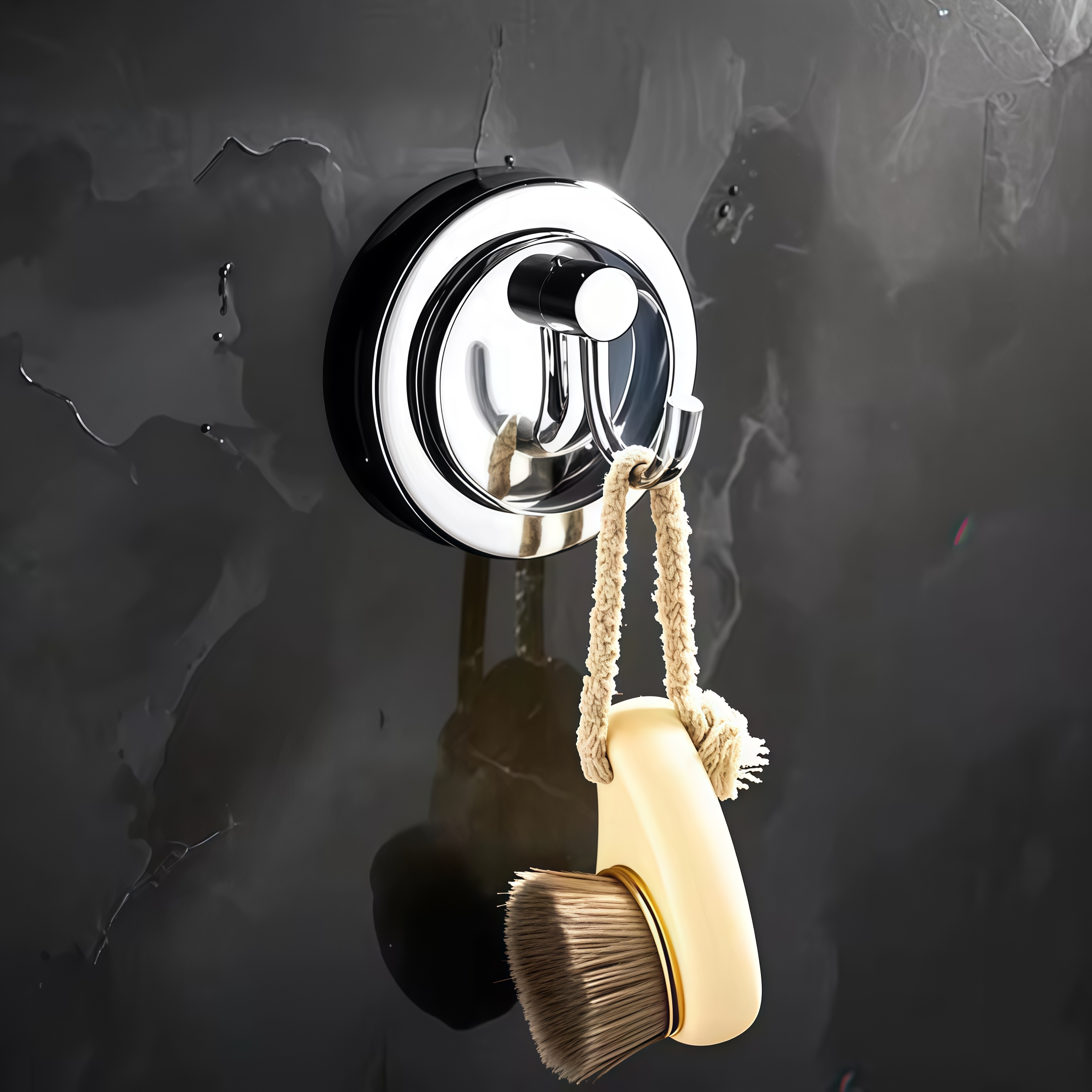
- Feature a concealed mounting style
- Offer superb load-bearing capability
- Show exceptional corrosion resistance
- Enhance a vast array of interior designs
- Flaunt a lengthy service life
- Support functional applications
How do you pick the product that ideally matches your requirements?
If you focus on a minimalist aesthetic, the independent suspension of items, and a trendy design, a solitary hook is the perfect selection. It is specifically fit for modern home environments that stress a sense of order and aesthetic visibility.
If you aim to optimize storage performance, fitting even more things on a restricted wall surface area, or need to deal with shared usage by multiple relatives and useful zoning, a dual hook offers unique advantages. It offers added hanging points without needing additional installation area, making daily use a lot more versatile and convenient.
Eventually, solitary hooks and double hooks are not equally exclusive options. Rather, they represent 2 various solutions tailored to unique use requirements.
When selecting, consumers ought to pick based on their real lifestyle routines and spatial needs, instead of merely focusing on quantity or size. An absolutely superb concealed hook is one that, in day-to-day usage, enables you to "appreciate the ease without seeing the device".
.png)
Busrom Team
Committed To Providing The Highest Quality Indoor & Outdoor Solutions Worldwide.