High Performance Hidden Wall Hooks for Space Saving Storage in Modern Residential Projects
Overview
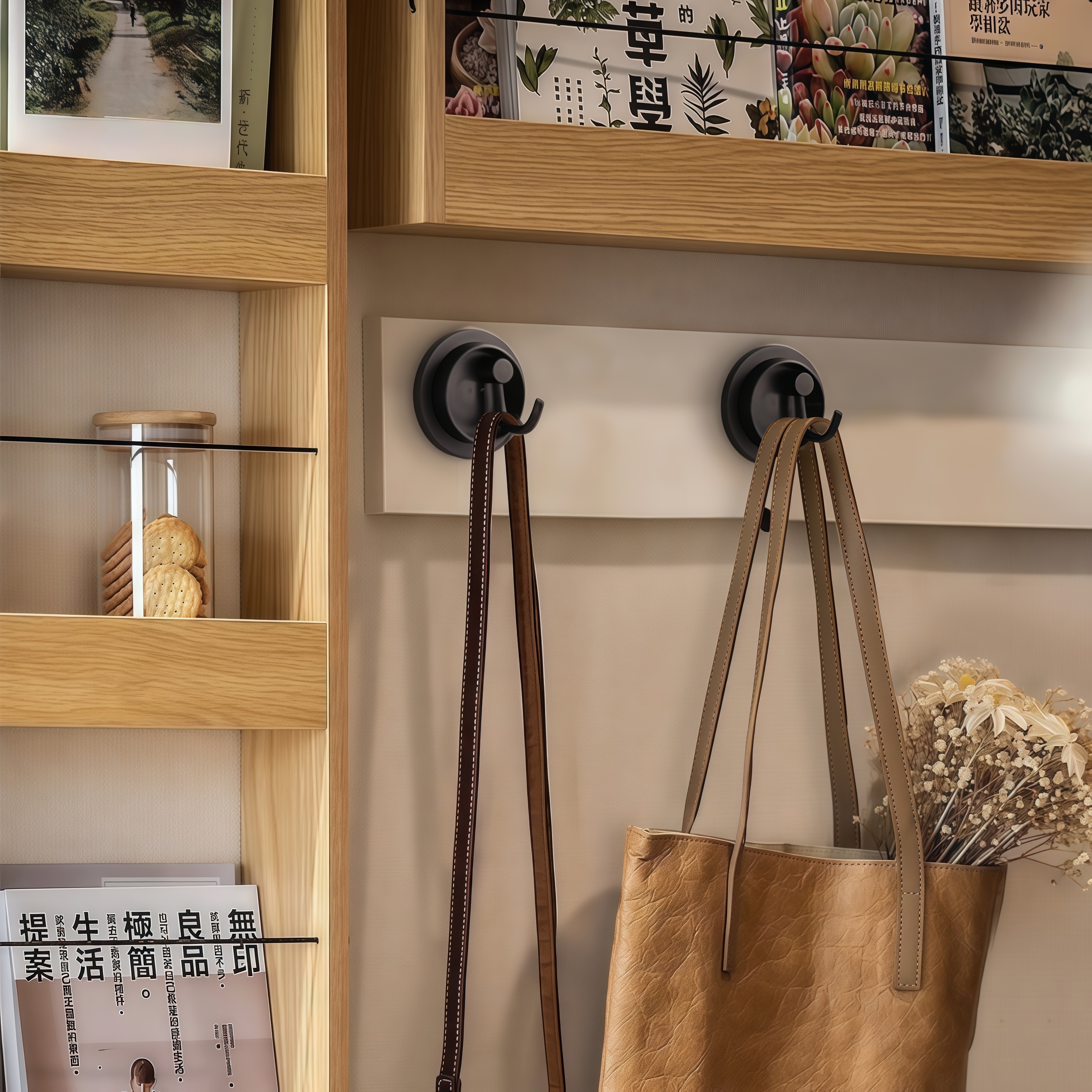
The hidden hook is an integrated hardware accessory that combines structural engineering, space optimization, and high-strength manufacturing processes. The combination of "foldable concealed structures" and "high load-bearing support systems" allows this product to achieve efficient load-bearing and visual concealment in limited spaces. This product is a representative of modern hardware development in the direction of "simplification and functional integration, as well as structural reinforcement." The concealed hook does not have a single-point exposed hanger. Instead, it is a composite structure that includes a hidden base, a foldable mounting system for the wall, and a reinforced pivot structure. The hanging arm is flat and has no protrusions when in storage. It can be opened by pressing or rotating it, creating a stable point for hanging.
What Are The Core Functions?
To reduce the number of welding points and avoid structural loosening risks, high-quality products use precision die-casting or integrated CNC machining processes. This improves overall durability and safety. The tensile strength is 520-750MPa, and the yield strength is approximately 205MPa. This ensures structural stability and resists deformation when high loads are applied.
- Diverse materials structures
Three grades of stainless steel are available. SUS201 is an economical choice for those who are looking for a durable, dry environment. Second-grade stainless steel is SUS304, which offers excellent resistance to rust and oxidation. SUS316 is the best choice for properties located near the ocean. It offers excellent resistance to corrosion caused by salt spray and can handle high humidity.
- Optimized thickness and strength
The main body thickness is usually between 3mm and 6mm for heavy-duty models. The bending resistance of the sheet is approximately 30-50% higher than that of thinner sheets. The bearing system is housed in a thickened stainless steel core. This design is combined with a damping structure and limiter to prevent loosening after extended use.
- Superior performance with optimized thickness and strength
Hidden hooks are required to withstand repeated movements of opening and closing during long-term usage. The high-quality products are tested for corrosion resistance and 10,000-30,000 cycles of opening and closing. They also undergo a 48-72-hour salt spray test. The SUS304 stainless material used in hooks has a tensile resistance of 520-750MPa and a bending deformation resistance approximately 25% greater than ordinary carbon steel.
High Load-Bearing Design
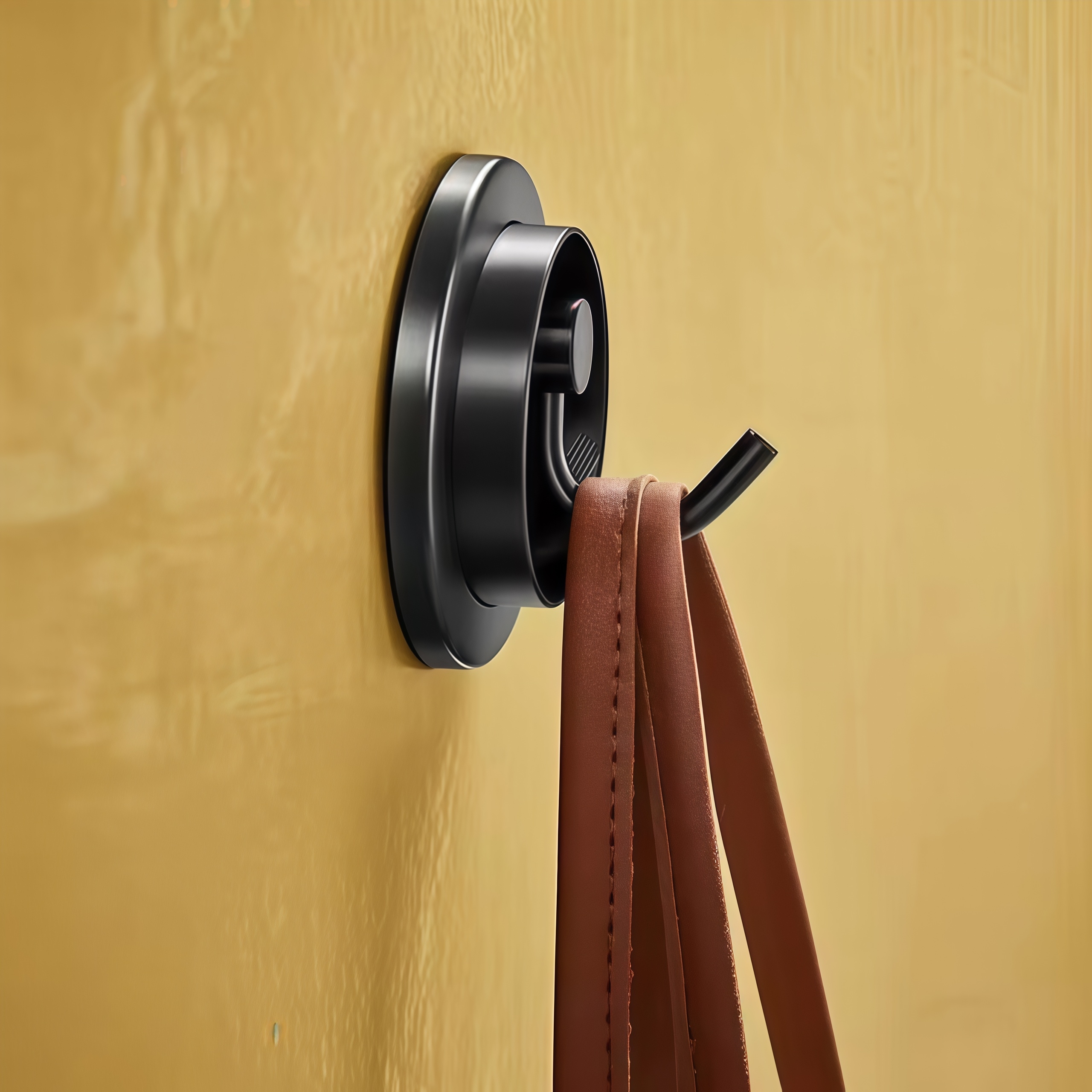
The design of high-quality concealed hooks allows them to achieve a load-bearing performance that is engineering-grade, despite their small size and high load. This is achieved through material reinforcement, structural optimization and stress distribution, which makes them ideal for environments with high frequency use, such as the kitchen.
The hidden swivel consists of typically three parts: A precision shaft structure, a stainless steel bushing or alloy bushing, and a locking and limiting structure with two sides. This structure provides a rotational lifetime of 20,000 to 50,000 opening and closure cycles. This structure resists uneven deformation of the load and provides long-term stability. In actual use, hooks can withstand static weight, as well as instantaneous suspension impact, swinging tension and high-frequency vibratory vibrations caused by picking up and putting things down. The dynamic load tolerance of hooks is increased by 45%. They are also less likely to loosen even after repeated hanging or picking.
Space Concealment Function
The hidden hook is a cantilever folding structure with a pivoting system that allows the arm to be fully seated while not in use. The folded hook has a thickness of only 10-20mm and the wall fit error is controlled to less than 1mm. The visual projection is reduced by 60%-75%. This achieves "functional concealment", where the structure becomes visible only when it's in use.
Visual cleanliness has a direct impact on the perception of space in spatial design. When the number of wall components exposed is reduced by 30% or more, it can result in a perceived increase of 15%-20% of the space's spaciousness. The traditional hooks produce multiple visual protrusions, while the hidden hook only shows a simple metal sheet when folded. This maintains wall continuity.
Folding the concealed hook reduces its protruding height by over 70%, thereby reducing the safety risk. In kitchens and hallways, the protruding hooks can easily cause bumps, scratches to clothing and injury to children. Hidden hardware can reduce collisions between objects by up to 50%.
Exposed hardware in confined areas, such as narrow kitchen aisles of 900-1100mm, can give a sense of oppression. When folded, the design of hidden hooks reduces space for pedestrians by 40-60mm. This improves pedestrian comfort.
Conclusion
As an integral part of modern hardware, concealed hardware hooks achieve a high level of integration with structural design, material durability, and aesthetics. The "concealed structure design", "high load-bearing system", "corrosion resistant material selection" and "multiple scenario application capabilities" of these hooks make them more than just simple hooks. They are also functional extension components and space optimization tools. Functional integration and structural concealment are going to continue to be the core direction for furniture hardware components in the future. Hidden hooks, with their high-performance and professional structural design, will continue to play an important role in residential and commercial projects.