Everything You Need to Know About Glass Clip Strength and Load Transfer
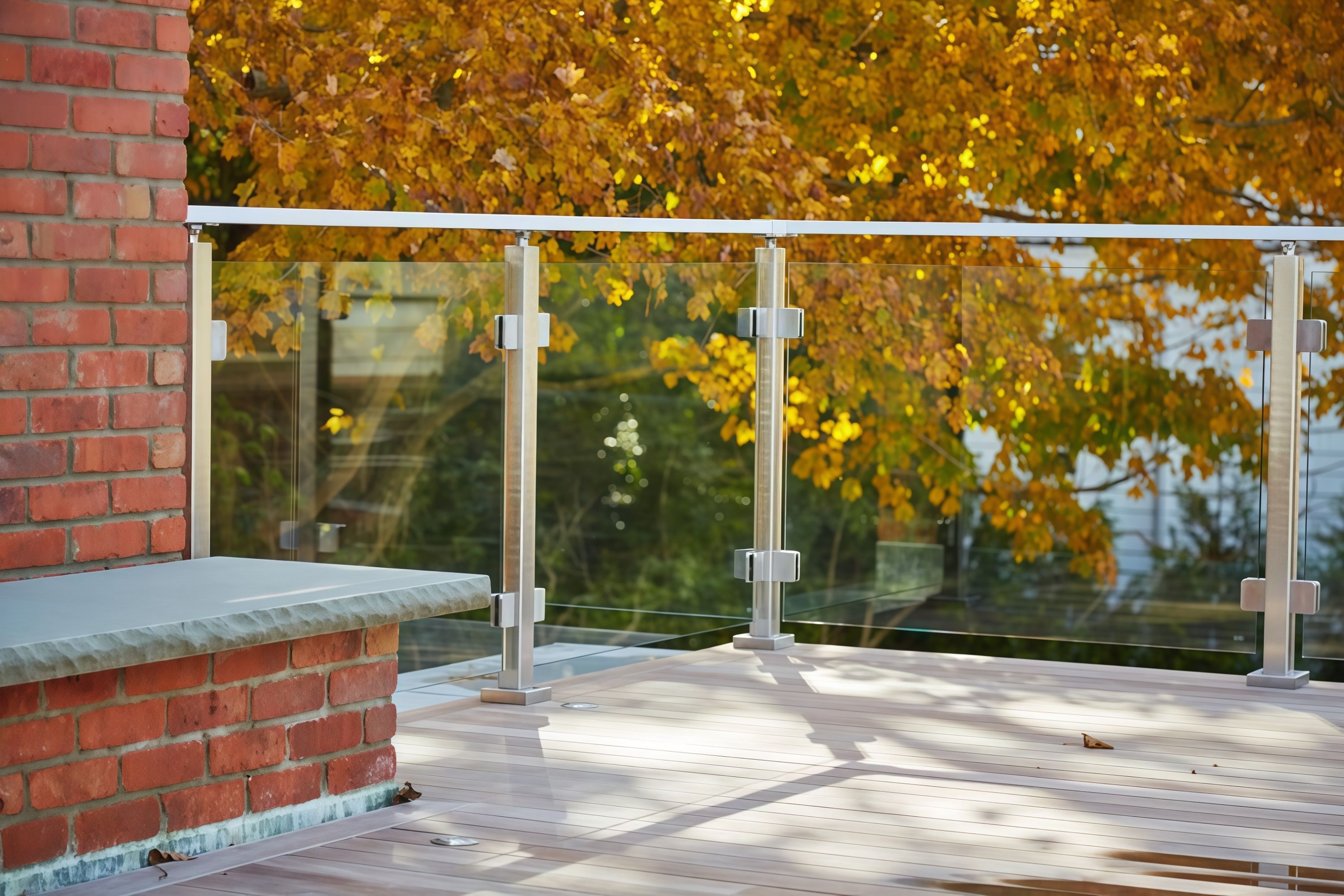
How precisely can glass clamps support the weight of the glass, endure shocks from the outside world, and securely transfer pressures to the building structure? This is an essential element that is frequently disregarded.
A glass clip for railings is actually more than just a connector that "grips" the glass. It is a piece of hardware that uses a combination of clamping force, friction, support force and structural load transfer to accomplish secure attachment. The horizontal thrust, vertical loads, and initial impact forces exerted on the glass must gradually dissipate and be transferred into the railing frame, posts or wall construction.
The creation of steady friction by clamping force is the fundamental method by which a glass clamp manages force.
Using mechanical clamping force to create frictional resistance is the most basic and important method a glass clip works. The hardware creates a secure contact interface between the glass and the fixture by firmly pressing the glass into the clamp's channel using bolts, pressure plates, or internal fixing mechanisms.
To put it simply, the glass clamp uses more than just metal to support the glass. Rather, by transforming pressure into friction, it improves stability. When the glass is subjected to outside forces, such as wind pressure or someone resting against the railing. The glass is prone to moving. This movement is prevented by the friction created inside the clamp, which keeps the glass firmly in place. As a result, the friction between the glass and the fixture increases with the stability of the clamping force. Additionally, a better total load-bearing capacity is the outcome of an optimised contact area and consistent pressure distribution.
Tempered glass has a high intrinsic strength, but if the connecting structure is unstable, it may still wobble under lateral pressure. As a result, the glass clip needs to transform horizontal thrust into internal resistance inside its own structure. In general, the force transfer procedure goes like this:
Pressure from a person → Slight deformation of the glass → Generation of counter-force by the glass clamp → Shear force borne by the clamp body → Transfer of force via bolts or the base to the building structure
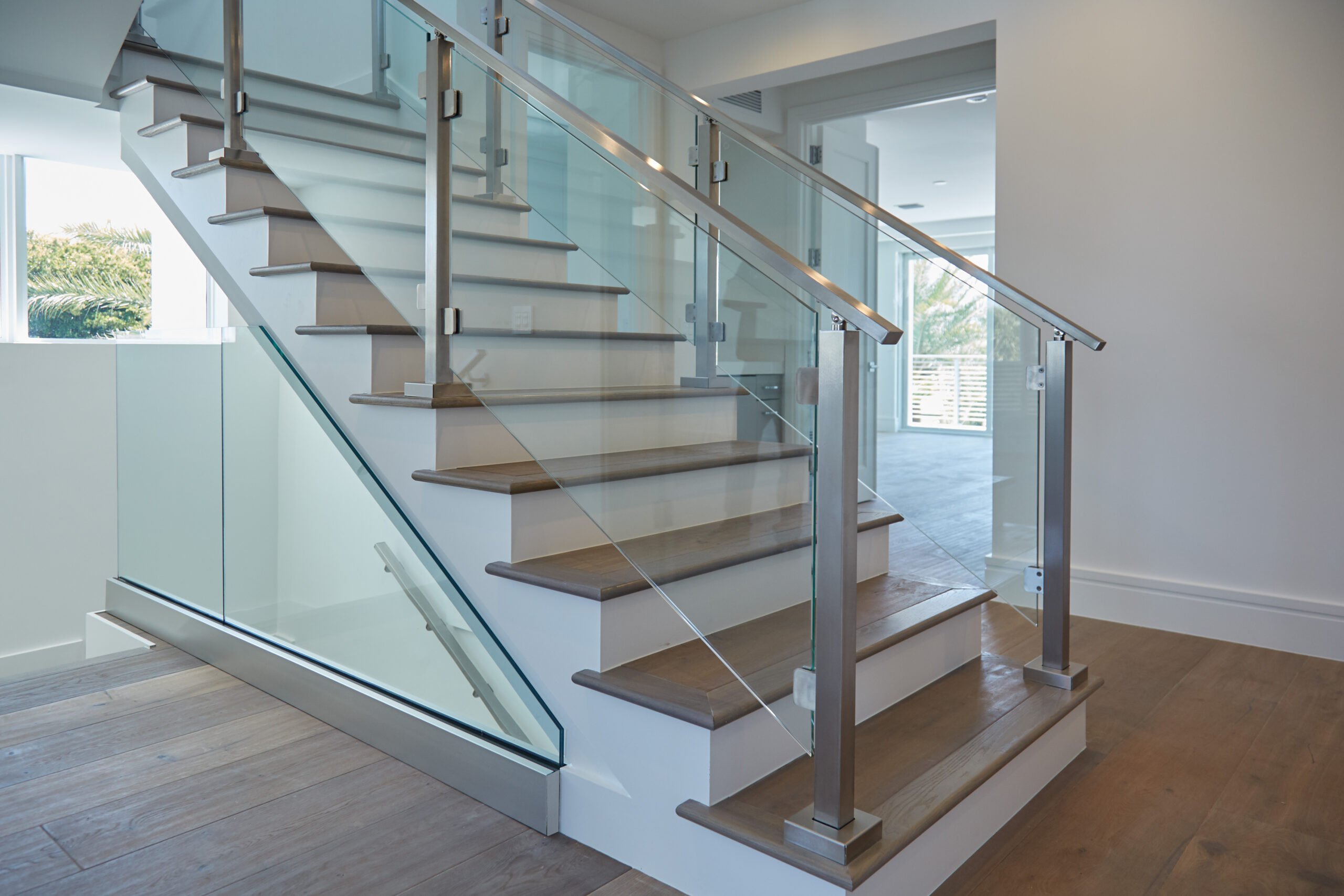
How is the weight of the glass itself supported by the glass clip?
The weight of the glass itself applies a continuous force to the clamp in addition to external impacts and horizontal pressure. For example, a 1200 x 1000 mm sheet of tempered glass with a 12 mm thickness usually weighs about 30 kg. Each fixture handles some of this vertical load when the glass is fastened with several clamps. High-quality glass clamps usually include a large clamping surface area, a stronger clamp body, and anti-slip protective pads to ensure that the weight of the glass is distributed more uniformly and prevent weight from concentrating at a single location.
But stronger clamping is not always preferable. It is more important to distribute forces uniformly. The force dynamics of a glass clamp necessitate a balanced design, despite the widespread belief that a tighter grasp translates to increased safety. As a result, rubber gaskets are frequently used in professional-grade clamps to provide a flexible interface between the metal clamp plates and the glass.
1. Inadequate Clamping Power
- Glass is prone to wobble
- Decreased stability of the connection
- Over time, there is a risk of relaxation
2. Overuse of Clamping Force
- Localised pressure on the glass has increased
- Stress concentration at the edges is a risk
- A higher chance of glass damage
Glass clamps in glass railing systems must endure a variety of abrupt impact forces in addition to supporting the glass's own weight and static loads from regular use over time. Tempered glass is a material with high hardness and limited ductility; unlike metal, it cannot dissipate energy through considerable deformation when exposed to abrupt, concentrated forces, despite its high impact resistance. Consequently, the glass clamp's function goes beyond simple fixing. It must buffer, distribute, and transfer abrupt impact forces through sound structural design to reduce the risk of localised stress on the glass.
Guardrail glass clips are designed to minimise vibration, shifting, and structural strain caused by prolonged use by limiting the glass's displacement under load and anchoring it. These clamps contribute to the overall rigidity and stability of the railing system by precisely matching the glass dimensions, clamp structure and installation environment. This ensures that the glass remains safe, balanced, and dependable despite daily fluctuations and complex environmental conditions.
Customized
Factory
Worldwide Delivery
Online 24h