How Should You Choose A Glass Standoff?

A glass standoff is the small but critical component that holds frameless glass panels away from structural supports, creating the clean, open look that defines modern architecture. Whether you're specifying for a balcony, staircase, storefront, or pool enclosure, the wrong standoff choice can lead to glass failure, safety violations, and costly rework.
Decide Everything
- Glass thickness: The standoff's grip range must match your Glass Standoff Glass Thickness exactly. Most standard systems accommodate 10mm, 12mm or 15mm toughened glass, with custom options for laminated or double-glazed units.
- Load rating: Each Glass Standoff Load has a tested capacity. For balustrades and guardrails, building codes typically require a minimum horizontal load of 0.74 kN/m for residential and 1.5 kN/m for commercial applications. Your Glass Standoff Spacing and count must be calculated to meet or exceed these figures.
- Standoff projection: This is the distance from the mounting surface to the glass face. Common projections range from 30mm to 150mm. The projection affects both the visual aesthetic and the bending moment on the standoff, so it must be factored into your structural calculations.
What Is A Glass Standoff And How Does It Differ From A Glass Spigot?
A Glass Standoff is a cylindrical or cone-shaped fitting that mounts to a wall, post, or floor and secures glass panels through pre-drilled holes. A Glass Spigot is a similar component but typically refers to a base-mounted unit that holds the glass from below. Both are used in frameless glass systems, but the terms are not interchangeable.
Glass Railing Standoff components are usually used for wall-mounted or post-mounted applications where the glass panel runs parallel to the mounting surface. Glass Railing Spigot components are more common for floor-mounted balustrades where the glass sits vertically in a base shoe or clamp.
The choice between a Standoff for a glass railing and a spigot depends on your structural substrate, the desired aesthetic, and the load path you need to achieve.
The dominant material in premium glass standoff hardware is 316 stainless steel. This marine-grade alloy contains molybdenum, which provides superior corrosion resistance compared to 304 stainless steel. For glass standoff coastal projects or wet areas like pools and showers, 316 stainless steel is the only responsible choice.
The glass standoff finish affects both appearance and maintenance. Brushed finish is the most popular for commercial projects because it hides fingerprints and minor scratches. Glass standoff mirror finish provides a high-polish look but requires more maintenance. Physical Vapor Deposition adds a titanium coating that dramatically improves hardness and corrosion resistance, available in gold, bronze, black and other colors.
Glass standoff material options also include:
- 304 stainless steel for interior applications
- Aluminum with anodized or powder-coated finishes
- Brass or bronze for heritage or decorative projects
- Carbon steel with protective coatings for budget-conscious interior work
Glass Thickness Works?
Most standard Glass Standoff fittings are designed for glass standoff 10mm or 12mm glass panels. The standoff's internal rubber gasket compresses around the glass edge to hold it securely without metal-to-glass contact.
For 12 mm glass standoff, you'll need a standoff with a grip range of 11mm to 13mm to accommodate manufacturing tolerances. For Glass Standoff 10mm Glass, the grip range should be 9mm to 11mm.
Two or more glass plies bonded with PVB interlayers are increasingly common for overhead or safety-critical applications. Laminated glass is typically thicker than 12mm, so you'll need glass standoff custom OEM fittings with extended grip ranges.
Toughened Glass and Tempered Glass are the same product, thermally tempered. Heat-Strengthened Glass is a different product with about half the strength of fully tempered glass.
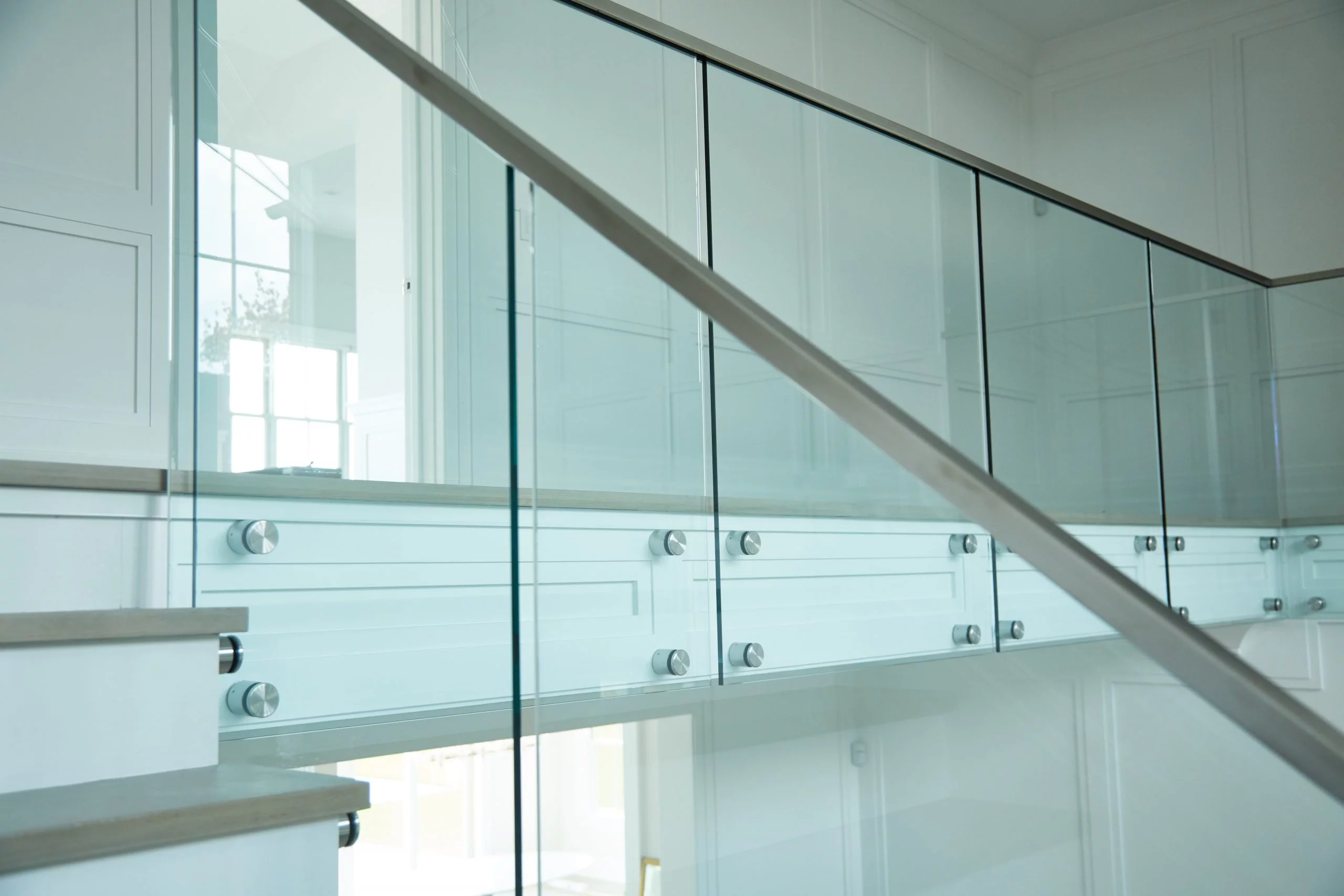
What Load Can A Glass Standoff Carry?
Glass standoff load capacity varies significantly by manufacturer and design. A typical glass standoff wall mount for 12mm glass may be rated for 2.0 kN-5.0 kN per fitting, depending on the projection length and mounting substrate.
For balcony and staircase balustrades, the governing load is usually the horizontal imposed load on the top rail. With standard glass standoff spacing of 600mm to 900mm, each standoff must resist a portion of this load. The calculation is:
- Determine the required line load (e.g., 1.5 kN/m for commercial)
- Multiply by the standoff spacing (e.g., 0.75m) to get the point load per standoff
- Apply a safety factor (typically 1.5 to 2.0)
- Verify the selected standoff's rated capacity exceeds this value
Glass standoff spacing is a critical design decision. Too wide, and the glass may flex excessively. Too narrow, and the system becomes expensive and visually cluttered. For 12mm tempered glass with a 1000mm panel height, spacing of 600mm to 800mm is typical.
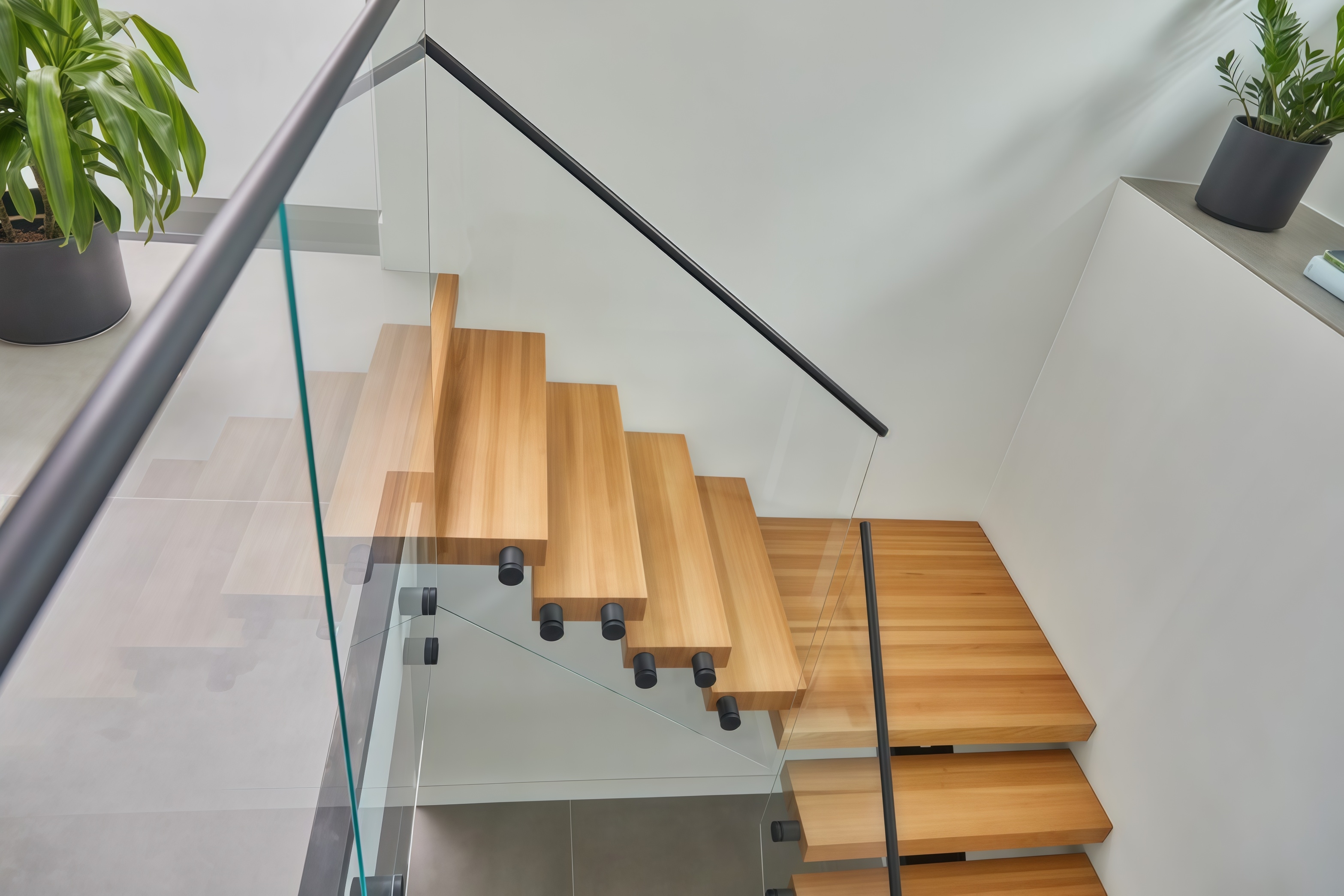
What Are the Common Glass Standoff Installation Methods?
Glass Standoff Wall Mount standoffs attach directly to a structural wall, concrete, steel, or timber substrate. The standoff body projects outward, and the glass panel is bolted to the face of the standoff. This method is common for storefronts, partitions, and staircases where a wall exists behind the glass line.
Glass Standoff Post Mount standoffs attach to a vertical steel or aluminum post using a side-mount bracket or a through-bolt configuration. This method is used for free-standing balustrades where no wall is available. The post is typically embedded in a concrete base or bolted to a floor plate.
A third variant, the Adjustable Glass Standoff, allows for on-site adjustment of the glass angle. This is valuable for curved or sloping installations where the substrate is not perfectly plumb or level.
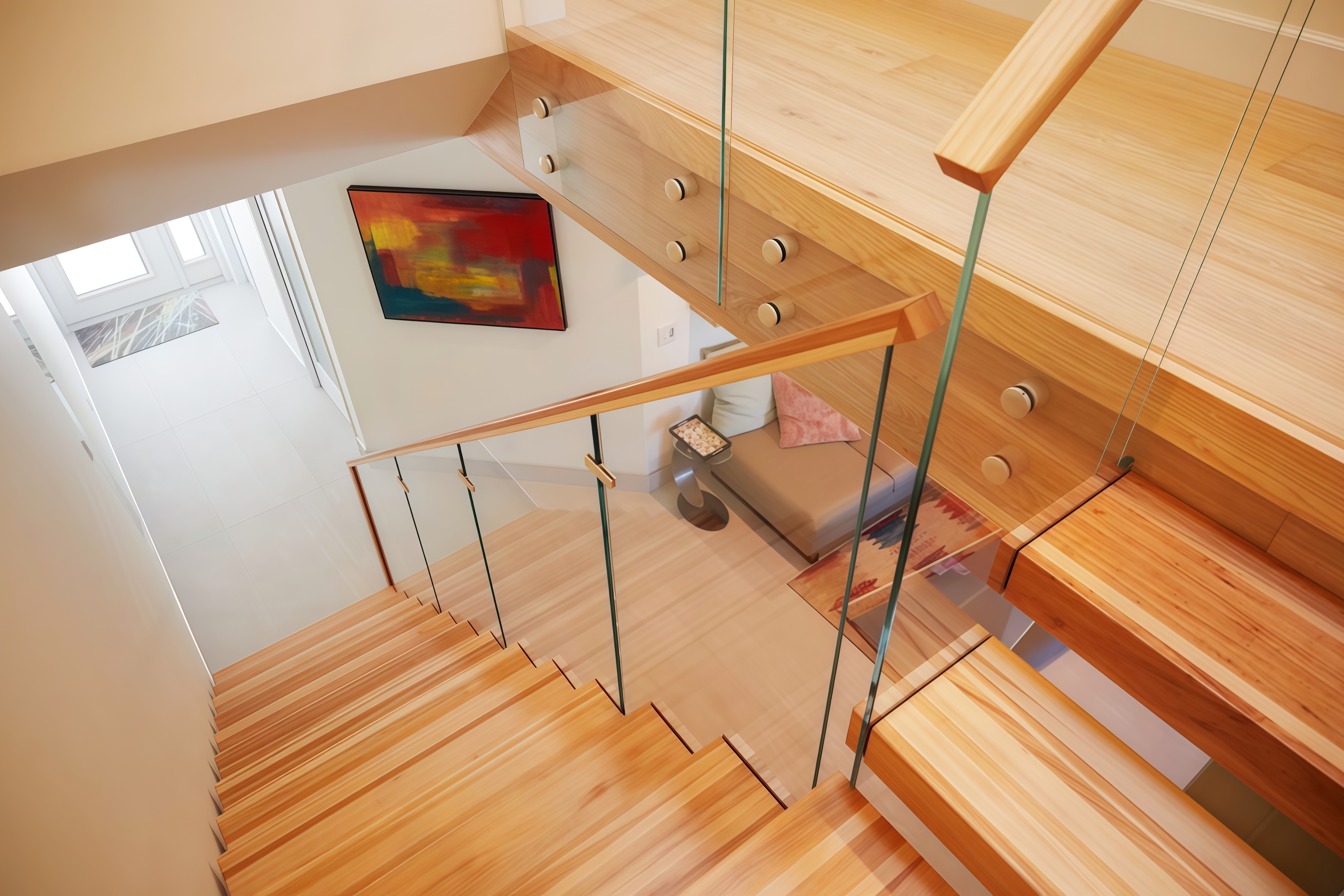
What Problems Can Occur With Glass Standoff Systems?
- Incorrect glass hole placement. The holes in the glass must align precisely with the standoff centers. A tolerance of ±1mm is typical. Any more, and the glass will be stressed at the hole edges, leading to cracking.
- Inadequate torque on the standoff bolts. Under-tightening allows the glass to move and rattle. Over-tightening can crush the glass edge or the rubber gasket. Use a torque wrench and follow the manufacturer's specifications.
- Galvanic corrosion. When stainless steel standoffs are mounted to aluminum or carbon steel substrates without proper isolation, galvanic corrosion can occur. Use nylon or rubber isolation washers at all contact points.
Periodic inspection of bolt torque, cleaning of the glass and fittings, and replacement of worn rubber gaskets every 5-10 years. For glass standoff coastal installations, more frequent inspection is recommended due to salt exposure.
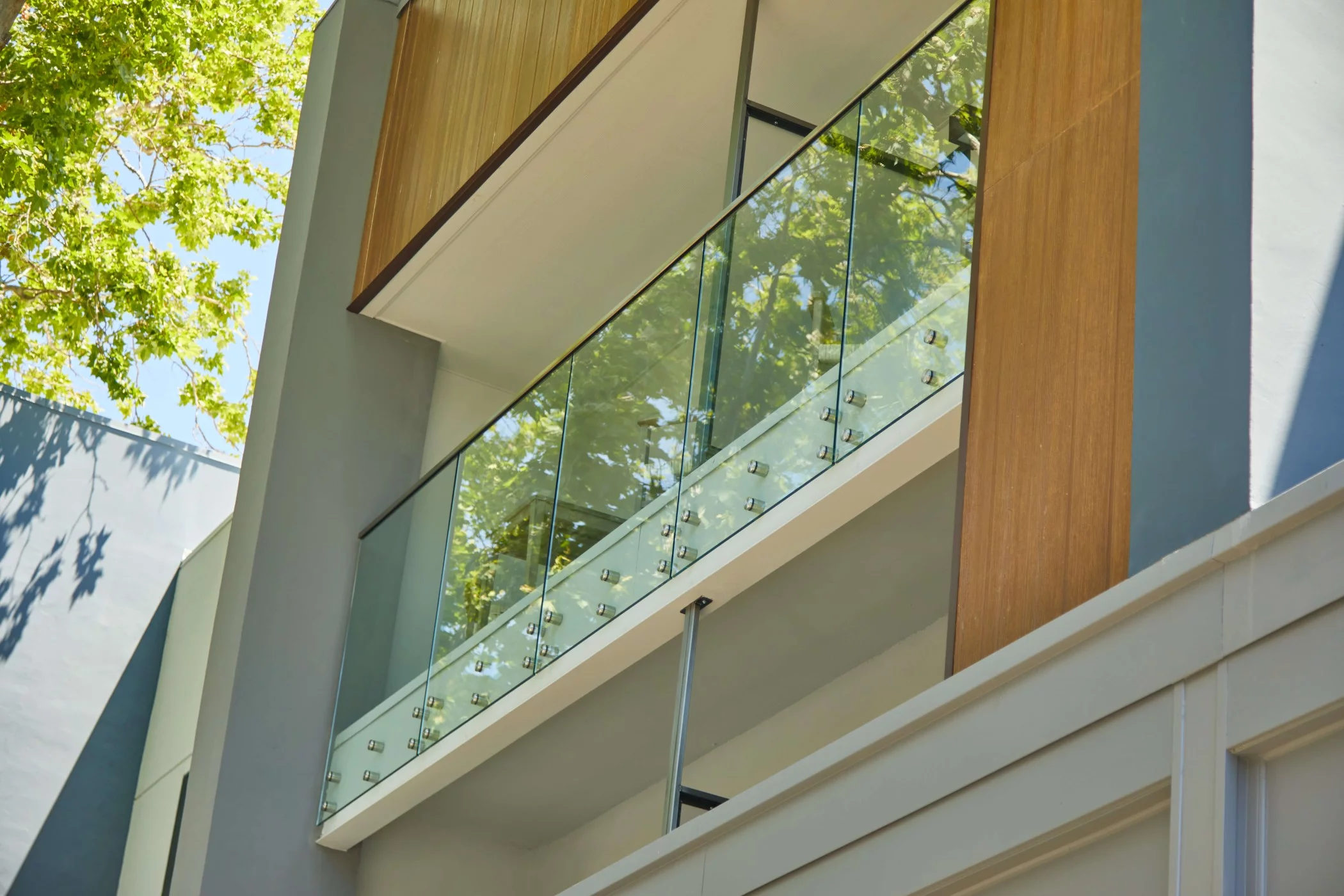
What Is This System?
A Spider Glass Standoff system uses a central hub with multiple arms radiating outward, each arm terminating in a standoff that clamps the glass. This system is used for structural glass facades, canopies, and skylights where large glass panels are supported at multiple points.
Each spider arm typically supports one corner of a glass panel, with the load transferred through the standoff to the central hub and then to the primary structure. Spider systems require precise fabrication and installation, and they are always custom-engineered for the specific project.
For most projects, a simpler linear standoff system is more cost-effective. Spider systems are reserved for flagship architectural statements where the visual impact justifies the engineering complexity.
So How Do I Choose Between a Glass Standoff and a Glass Hinge?
This is a common specification question. A glass standoff holds glass panels in a fixed position, creating a continuous glass plane. A glass hinge connects two glass panels at an angle, allowing them to open or fold.
For frameless shower enclosures, glass hinges are used on the door panel, while glass standoffs secure the fixed panels to the walls. The two components work together in many systems. Our guide on why glass hinges and glass clamps are used together in frameless bathroom systems explains the relationship in detail.
If you're specifying a shower door, you'll also want to check what makes some bathroom glass hinges quieter than others to ensure a premium end-user experience.
What Finishes and Customization Options Are Available?
W-1
- Glass Standoff Brushed Finish: A unidirectional scratch pattern that hides wear
- Glass Standoff Mirror Finish: High-gloss, reflective surface
- Glass Standoff PVD Finish: Available in gold, bronze, gunmetal, black and custom colors
- Powder Coating: Durable colored finish, typically for aluminum standoffs
W-2
- Custom projection lengths
- Custom thread sizes (M8, M10, M12, M16)
- Custom mounting plates for non-standard substrates
- Custom finishes to match architectural metalwork
- Laser-engraved logos or part numbers
Match the standoff to the glass thickness. Verify the grip range against your actual glass panel thickness, including tolerances for laminated or coated glass.
Calculate the load, don't guess. Use the required line load, glass standoff spacing, and safety factor to determine the minimum load rating per standoff. For glass standoff for balcony and glass standoff for staircase applications, verify compliance with local building codes.
Choose the right material and finish. Glass standoff 316 stainless steel with a glass standoff brushed finish is the safest default for most projects. Upgrade to glass standoff PVD finish for high-traffic or coastal environments.
Plan for maintenance. Specify glass standoff installation with access for re-torquing bolts and replacing gaskets. Document the torque specifications in the operation and maintenance manual.

Frequently Asked Questions
What Glass Thickness Do Standoffs Support?
Most standoffs support 10–12 mm or 12–15 mm tempered glass.
What is the standard size of a glass standoff?
Common sizes are M8, M10, and M12, with 30–150 mm projections.
How many glass standoffs do I need per glass panel?
It depends on the panel size, glass thickness, and load requirements.