Beyond Looks, What Makes Architectural Door Handles Right For The Space?

An entrance door handle is not merely an isolated component on the door. It shapes a space's visual character, conveys the character of materials, provides tactile feedback, and facilitates opening the door. As a result, even before friends and family actually step inside, they unconsciously form a set of judgments regarding quality and user experience. This is where door handle design helps establish a first impression at the building entrance.
For architects, interior designers, commercial contractors, and project procurement teams alike, the value of architectural door handles lies not merely in “whether they can open a door,” but in whether they can fully convey the design intent of the entryway, because this is the first threshold one crosses upon entering a space.
Ⅰ. Why Does An Entrance Door Handle Affect People’S First Impression Of A Space?
The front door is the first point of contact through which people establish a relationship with a space. When entering a space, we typically first notice the harmonious proportions of the door leaf, frame, and handle as a whole. We then grasp, push, pull, or turn the handle to enter the space. Through the continuous, random interplay of sight and touch, we unconsciously form our assessment of the space’s overall appearance.
A Suitable Entry Door Handle Typically Needs To Effectively Address The Following Four Issues:

- Visual Effects:
Door handles should be in harmony with the dimensions of the door, the building's facade, and eye level, rather than serving as mere decorative elements - Material Language:
Stainless Steel, Brass, and various surface finishes must be coordinated with doors, walls, hardware, and lighting - Touch Feedback:
The cross-section, edges, length, projection, and surface friction when gripped must allow for a natural, precise, and predictable door-opening motion - System Integration:
Door handles, locks, door hinges, door closers, and the space between the glass and the door frame should be designed as a complete entrance door hardware system
Busrom's Door Handle Series offers customizable door handles for a variety of door projects, whether in terms of materials, finishes, or construction.
Ⅱ. Design: It Begins Before the First Touch
1. The Appearance And Structural Proportions Make The Entranceway Look More Natural And Stylish
Rectangular profiles, round tubes, square shapes, or custom cross-sections all create different visual impacts. Slender door handles tend to enhance a sense of linearity and harmony, while cylindrical tubes convey a more cohesive and soft tactile impression. Square or rectangular designs are better suited for emphasizing the relationship between architectural elements and geometric boundaries. The form and structure of the handle itself are not the “definitive answer” in any given context. The key lies in whether it harmonizes with the door leaf, the lines of the facade, the width of the door frame, and the proportions of the corridor’s length and depth.
In architectural hardware design, proportions are often perceived before decorative elements. If a handle is too short, it cannot create a harmonious visual balance with the door or support the weight required to push it open. Conversely, if a handle is too long, it may disrupt the door panel’s layout or create a cluttered appearance when combined with other hardware components. Therefore, during the design phase of a door, the primary visual axis of the entrance should be established first, and then the handle’s length, installation height, and projection should be determined based on actual conditions.
2. The Focus In Practical Use Should Be On Making It Easier To Open The Door
The Door handle isn’t just meant to be admired from a distance. Factors such as the direction in which the door opens and closes, how often it’s used, whether family and friends are carrying items, and whether the pushing and pulling motions need to be smooth all influence the choice of a door handle. Therefore, when selecting the right door handle, you should first describe the intended motion and then choose the cross-section and grip style based on the actual design aesthetic, rather than settling on a specific appearance first and then altering the overall design to accommodate it.
This is why you can’t judge the design of a door pull handle based on pictures alone. Even if the appearance is the same, different types of doors (such as glass, wood, aluminum, or metal doors) may require different mounting methods, clearances, and projection adjustments.
Ⅲ. Material And Finish: How They Affect the Overall Look Of An Entrance
1. Material Selection: How It Influences The Expression Of “Texture”
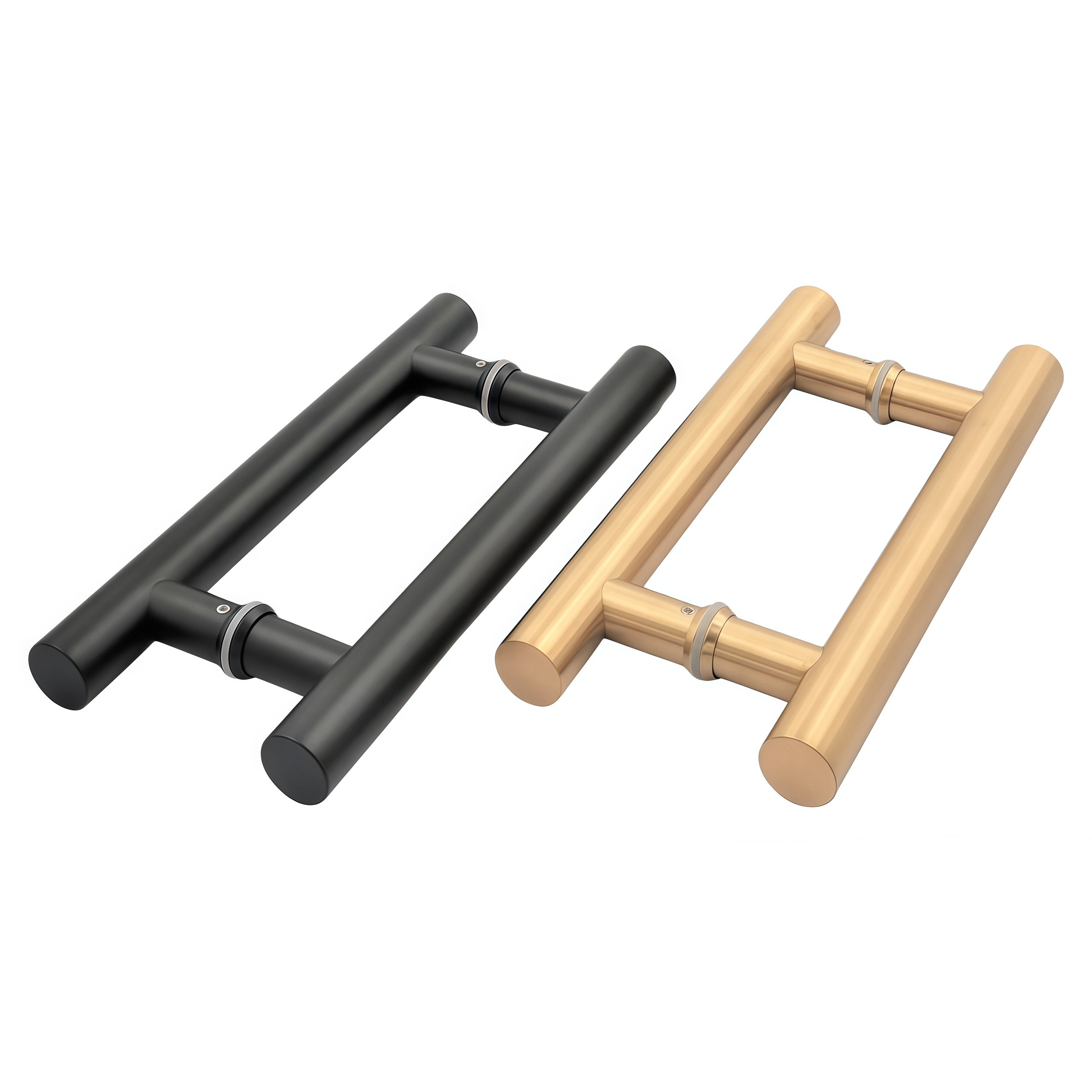
Stainless Steel is typically well-suited for hallways and passageways where a clean, crisp, understated, and elegant look is desired, and where it can blend naturally with doors made of various materials. Brass, on the other hand, is better suited for creating a warm texture, a vintage charm, or a more distinctive, high-end color statement. The “texture” referred to here does not depend solely on the material itself, but rather on the overall impression shaped by the material, its cross-section, its sense of weight, the surface finish, and the surrounding environment.
Stainless Steel is typically well-suited for hallways and passageways where a clean, crisp, understated, and elegant look is desired, and where it can blend naturally with doors made of various materials. Brass, on the other hand, is better suited for creating a warm texture, a vintage charm, or a more distinctive, high-end color statement. The “texture” referred to here does not depend solely on the material itself, but rather on the overall impression shaped by the material, its cross-section, its sense of weight, the surface finish, and the surrounding environment.
When selecting materials, it is also important to consider the door’s material and the maintenance requirements based on actual daily use. For example, the transparency of glass doors amplifies the contours of the door handle and the reflection of light, while dark-colored door panels enhance the contrast of a mirror-like finish. In high-traffic areas, it is also necessary to consider how often the door handle will need to be maintained and the likelihood of wear and tear, such as fingerprints. Therefore, when choosing different materials, one should not apply a one-size-fits-all approach but rather make decisions based on the specific needs of each project.
2. Surface Finish Influences Gloss, Tactile Feel, And The Requirements For Daily Cleaning
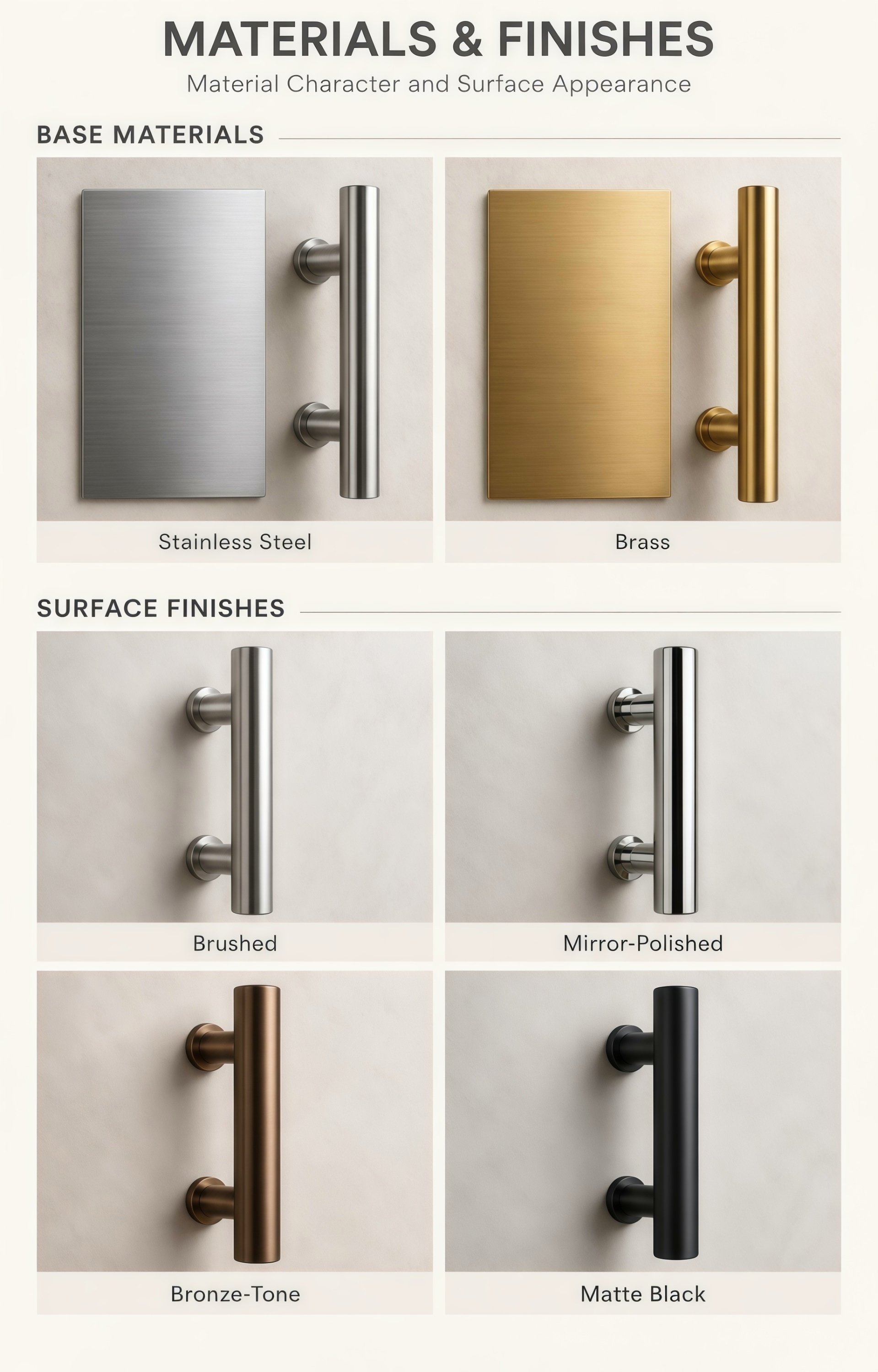
Brushed, mirror, black, bronze, rose gold, or other custom finishes can significantly alter how the front door appears in natural sunlight, indoor lighting, and outdoor reflections. A Matte-finish tends to look more understated and subdued, while a Mirror-finish is more eye-catching. Therefore, the same color can create different visual effects depending on the type of light it’s exposed to.
For information on selecting surface finishes and how they contribute to the overall aesthetic of high-end architectural hardware, please refer to Busrom “Surface Finish in Architectural Hardware”. However, the final result will depend on specific requirements, ambient lighting, and the actual door material.
3. Ensure That The Entire Set Of Architectural Door Hardware Is Consistent In Color, Finish, And Texture
The door handle should not only match the color of the door panel but also coordinate with the lock, door hinges, baseboards, signage, light fixtures, and adjacent metal hardware. If each component uses a different metal color or finish, the overall visual effect will appear cluttered and disjointed. However, if all components are the same, the design may lack depth. A safer approach is to first determine the primary finish and then select hardware that is compatible with it.
Ⅳ. Tactile Experience: The Moment You Grasp The Handle And The Sensation Begins
1. Ergonomic Design Does Not Mean A One-Size-Fits-All Approach
The comfort of a door handle is influenced by a combination of factors, including its cross-section, diameter, length, edge transitions, projection, installation height, the force required to open and close the door, and the size of the user’s hand. NIOSH Cylindrical Handle Diameter Study shows that grip performance is closely related to handle size and hand size. However, the study’s findings do not imply that all doors are suitable for the same handle size. In actual projects, we should design based on specific usage requirements and the overall environment, rather than blindly selecting a particular size as a standard.
Therefore, Ergonomic Design Should Focus On The Following Practical Details Of Use:
① Our hand can naturally reach out and grasp the handle.
② The edges of the handle won't dig into our hands or hurt them.
③ We don't need to twist our wrists excessively when opening and closing sliding doors.
④ Leave sufficient space between the handle and the door frame, the edge of the glass, and the adjacent wall.
According to the NIST Human-Centered Design Guidance, in actual design and manufacturing, we should start with real-world usage needs and environmental conditions to verify whether the handle is easy to grip, whether pushing and pulling feel natural, and whether there is sufficient operating space around it. For frequently used entrances, the actual effects of different sizes and installation locations can be tested using physical samples or on-site simulations, and the design can be adjusted based on the feedback.
2. Prioritize Practical Needs First, Then Consider Overall Aesthetics And Design Style
The U.S. Access Board’s “ADA Guidance for Entrances, Doors, and Gates” states that door handle hardware should be easy to operate with one hand and should not require a firm grip, pinching, or twisting. Specific installations must also comply with local accessibility regulations, fire safety requirements, and building codes. The WBDG’s Accessibility Compliance Guidance also emphasizes that the force required to open and close doors, the placement of hardware, and on-site inspections should be included in the overall usability assessment. In general, a good tactile experience isn’t about “feeling expensive”. It’s about ensuring that all users can open doors smoothly and pass through safely.
3. Visual Appearance And Actual Tactile Feel Should Be Consistent
When a door handle looks slim and lightweight but actually requires considerable force to open the door, the initial impression is contradicted by the actual experience. Similarly, when a door handle appears rough with a distinct texture but feels overly smooth to the touch, it can easily lead to a discrepancy between expectations and reality. Therefore, a good door handle should ensure that the impression conveyed by its appearance aligns with the actual user experience.
Ⅴ. Architectural Integration: Blending Handles Seamlessly Into Door Designs
1. First Define The Door Specifications, Then Define The Handle
Glass doors, wooden doors, aluminum doors, PVC doors, metal doors, and composite doors differ in terms of thickness, edges, load-bearing points, and mounting methods. The structure and dimensions of the door directly affect the handle installation method, the position of screws or through-bolts, the distance the handle protrudes outward, and the gap between the handle and the glass or door frame. The Architectural Hardware Applications Page on Busrom features a large number of project case studies that can serve as references for various practical applications. However, specific installation methods, accessory placements, and clearance requirements should be determined based on project drawings and actual on-site conditions.
2. A Form To Confirm The Dimensions, Mounting Method, And Maintenance Requirements
A Functional Door Handle Hardware Form - The Following Points Need To Be Confirmed:
The purpose of this is to ensure that the entrance door hardware maintains consistent specifications throughout all stages of the process, thereby preventing any conflicts between the design intent and installation requirements from arising during construction.
3. Identifying The Scope Using Practical Criteria
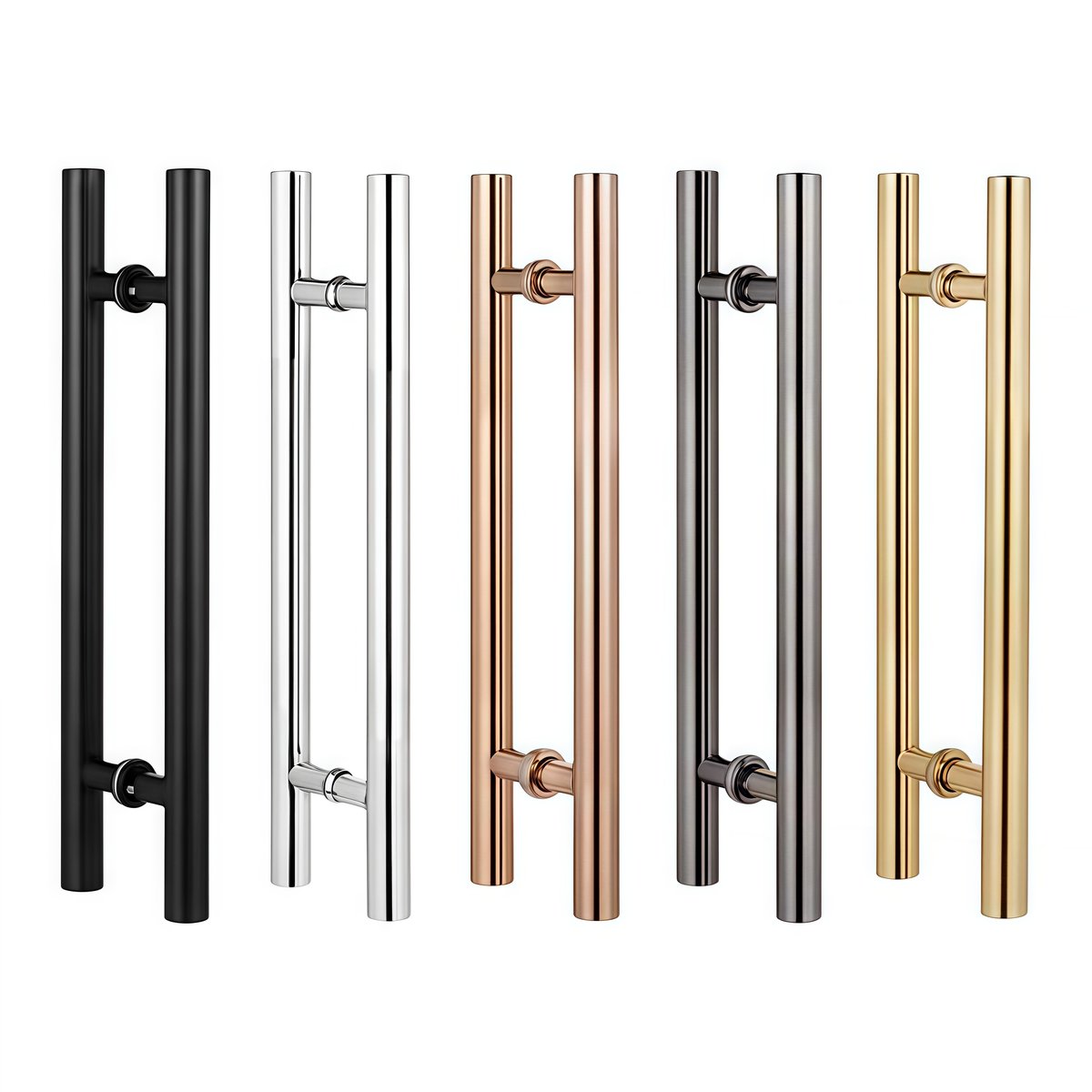
When selecting architectural door hardware, in addition to the door’s overall appearance, the materials of the hardware components, and the installation method, it is also necessary to understand the specific provisions of relevant codes and standards regarding product types, structural requirements, and performance testing.
For example, ANSI/BHMA A156.6 Standard For Architectural Door Trim can serve as a reference for understanding the requirements related to architectural door hardware, helping designers, procurement professionals, and project teams identify the technical details they need to consider when selecting products.
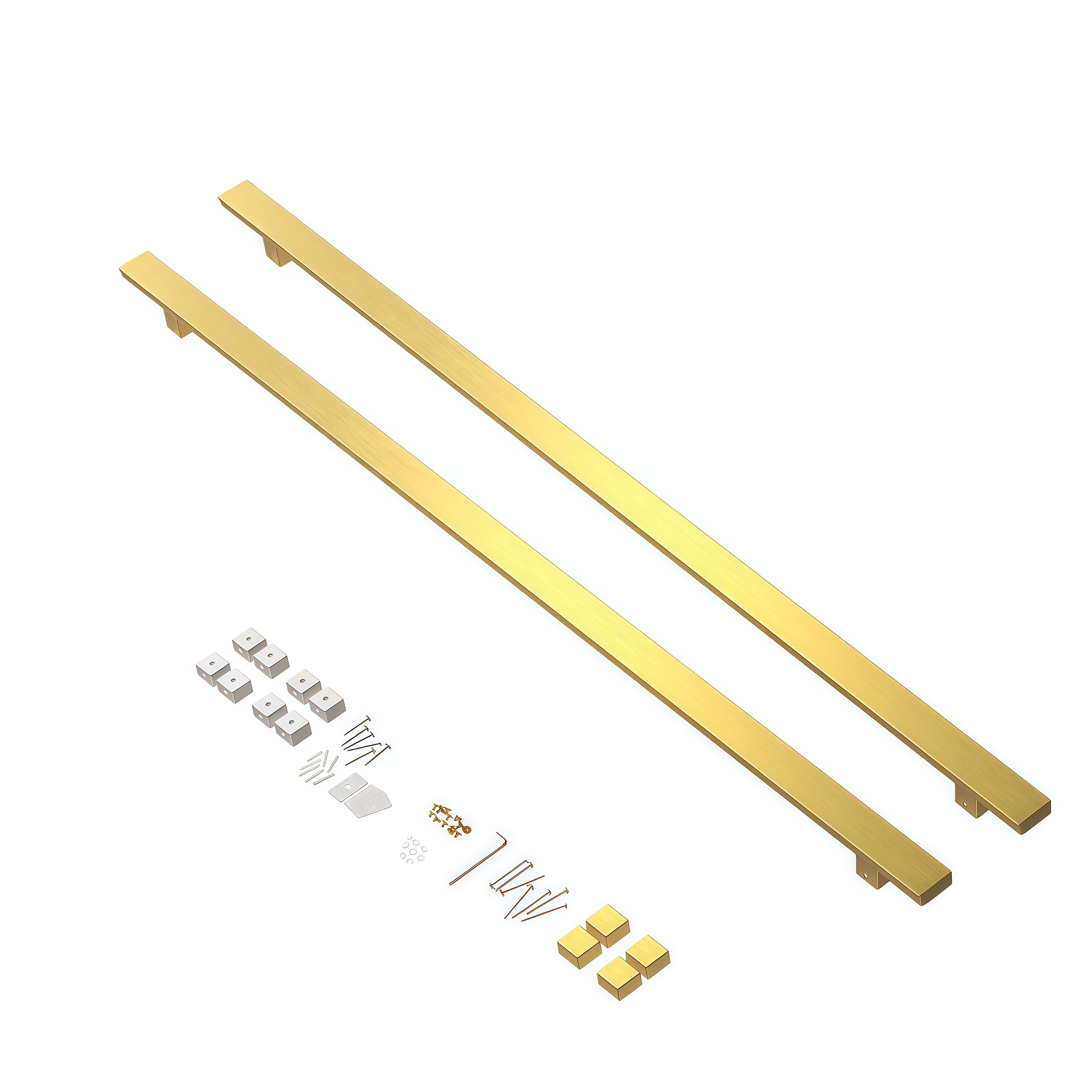
When selecting specific door handle models, the door structures, frequency of use, installation conditions, and acceptance requirements may vary across different projects. Therefore, suitability cannot be determined solely based on a product’s appearance or the name of a particular standard. The selection should also be confirmed by considering actual usage needs, product details, and the regulatory requirements of the target market to ensure that the selected door hardware meets the project’s actual operating conditions.
Ⅵ. Busrom's Door Handle Specifications And Customization Options
The Specific Configuration Of Door Handles Must Be Determined Based On The Door Structure, Installation Conditions, And Project Requirements:
When selecting a door handle, it is necessary to comprehensively consider the door’s load-bearing capacity and structural conditions, the mounting method, frequency of use, maintenance requirements, and the available installation space on-site.
Ⅶ. Summary: The Good Door Handle Is The Result Of The Harmony Between Various Details
The architectural door handle influences first impressions, not because it alone determines the quality of a space, but because it brings together and harmonizes design, material, finish, tactile experience, and architectural integration. These details collectively determine whether a door handle harmonizes with the door itself and its surroundings, as well as whether it is convenient and reliable in everyday use. For B2B projects, truly valuable architectural door handles should extend from conceptual design through specifications, prototyping, installation, and maintenance, helping teams transform what “looks right” into something that “works in practice”.
Ⅷ. Frequently Asked Questions(FAQ)
1. Q: What Factors Should Be Evaluated Before Specifying Entrance Door Handles For A Commercial Project?
A: When selecting door handles for commercial construction projects, one should not base the decision solely on appearance and price. It is also necessary to comprehensively evaluate the door’s material and thickness, the handle’s dimensions, the installation method, frequency of use, the space required for opening and closing, and applicable standards. For bulk purchase projects, it is essential to confirm technical requirements and review samples in advance to help minimize subsequent design changes, installation issues, and additional costs.
2. Q: How Can Project Teams Balance Architectural Design Requirements With Durability And Maintenance?
A: Entrance door handles must meet requirements related to architectural design, daily use, and maintenance. For example, while stainless steel and brass can offer different visual effects, the final selection must also take into account specific material grades, surface treatment processes, environmental conditions, cleaning methods, and the expected frequency of maintenance. For high-traffic areas such as hotels, office buildings, and retail spaces, it is also necessary to assess the long-term impact of fingerprints, surface wear, and routine cleaning on the appearance of the handles and to confirm relevant requirements before purchasing.
3. Q: What Technical Details Should Be Confirmed To Avoid Installation Problems With Door Handles?
A: Installation issues often stem from a failure to clearly define critical dimensions or mounting requirements before production. Therefore, before purchasing, you should confirm the door material, thickness, dimensions, and opening direction, as well as the handle length, pipe diameter or cross-section, center-to-center distance, projection, and mounting method.
4. Q: How Can We Maintain Consistent Appearance And Specifications Across Large Orders?
A: At Busrom, we clearly define product requirements prior to production (such as confirming the material grade, dimensions, mounting methods, surface treatment processes, color, gloss, and texture requirements), approve the final samples, and establish clear quality acceptance standards to ensure that the delivered products meet the customer’s expectations.
5. Q: What Information Should Purchaser Provide When Requesting Custom Entrance Door Handles?
A: Prior to placing an order, the purchaser must provide information such as “Door Specifications,” “Handle Requirements,” “Mounting Details,” “Material and Finish,” and “Project Requirements” to ensure that unconfirmed customization requests are not treated as production-ready specifications during the subsequent manufacturing process.